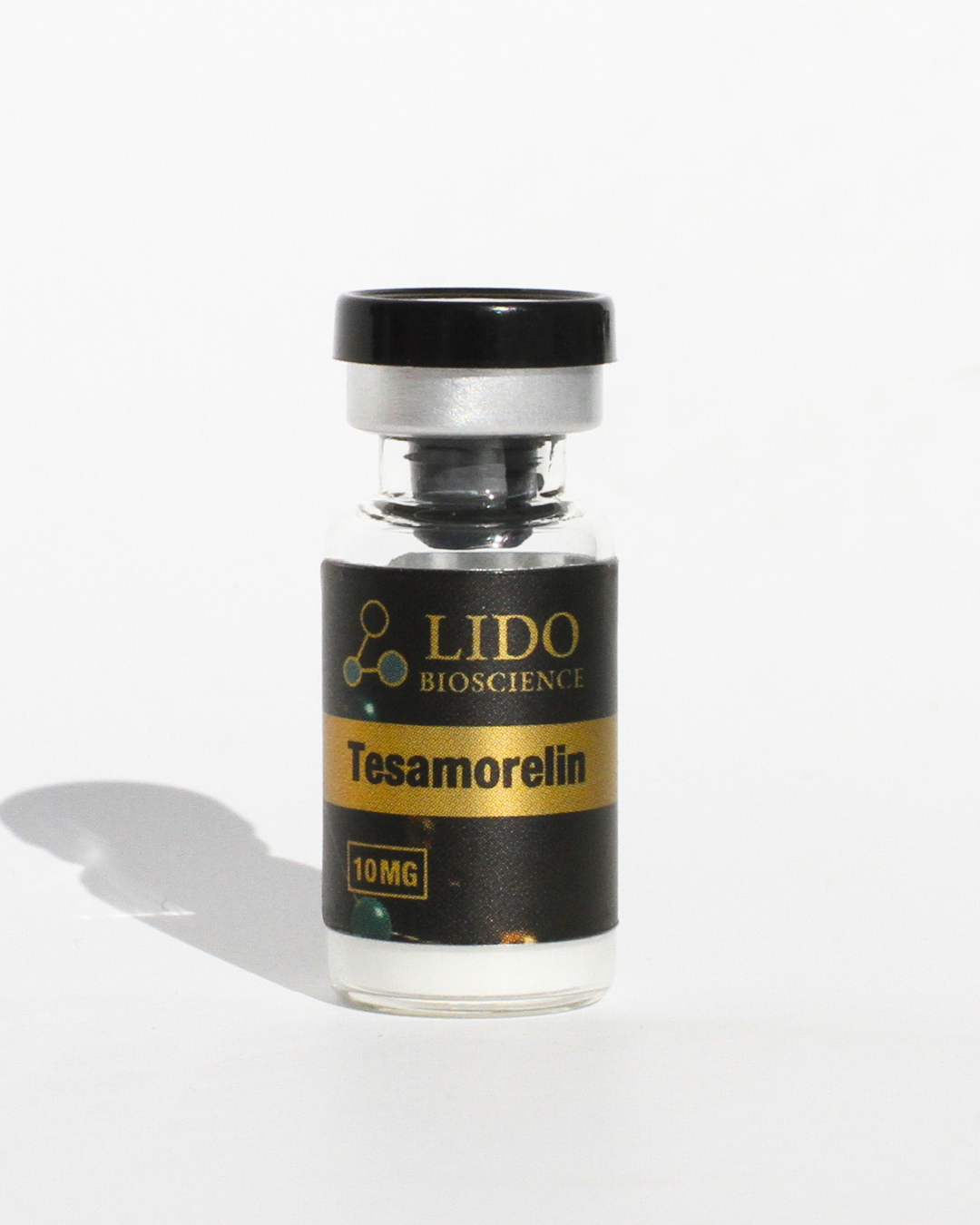
Tesamorelin, sometimes labeled TH9507, is a synthetic analog of growth-hormone-releasing hormone, or GHRH. The molecule was developed in the 2000s and received FDA approval in 2010 for a specific clinical indication, which makes it one of the few GHRH-axis peptides with a clean regulatory record.
This guide walks through the mechanism, the approved-indication research, and the broader literature on the molecule.
Structure and stability
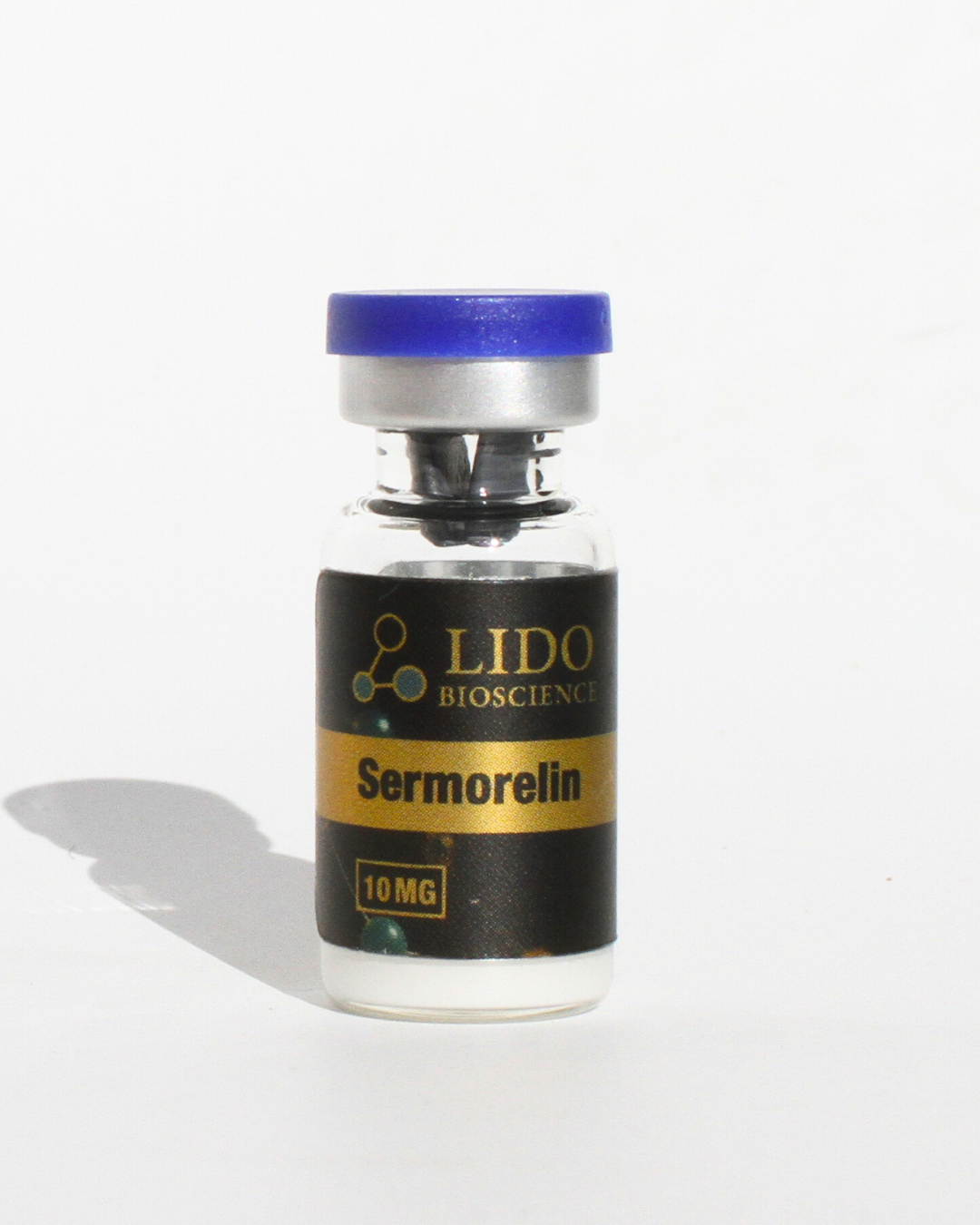
Native GHRH is a 44-amino-acid peptide produced by the hypothalamus. The tesamorelin molecule modifies the N-terminus of GHRH with a fatty-acid side chain that resists enzymatic degradation. The change extends the half-life and increases potency at the GHRH receptor relative to both native GHRH and sermorelin, which is the unmodified 1-29 fragment.
The stability change matters because GHRH is normally cleaved by DPP-4 within minutes of release. Tesamorelin resists DPP-4 cleavage, which means a single injection produces a sustained but pulsatile increase in growth hormone release rather than a brief spike.
Mechanism: amplifying the natural GH pulse
Tesamorelin works by binding to GHRH receptors on the anterior pituitary. The binding amplifies the natural pulsatile release of growth hormone rather than overriding it. This is different from administering growth hormone directly, which produces flat elevated levels and bypasses the feedback loops that normally regulate the axis.
The pulsatile rhythm is important because downstream signaling, particularly the conversion of growth hormone to IGF-1 in the liver, responds to pulses differently than to steady-state elevation. The literature treats this distinction as a real mechanistic difference, not a minor detail.
The visceral-fat literature
The FDA-approved indication for tesamorelin is reduction of excess abdominal fat in adults with HIV-associated lipodystrophy. The approval was based on two phase-3 trials showing roughly a 15 to 18 percent reduction in visceral adipose tissue over 26 weeks at the studied dose.
The mechanism by which a GHRH analog reduces visceral fat specifically appears to involve growth-hormone-driven lipolysis. Growth hormone signals adipocytes to release stored triglycerides, with visceral adipose tissue showing greater sensitivity to this signal than subcutaneous adipose tissue. The selectivity for visceral fat is part of why tesamorelin has been studied beyond its approved indication.
Beyond the approved indication
Researchers have published studies on tesamorelin in non-HIV contexts, particularly metabolic and aging research. Reported endpoints include reductions in visceral adipose tissue, modest reductions in liver fat, and effects on cognitive markers in aging populations.
The cognitive literature is interesting because growth hormone and IGF-1 both have signals in central-nervous-system function, and a GHRH analog that preserves the pulsatile rhythm appears to translate those signals more cleanly than direct growth-hormone administration. The Western mechanistic literature on this is still developing.
A note on framing and slug
On the Lido BioScience research catalog, tesamorelin is labeled with the slug th9507-10mg, which is the molecular research designation. The display name and the slug refer to the same compound.
Tesamorelin is sold as a research peptide in this context, not as an approved drug. Any clinical use should be guided by a physician.
Active cancer, pregnancy, and a history of pituitary disorders are contraindications across the GHRH-axis class.