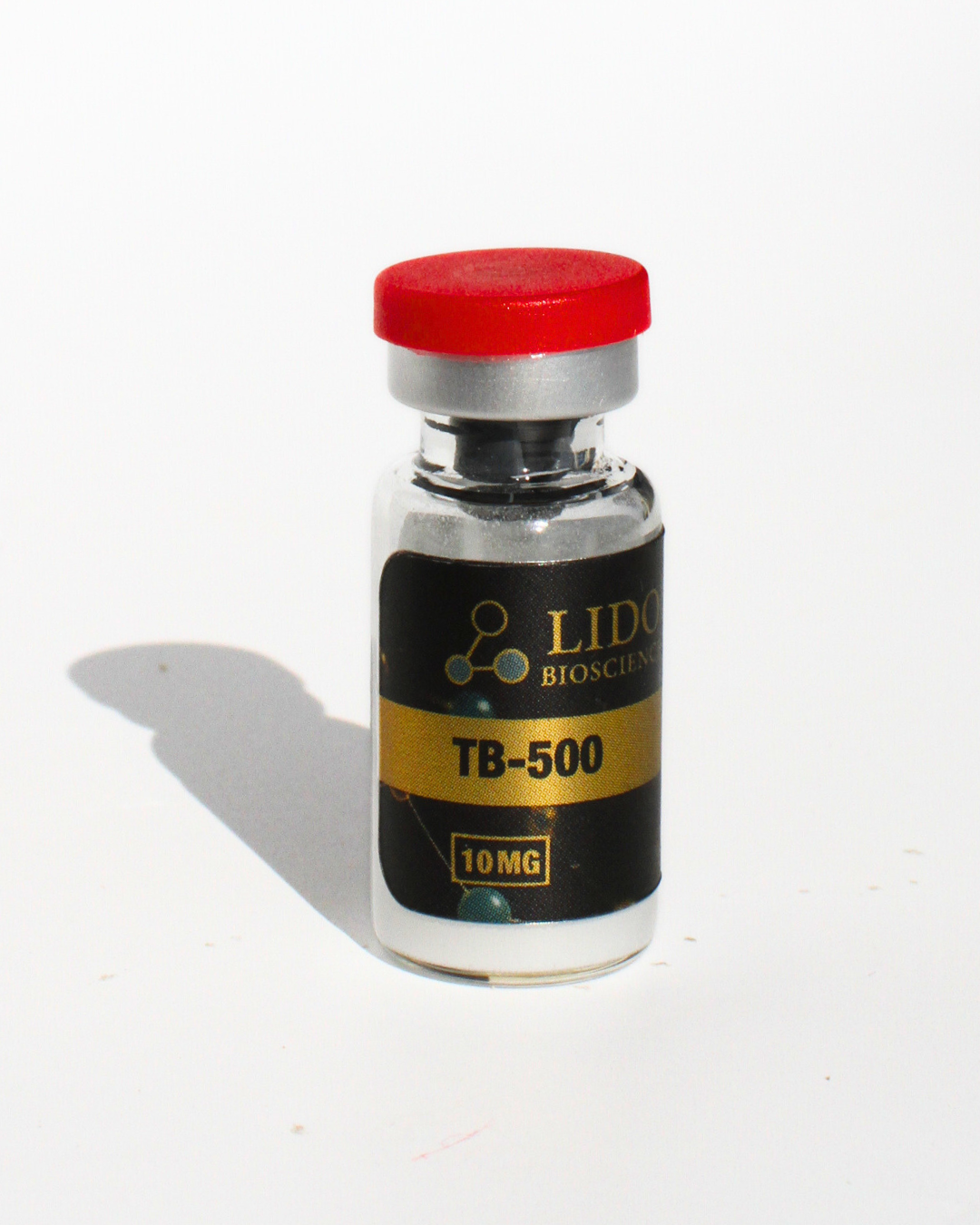
The surface of the eye is one of the most densely innervated tissues in the human body. Those corneal nerves do more than carry pain signals. They regulate tear production, support wound healing, and help maintain the transparent clarity that makes clear vision possible. When a serious bacterial infection damages the cornea, the nerves can be disrupted along with everything else, and their recovery is often slow and incomplete.
Researchers studying a peptide called thymosin beta-4, sometimes abbreviated as TB4, have already shown in earlier work that it can reduce the severity of bacterial corneal infections and support general wound repair when used alongside a standard antibiotic. A newer study published in Investigative Ophthalmology and Visual Science pushed that question further, asking whether thymosin beta-4 also supports the recovery of corneal nerves specifically, and whether that nerve recovery translates into measurable improvements in visual function.
The infection model
The research team used a well-established mouse model of bacterial keratitis, which is a corneal infection caused by the bacterium Pseudomonas aeruginosa. This particular pathogen is a common cause of severe corneal infections in humans, particularly in people who wear contact lenses or have sustained eye injuries.
Mice with small corneal wounds were inoculated with the bacterium, and treatment began 24 hours later. The four treatment groups were: a saline control, thymosin beta-4 alone, the antibiotic ciprofloxacin alone, and a combination of thymosin beta-4 plus ciprofloxacin. All treatments were applied as eye drops three times daily.
What the researchers measured
The study tracked several distinct outcomes to build a complete picture of recovery. Clinical disease severity was scored visually. Visual acuity, measured in cycles per degree, captured how sharply the mice could resolve fine patterns. Contrast sensitivity, expressed as a percentage, measured the ability to distinguish objects from their background, a function that can be impaired even when basic sharpness looks normal.
Corneal sensitivity was tested directly by touching the eye surface with fine filaments and recording the response threshold, which reflects how well the nerves are functioning. Finally, the researchers used a fluorescent labeling technique called beta-III tubulin immunofluorescence to physically visualize and count nerve fibers in corneal tissue samples, providing an objective measurement of nerve density and structural architecture.
Key findings from the combination group
The study found that the combination of thymosin beta-4 and ciprofloxacin produced markedly better outcomes than either treatment used alone. Mice in the combination group showed significant improvements in both visual acuity and contrast sensitivity compared to those receiving saline, thymosin beta-4 alone, or ciprofloxacin alone.
The combination group also showed notably better corneal sensitivity scores, meaning the nerves were functioning closer to normal. When researchers examined the tissue directly, they found that nerve density and nerve fiber architecture in the combination group had recovered to levels comparable to those seen in uninfected control animals. That is a striking result, because it suggests near-complete structural restoration rather than partial recovery.
By contrast, the monotherapy groups showed lesser degrees of improvement on these measures, confirming that the benefit was not simply due to the antibiotic clearing the infection, but reflected something additional contributed by thymosin beta-4.
Why corneal nerves matter for long-term outcomes
The authors make a point of emphasizing that corneal nerves and visual function have historically been underappreciated endpoints in research on corneal infections. Most evaluations focus on whether the infection is cleared and whether obvious scarring occurs. The nerve network and the quality of vision that depends on it are harder to measure and often left out of assessments.
This matters because even after an infection resolves, patients can be left with reduced corneal sensitivity, impaired tear reflexes, and subtle but persistent visual deficits. The published findings suggest that regenerative support for the nerves themselves, not just antimicrobial treatment of the infection, may be necessary to achieve full functional recovery.
What thymosin beta-4 does at the tissue level
Thymosin beta-4 is a naturally occurring peptide found throughout body tissues. The literature on it describes roles in actin regulation, cellular migration, and the modulation of inflammatory signals. In wound healing research more broadly, it has been studied for its ability to promote tissue remodeling and support the survival and growth of cells involved in repair.
In the context of this corneal study, the researchers propose that its ability to support nerve regeneration likely reflects these general tissue-protective and pro-regenerative properties. The peptide does not act as an antibiotic and showed limited effectiveness against the infection when used alone. Its value, the study suggests, lies in what happens after the antimicrobial work is done, helping the tissue and its neural architecture rebuild.
Scope and next steps
This research was conducted entirely in a mouse model, which is an important limitation to keep in mind. Mice and humans share many corneal biology features, but results in animal models do not always translate directly to human patients. The study also examined a single bacterial strain under controlled laboratory conditions, so the findings may not capture the full range of clinical scenarios.
The authors note that the results support further development of thymosin beta-4 based adjunctive strategies and call for clinical research to confirm whether the nerve regeneration and visual function benefits observed here can be reproduced in human trials. They also argue that nerve recovery and visual quality should be included as standard endpoints in future studies of corneal infection treatment, whether or not thymosin beta-4 is involved.