Opioid use disorder is one of the most persistent and deadly public health challenges of recent decades. Standard treatment, which typically involves medications like buprenorphine or methadone to stabilize patients and reduce cravings, helps many people but does not work for everyone. A meaningful portion of people receiving that medication-assisted treatment still use illicit opioids on top of it, and the field has long searched for additional tools.
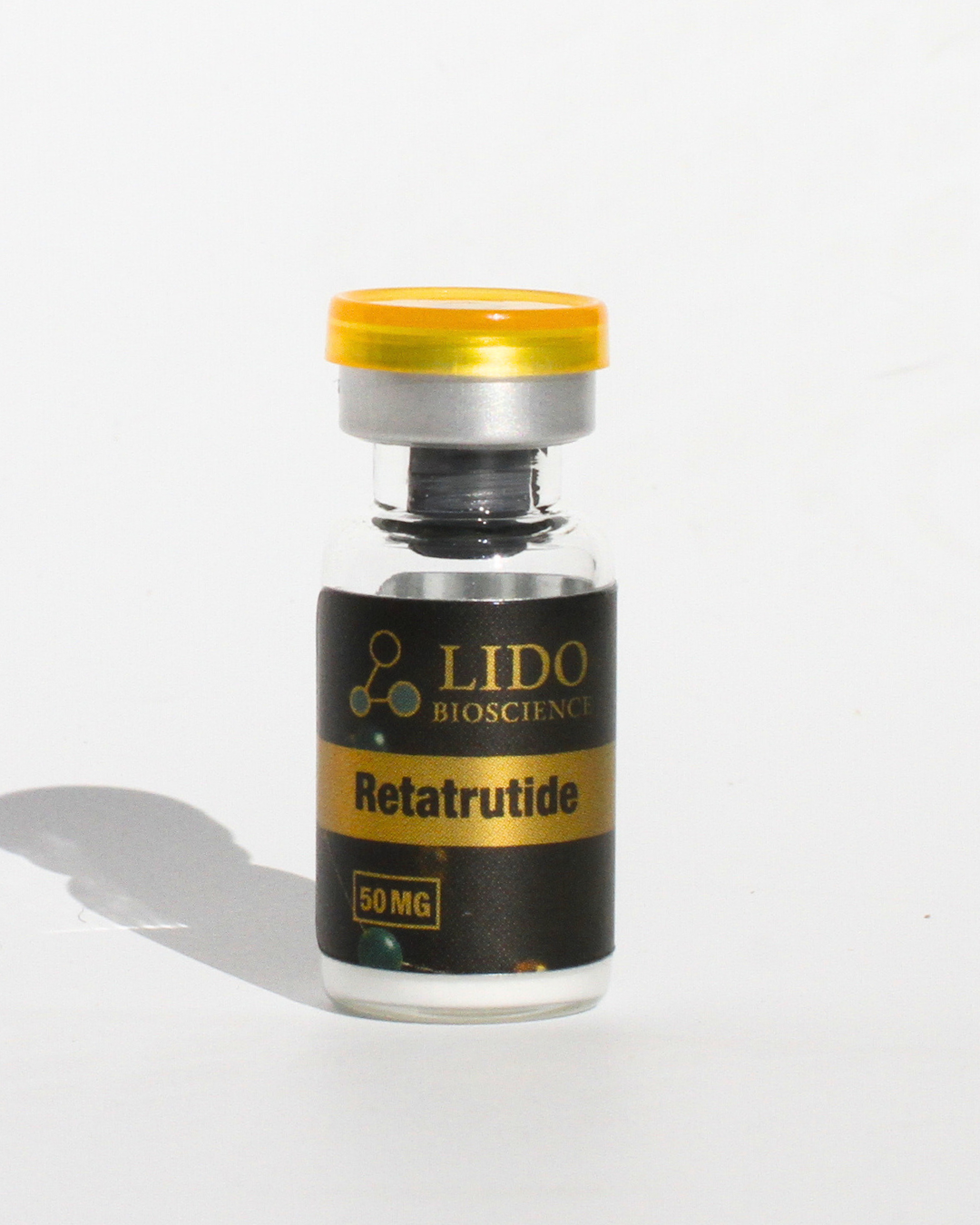
A currently recruiting clinical trial is exploring an unexpected candidate: a peptide that acts on glucagon-like peptide-1 receptors, a target best known for its role in appetite and blood sugar regulation. The trial record, listed under identifier NCT06548490, asks whether 12 weeks of weekly injections of this GLP-1 receptor agonist can reduce illicit opioid use in outpatient participants who are already on standard opioid use disorder medications.
The interest is not entirely surprising once you look at the basic science. GLP-1 receptors are found not just in the gut and pancreas but throughout the brain, including regions involved in reward processing and the reinforcing effects of addictive substances. Early animal research and observational data in humans began hinting that activating those receptors might dampen drug-seeking behavior, which is what pushed researchers toward designing a controlled human trial.
What the trial record says
The study is designed as a randomized, placebo-controlled trial. Participants are people in outpatient treatment for opioid use disorder who are already stabilized on either buprenorphine or methadone, the two most common medication-assisted treatment options. They are randomly assigned in a one-to-one ratio to receive either the active peptide or a matching placebo, injected under the skin once per week.
Randomization is stratified by study site and by which opioid use disorder medication the participant is taking. That stratification matters because buprenorphine and methadone work through different mechanisms, and researchers want to make sure the two groups are balanced so any effect seen can be attributed to the peptide rather than to differences in background treatment.
The primary observation window is 19 weeks in total, with 12 weeks of active treatment followed by a one-week washout and a final follow-up visit roughly four weeks after that. The main outcome the researchers are tracking is illicit opioid use across that period, measured through urine drug screening at each visit.
How the dosing works
The peptide is started at a low dose of 0.25 mg per week and advanced on what the protocol calls a fixed-flexible schedule. That means there is a predetermined escalation plan, but the speed of advancement can be adjusted based on how well each participant tolerates the drug. The target dose is 1.0 mg per week, though participants who cannot reach that level due to side effects are maintained at their maximum tolerated dose.
This kind of gradual titration is standard practice for GLP-1 receptor agonists. The most common side effects in prior research on these peptides are gastrointestinal, including nausea and reduced appetite, and slow escalation tends to reduce their severity. By allowing some flexibility, the protocol aims to keep participants in the trial even if they cannot reach the highest planned dose.
After the 12-week treatment period ends, there is a deliberate one-week washout before the final follow-up. That gap gives researchers a chance to observe whether any behavioral changes persist after the peptide is discontinued, or whether opioid use patterns shift back toward baseline.
What researchers are measuring
Urine drug screening is the primary measurement tool, giving an objective biological marker of opioid use at each visit. But the trial record describes a broader data collection effort. At every study visit, participants complete questionnaires about mental health and drug use patterns, and they receive smartphone surveys at set intervals between visits to capture near-real-time self-reported information.
Blood samples are collected at two points: the screening visit at the start and at week 14, just after the treatment period ends. A physical exam and full medical history are completed at baseline. Vital signs are taken at every visit, giving a running picture of cardiovascular and general health across the study duration.
Together, these measurements are designed to capture not just whether illicit opioid use changes, but also whether mental health indicators, cravings, and general wellbeing shift over the course of treatment. That richer dataset would help researchers understand the scope and nature of any effect they detect.
The biological rationale behind the hypothesis
To understand why researchers think a GLP-1 peptide might influence opioid use behavior, it helps to know a little about where GLP-1 receptors are expressed in the brain. They appear in several structures associated with the mesolimbic dopamine system, the network that underlies reward, motivation, and the reinforcing properties of drugs of abuse.
Animal studies have shown that activating GLP-1 receptors can reduce self-administration of alcohol, nicotine, cocaine, and opioids. The hypothesis is that the receptor acts as a kind of brake on reward signaling, reducing the drive to seek out a substance. If that mechanism translates to humans, it could complement the way buprenorphine and methadone work, which primarily address physical dependence and withdrawal rather than reward-driven craving.
The literature suggests this is genuinely uncertain territory. Observational data from large healthcare databases have shown associations between GLP-1 receptor agonist use and lower rates of opioid-related events, but observational data cannot establish causation. A randomized controlled trial with placebo control, as described in this registry entry, is the appropriate next step to test the hypothesis rigorously.
Context within addiction medicine research
This trial sits within a broader wave of research interest in GLP-1 receptor agonists as potential treatments for substance use disorders beyond their established metabolic applications. Separate research efforts are examining these peptides in the context of alcohol use disorder and tobacco dependence, and the opioid-focused work described here adds to that picture.
The trial design is careful about one important reality: participants are not being asked to stop their existing opioid use disorder medication. The question is whether adding a GLP-1 receptor agonist on top of standard care produces a measurable additional reduction in illicit use. That framing respects the established evidence base for buprenorphine and methadone while leaving room for a new intervention to demonstrate incremental value.
It is worth noting that this is still a recruiting trial, meaning no results are yet available. The trial record describes the design and rationale, not outcomes. Whether the hypothesis holds up in human participants under controlled conditions remains an open question, and the answer will only come once the study completes and data are analyzed.
What this means for peptide research broadly
The GLP-1 receptor system is increasingly recognized as one of the more versatile biological targets in modern peptide pharmacology. Research published over the past decade has expanded our understanding of where these receptors are found and what happens when they are activated, moving well beyond the original metabolic framing.
Trials like this one illustrate how basic science observations about receptor distribution in the brain can eventually generate testable clinical hypotheses. The path from noticing GLP-1 receptors in reward-related brain regions, to animal models of drug self-administration, to a human randomized controlled trial, represents the kind of iterative research process that characterizes careful peptide science.
The outcome of this trial, whenever it becomes available, will contribute to the evidence base on whether GLP-1 receptor agonist peptides have a meaningful role in addiction medicine. It will also provide human safety and tolerability data in a population that has not previously been a focus of GLP-1 research, which could inform future study designs regardless of whether the primary hypothesis is confirmed.