Carrying excess weight is not simply a cosmetic concern. A large body of research links overweight and obesity to type 2 diabetes, coronary heart disease, stroke, and an overall rise in mortality risk. Because lifestyle changes alone often produce modest or short-lived results, pharmacologic treatments have attracted intense scientific attention over the last decade.
A living systematic review published in the Annals of Internal Medicine pooled data from 69 randomized controlled trials involving more than 112,000 adults to evaluate a range of pharmacologic treatments for weight management. The term 'living' means the review is designed to be updated as new trials emerge, making it one of the most comprehensive and current comparisons of its kind.
The treatments examined included several peptide-based compounds: semaglutide, tirzepatide, retatrutide, semaglutide combined with cagrilintide, dulaglutide, exenatide, liraglutide, and lixisenatide, alongside non-peptide options such as naltrexone-bupropion, orforglipron, phentermine, and phentermine combined with topiramate. Researchers measured outcomes ranging from raw weight loss and quality of life to mortality, major cardiovascular events, and rates of treatment discontinuation.
Study design and scope
The review drew on two major research databases, searching records through October 2025. Eligible studies were randomized controlled trials, considered the gold standard for testing whether a treatment works. All enrolled adults with a body mass index of 25 kg per square meter or higher, which places them in the overweight or obese range.
Of the 69 included studies, 37 were judged to be at low risk of bias, meaning their methodology was strong enough that their results are less likely to be distorted by design flaws. A single reviewer extracted the data and rated certainty of evidence, while a second reviewer independently verified every entry, adding a layer of quality control.
Because relatively few trials compared different active treatments directly against each other, the researchers also used a statistical technique called network meta-analysis. This approach allows indirect comparisons, so even if trial A tested drug X against placebo and trial B tested drug Y against placebo, the network can estimate how X and Y might compare with each other.
Weight loss findings across treatments
The headline finding was clear: nearly every pharmacologic treatment studied outperformed placebo or lifestyle intervention alone for reducing body weight. This held true in both direct pairwise comparisons and the broader network analysis.
Among all treatments evaluated, semaglutide and tirzepatide produced the greatest weight loss relative to placebo or lifestyle intervention. Tirzepatide is a dual-receptor agonist that acts on two hormonal pathways simultaneously, while semaglutide targets a single receptor involved in appetite and glucose regulation. The review consistently placed these two compounds at the top of the efficacy rankings.
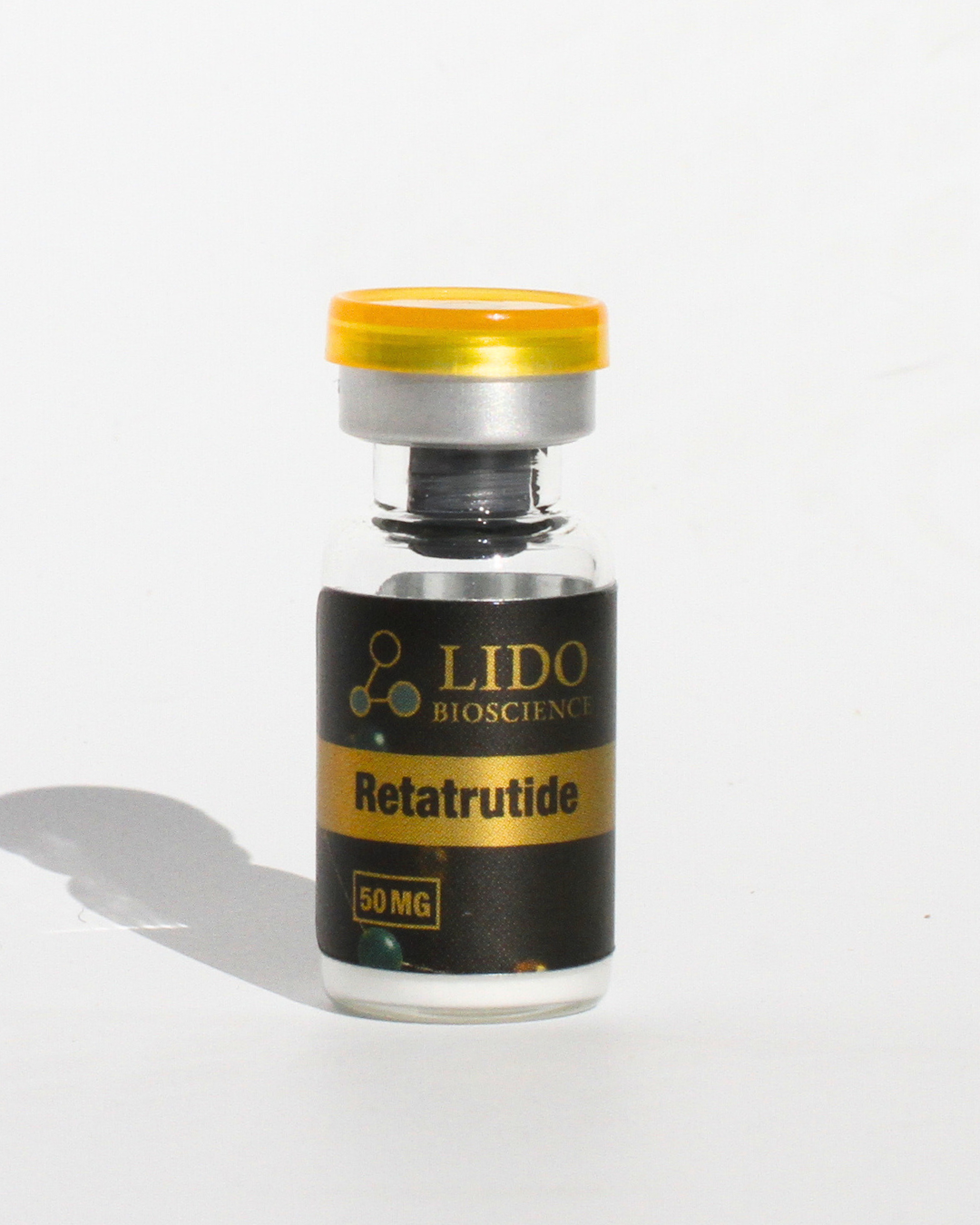
Retatrutide, a triple-receptor agonist that targets three separate hormonal pathways, was also included in the network. Early data from the trials captured in this review suggest retatrutide may represent a meaningful step forward, though the authors noted that evidence for outcomes beyond weight reduction, such as mortality and serious adverse events, remained limited for newer compounds like this one.
The semaglutide and cagrilintide combination was another treatment of interest. By pairing semaglutide with cagrilintide, a synthetic analogue of the hormone amylin, researchers are testing whether hitting both pathways produces additive effects on weight reduction. The review included this combination, though head-to-head data comparing it directly to single-agent options were described as limited.
Cardiovascular and mortality outcomes
Weight loss on its own is not the only outcome researchers care about. Reductions in cardiovascular events and mortality are arguably more important signals of long-term benefit. The review addressed these endpoints, though with notable caveats about certainty.
Semaglutide was the standout finding here. The review concluded that semaglutide probably reduced mortality and major adverse cardiovascular events, a category that typically includes heart attack, stroke, and cardiovascular death. The word 'probably' reflects the certainty rating assigned by the reviewers, meaning the evidence is reasonably strong but not definitive.
For most other treatments, the evidence on mortality and major cardiovascular events was described as limited. This is partly a function of study design: trials designed to measure weight loss may not run long enough or include enough participants to detect differences in rarer events like heart attacks or deaths. The authors were careful not to overstate what the data could support.
Safety profile and discontinuations
Greater efficacy rarely comes without trade-offs, and this review was no exception. Across nearly all pharmacologic treatments, researchers observed more discontinuations due to adverse events compared with placebo or lifestyle intervention alone.
The most commonly reported adverse events in trials of peptide-based treatments are gastrointestinal in nature, including nausea, vomiting, and diarrhea. These symptoms are generally dose-dependent and tend to be most prominent when doses are being escalated. Because the review pooled data across many trials, it could detect these patterns at scale rather than relying on any single study's safety report.
The review did not identify a single treatment that was both the most effective and the best-tolerated. This trade-off between efficacy and adverse events is a recurring theme in the pharmacology literature and underscores why researchers continue to investigate novel compounds and combination strategies.
Gaps in the evidence
The reviewers were transparent about what the current evidence base cannot answer. Direct head-to-head comparisons between different active treatments were limited. Most trials compared a single active agent against placebo, which means the network comparisons, while informative, carry more uncertainty than direct data would.
Evidence for serious adverse events was also described as limited across the board. This reflects a broader challenge in the field: large, long-duration safety studies are expensive and time-consuming, and many of the newer compounds have not yet accumulated the kind of long-term follow-up that would fully characterize their risk profiles.
The living review format is designed to address this limitation over time. As new trial data are published and incorporated, the certainty ratings and comparative rankings may shift. Compounds like retatrutide and the semaglutide-cagrilintide combination are areas where the evidence base is expected to grow substantially in the coming years.
What researchers concluded
The systematic review reached several conclusions that the authors described as applicable to pharmacologic weight management in adults with overweight or obesity. Nearly all studied interventions were more effective than placebo or lifestyle intervention in reducing body weight, but all were also associated with higher rates of treatment discontinuation due to adverse events.
Semaglutide and tirzepatide showed the most favorable results across the range of outcomes measured, including weight loss and, for semaglutide specifically, probable reductions in mortality and cardiovascular events. For most other treatments, including the newer compounds, the evidence on outcomes beyond weight loss was judged to be limited.
The review was conducted under the auspices of the American College of Physicians and registered in the PROSPERO international database of systematic reviews. For researchers studying peptide-based approaches to metabolic health, it provides one of the most rigorous comparative frameworks available as of late 2025.