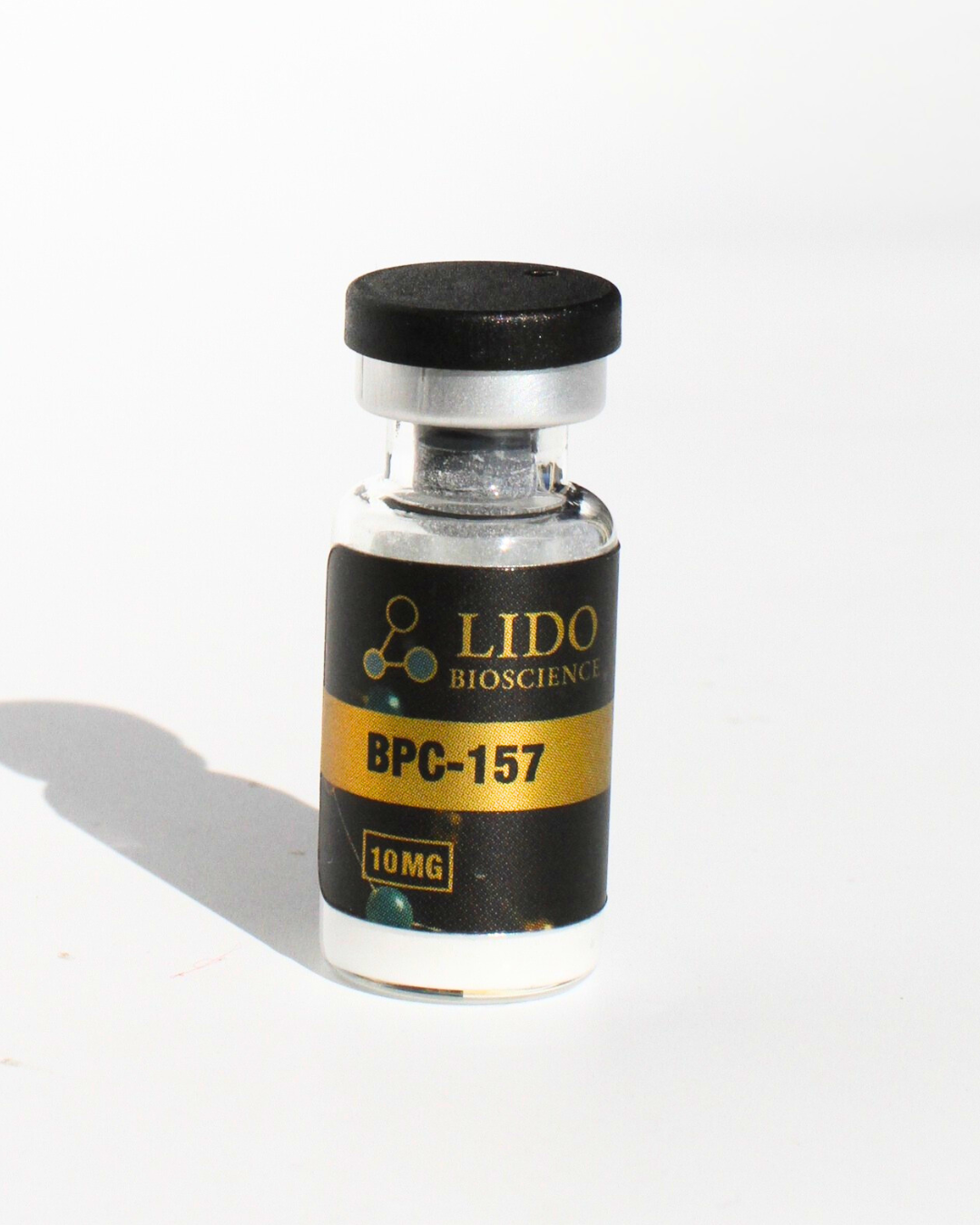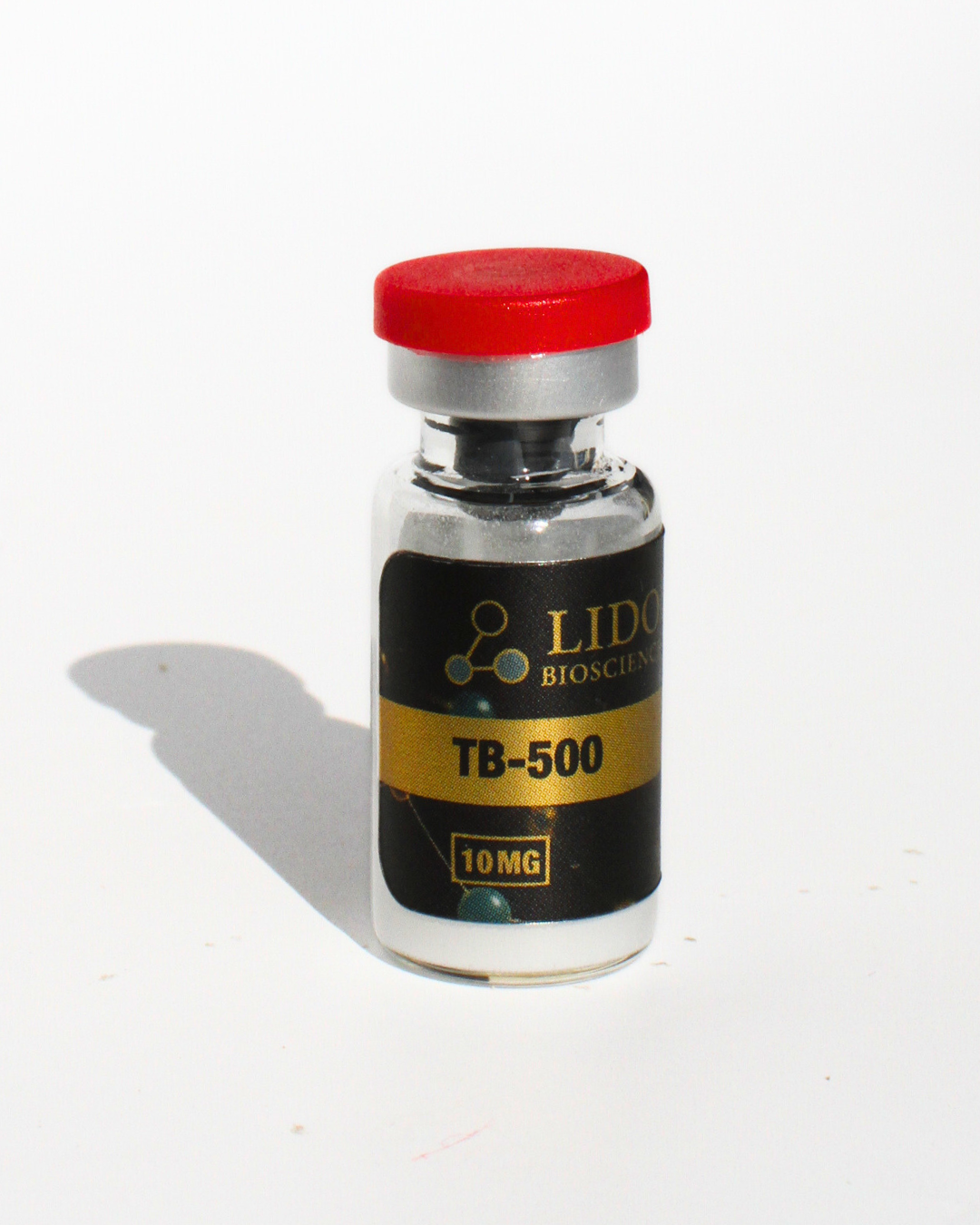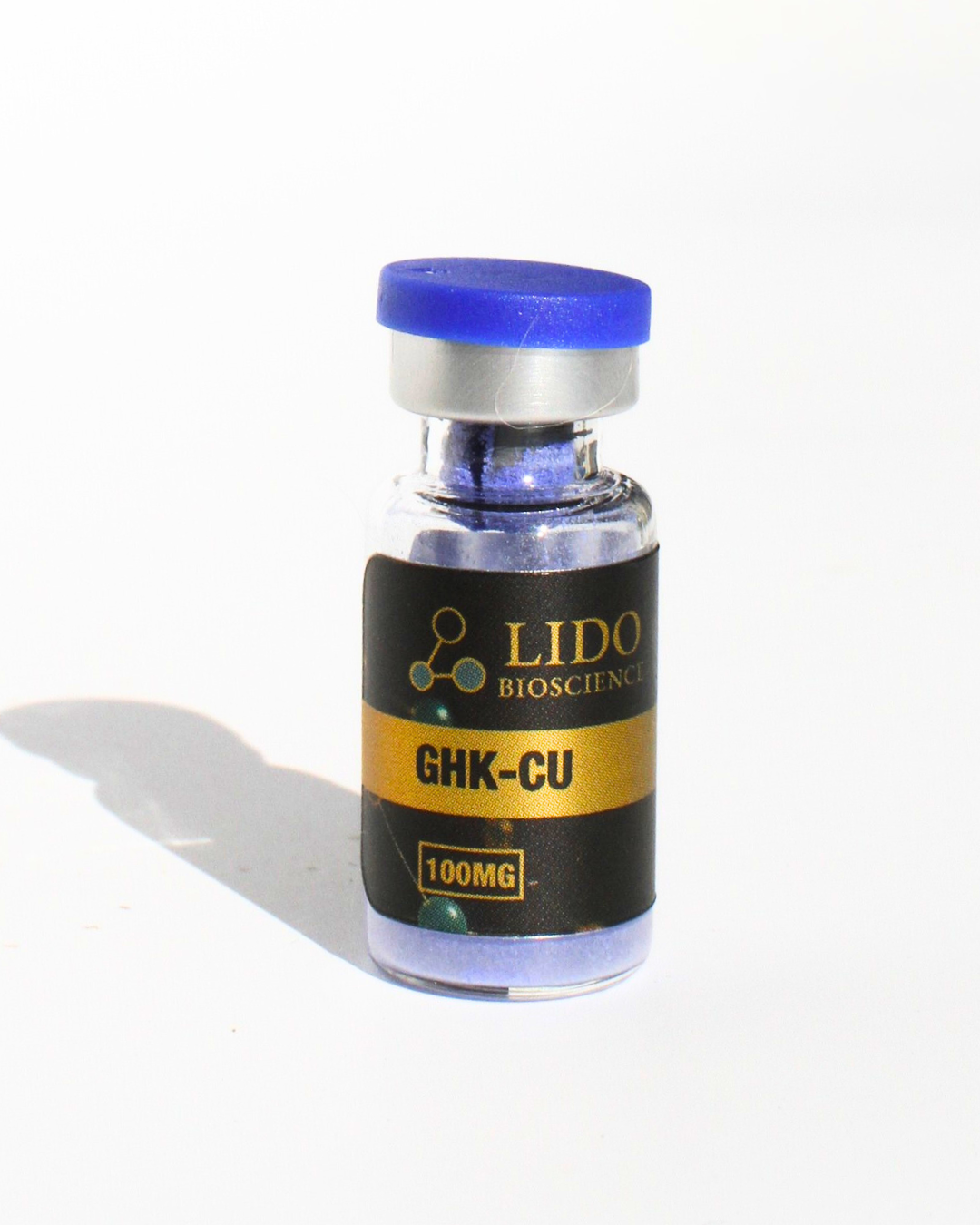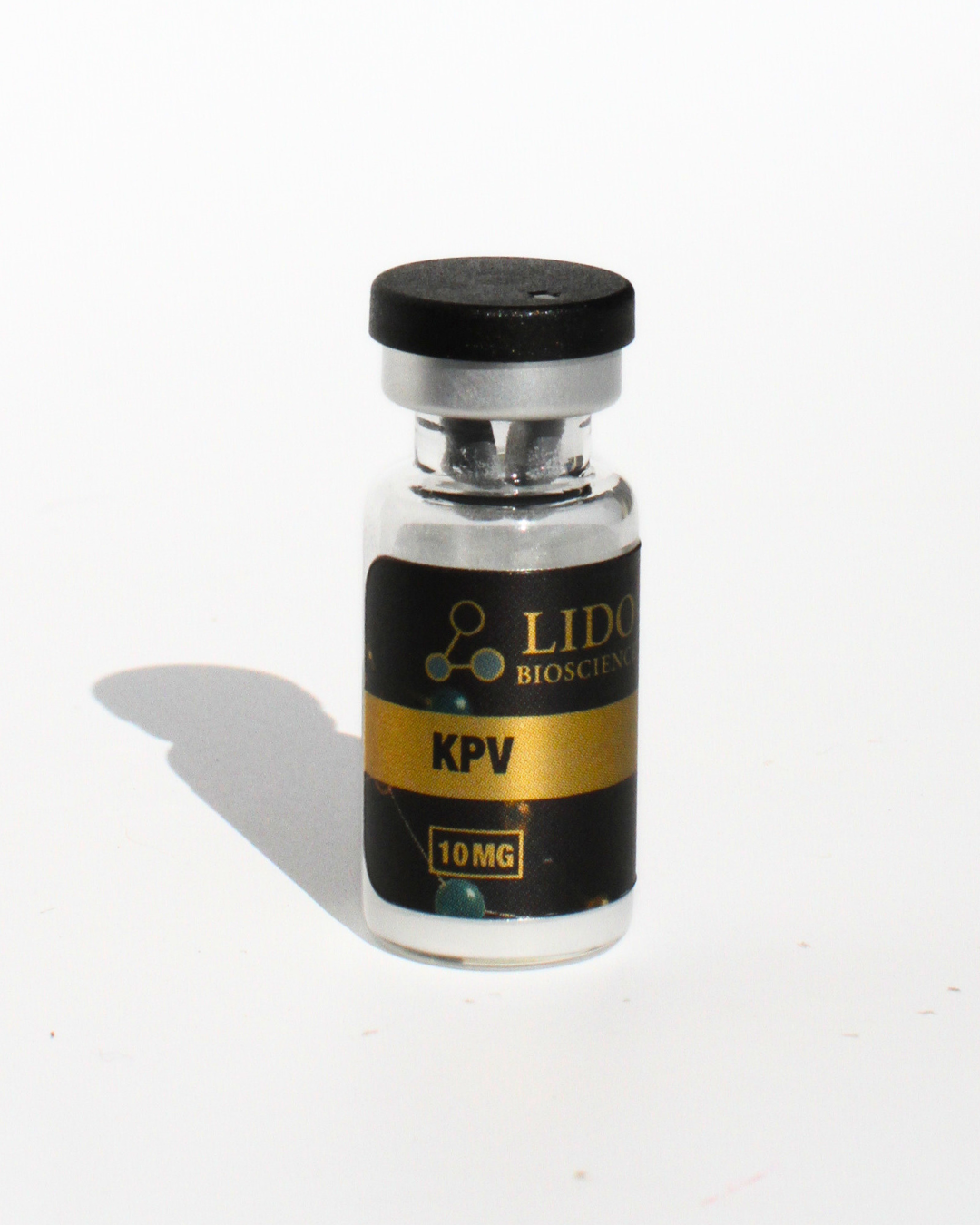
Recovery and repair research peptides fall into a handful of well-studied molecules that target different stages of tissue healing. BPC-157 supports vascular response and growth-factor signaling at the injury site. TB-500 supports cell migration into the damaged area. GHK-Cu supports collagen synthesis and remodels the wound bed. KPV calms inflammation, particularly in mucosal tissue.
Each molecule has its own mechanism, but the research literature increasingly looks at combinations, because tissue repair is a multi-stage process and the molecules cover different stages.
BPC-157: vascular response and growth-factor signaling
BPC-157 is a 15-amino-acid peptide derived from a longer protein, body protection compound, that was originally isolated from human gastric juice. Animal-model studies suggest it upregulates VEGFR2 expression at injury sites, which drives blood-vessel formation, and modulates the nitric-oxide system in ways that fit the observed vascular effects.
Importantly, BPC-157 appears to amplify the repair signal where there is an injury rather than initiating signaling in healthy tissue. The peptide is most-cited in tendon and ligament injury models, gastrointestinal ulcer and inflammatory bowel models, and traumatic brain injury models in rodents. A dedicated guide to BPC-157 lives in the /learn library.
TB-500: cell migration and actin binding
TB-500 is a synthetic version of an active fragment of thymosin beta-4, a 43-amino-acid peptide present in most mammalian tissues. The mechanism is built around actin binding. Actin is the protein scaffold cells use to move, and the thymosin beta-4 family sequesters and releases actin in ways that support cell migration into damaged tissue.
In animal models, TB-500 dosing accelerates wound closure, supports tendon repair, and shows signals in cardiac tissue recovery. The mechanism is distinct from BPC-157, which is why the two are often studied together: BPC-157 supports the vascular and growth-factor side of repair, TB-500 supports the cell-migration side.
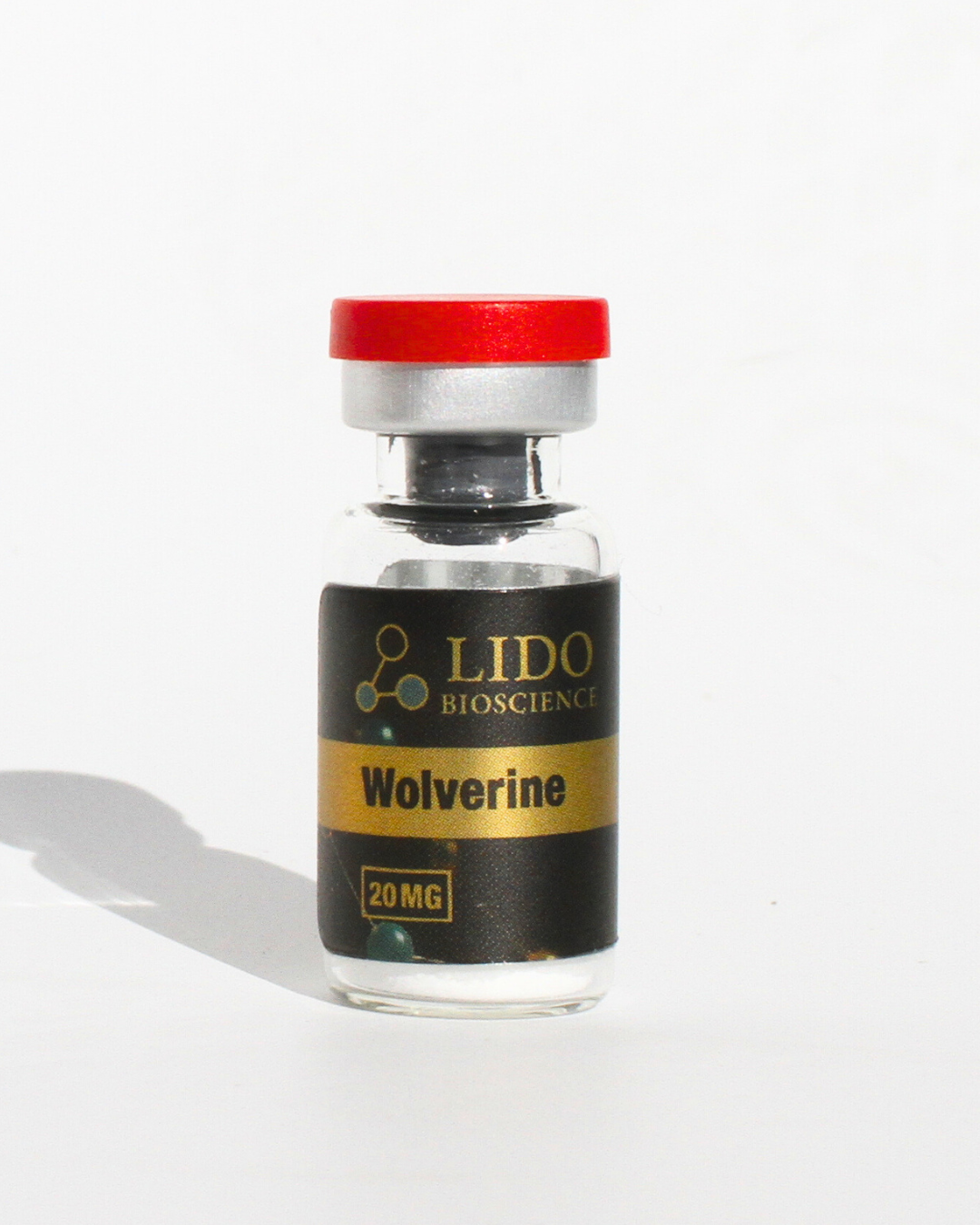
The Lido BioScience catalog lists TB-500 as a standalone compound and combines it with BPC-157 in the Wolverine blend.
GHK-Cu: copper-binding and collagen synthesis
GHK-Cu is a tripeptide consisting of glycine, histidine, and lysine bound to a copper ion. The molecule was originally identified in human plasma in the 1970s and has been studied in wound healing, hair-follicle research, and skin-aging contexts.
The mechanism involves copper transport. Copper is a cofactor for several enzymes involved in collagen synthesis, including lysyl oxidase, which crosslinks collagen and elastin fibers. GHK-Cu delivers copper to tissues in a form that the enzymes can use, which appears to support both new collagen production and the remodeling of existing scar tissue.
GHK-Cu has the longest research history of any peptide in this family. Animal-model studies span four decades, with reasonably consistent findings across wound-healing and tissue-remodeling endpoints.
KPV: anti-inflammatory, especially in mucosal tissue
KPV is a tripeptide consisting of lysine, proline, and valine. It is the C-terminal fragment of alpha-melanocyte-stimulating hormone, or alpha-MSH, which has a long history of immune and inflammatory research.
The mechanism appears to involve direct interaction with NF-kappa-B signaling, which is one of the master regulators of inflammatory gene expression. Animal-model studies most often look at gut tissue and skin, where mucosal inflammation drives many disease processes. KPV has shown signals in inflammatory bowel models, dermatitis models, and viral inflammation models.
Researchers studying gut barrier function often combine KPV with BPC-157, since the two cover different parts of the inflammatory and reparative response.
Why blends exist
Tissue repair is multi-stage. The acute inflammatory phase, the proliferative phase, and the remodeling phase each involve different cell populations and signaling molecules. A single peptide can only target part of this process well.
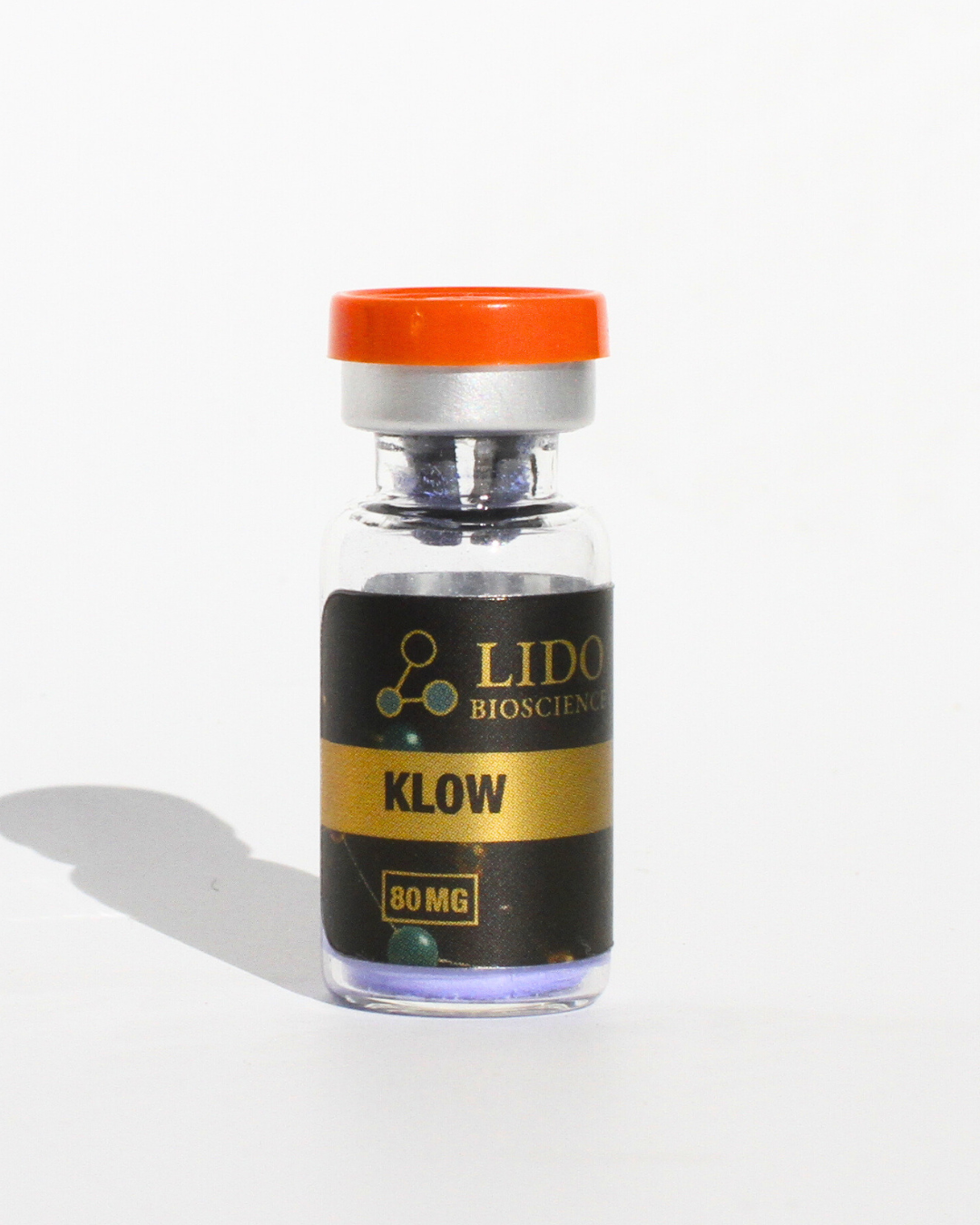
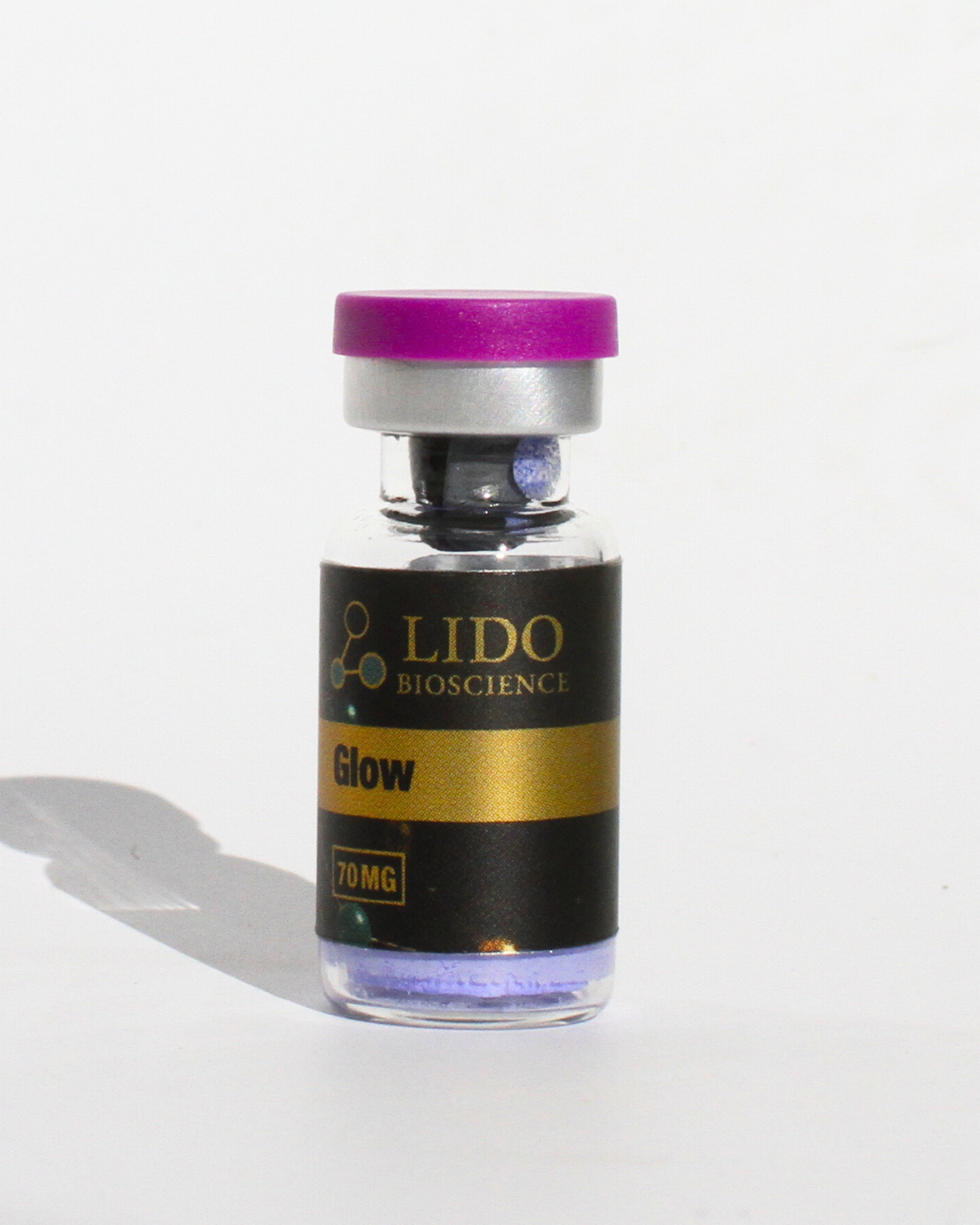
The Lido BioScience catalog includes three combination products that reflect this logic. KLOW combines GHK-Cu, TB-500, BPC-157, and KPV in an 80mg vial as a four-peptide blend covering all four mechanisms above. Glow combines GHK-Cu, TB-500, and BPC-157 without the KPV component. Wolverine combines BPC-157 and TB-500 as a focused two-peptide research blend.
A note on framing
Every compound in this article is sold by Lido BioScience as a research peptide, not as an approved therapeutic. The published research described here is from animal models and limited human case series, not from large controlled trials.
If you are evaluating any of these molecules for a clinical use, a physician should weigh in. Connective-tissue injury responds to a lot of variables, and a research-grade peptide is one piece of a much larger picture.