Most people associate glaucoma treatment with eye drops that lower pressure inside the eye. Lowering that pressure slows the disease, but it does not stop it entirely. Retinal ganglion cells, the nerve cells that carry visual signals from the eye to the brain, continue to die in many patients even when eye pressure is well controlled. That observation has pushed researchers toward a different question: can the nerve cells themselves be protected, regardless of what the pressure is doing?
A review published in Drug Design, Development and Therapy surveys the current landscape of neuroprotective strategies for glaucoma. The authors describe which biological targets look most promising, which clinical programs are underway, and what measurement tools the field is developing to tell whether a treatment is actually working. The picture that emerges is one of cautious optimism, shaped by at least one high-profile failure and a wave of more sophisticated attempts to learn from it.
Why pressure-independent targets matter
Intraocular pressure is a risk factor, not the whole story. Research has long shown that some people develop glaucoma without elevated pressure, and others sustain nerve damage even after pressure is normalized. This disconnect pointed investigators toward the biology happening inside the retinal ganglion cells and along the pathways that support them.
The review describes three categories of damage that preclinical work has consistently implicated. First, glutamate excitotoxicity: when retinal cells are stressed, they release too much of the signaling chemical glutamate, which overactivates neighboring cells and triggers a cascade of harm. Second, neurotrophic factor deprivation: retinal ganglion cells depend on proteins called neurotrophic factors to survive, and glaucoma disrupts the supply of those proteins. Third, mitochondrial dysfunction: the energy-generating machinery inside nerve cells begins to fail, leaving cells unable to sustain their basic functions.
Each of these targets has inspired at least one drug candidate. Understanding them helps explain why the field has moved well beyond simple pressure-lowering and why so many different therapeutic approaches are being tested in parallel.
The NAD connection and nicotinamide
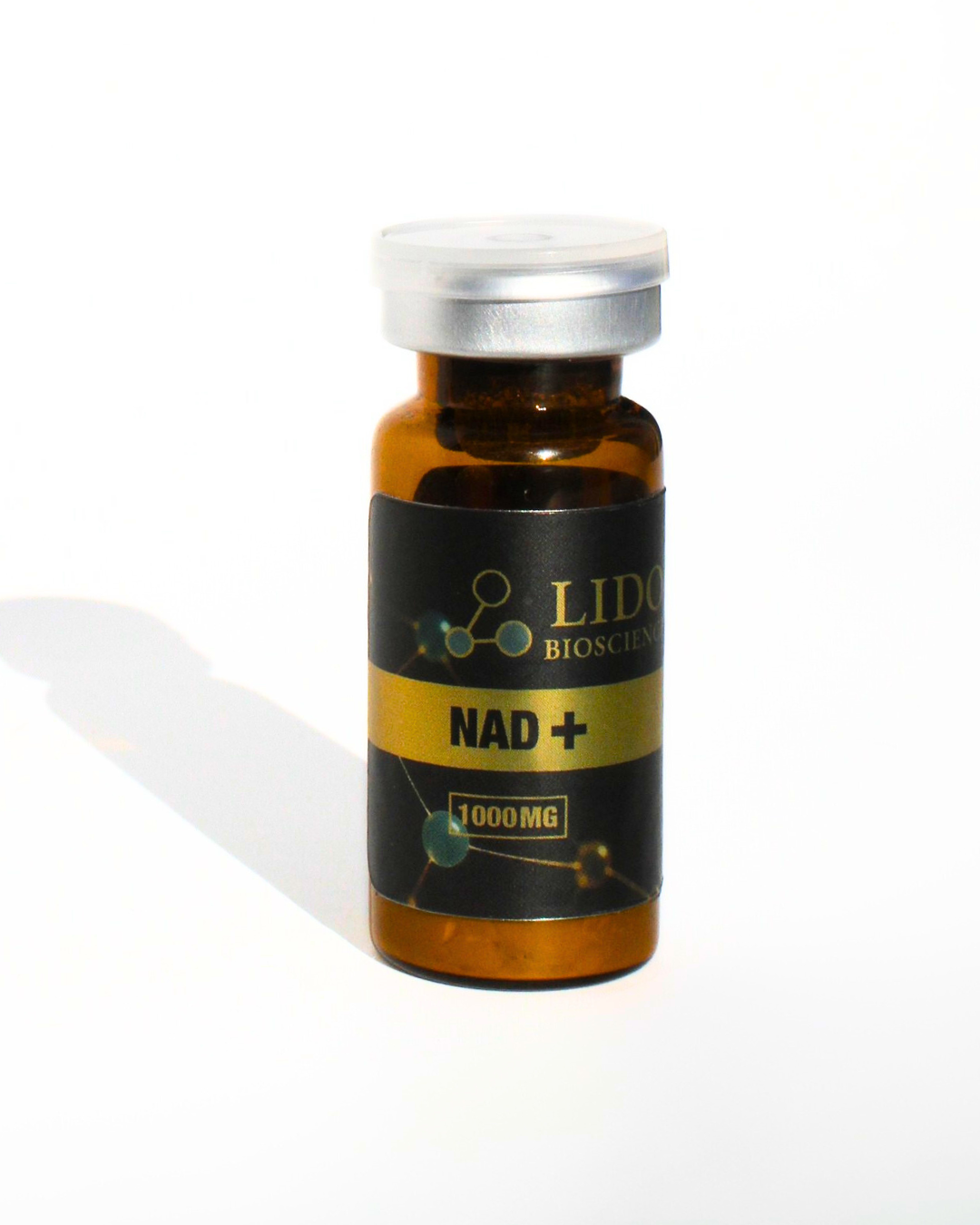
Among the candidates the review highlights, nicotinamide stands out as the one with the most direct preclinical support. Nicotinamide is a form of vitamin B3 that the body uses to produce NAD, a molecule involved in cellular energy production and repair. The review notes that nicotinamide can robustly protect retinal ganglion cells by supporting NAD levels and the overall energy balance inside those cells.
The logic follows from the mitochondrial dysfunction finding. If glaucomatous stress drains energy from retinal nerve cells, then restoring the raw materials for energy production could help those cells survive. Early clinical work on nicotinamide in glaucoma patients has been promising enough that it is now considered a leading candidate among all the strategies the review surveys.
This line of research connects to broader scientific interest in NAD biology, which has grown substantially over the past decade. Researchers studying aging, neurodegeneration, and metabolic disease have all found that NAD availability declines under stress and that supporting it tends to have measurable effects on cell function. Glaucoma researchers appear to be drawing on that larger body of work.
Metabolic repurposing and other clinical programs
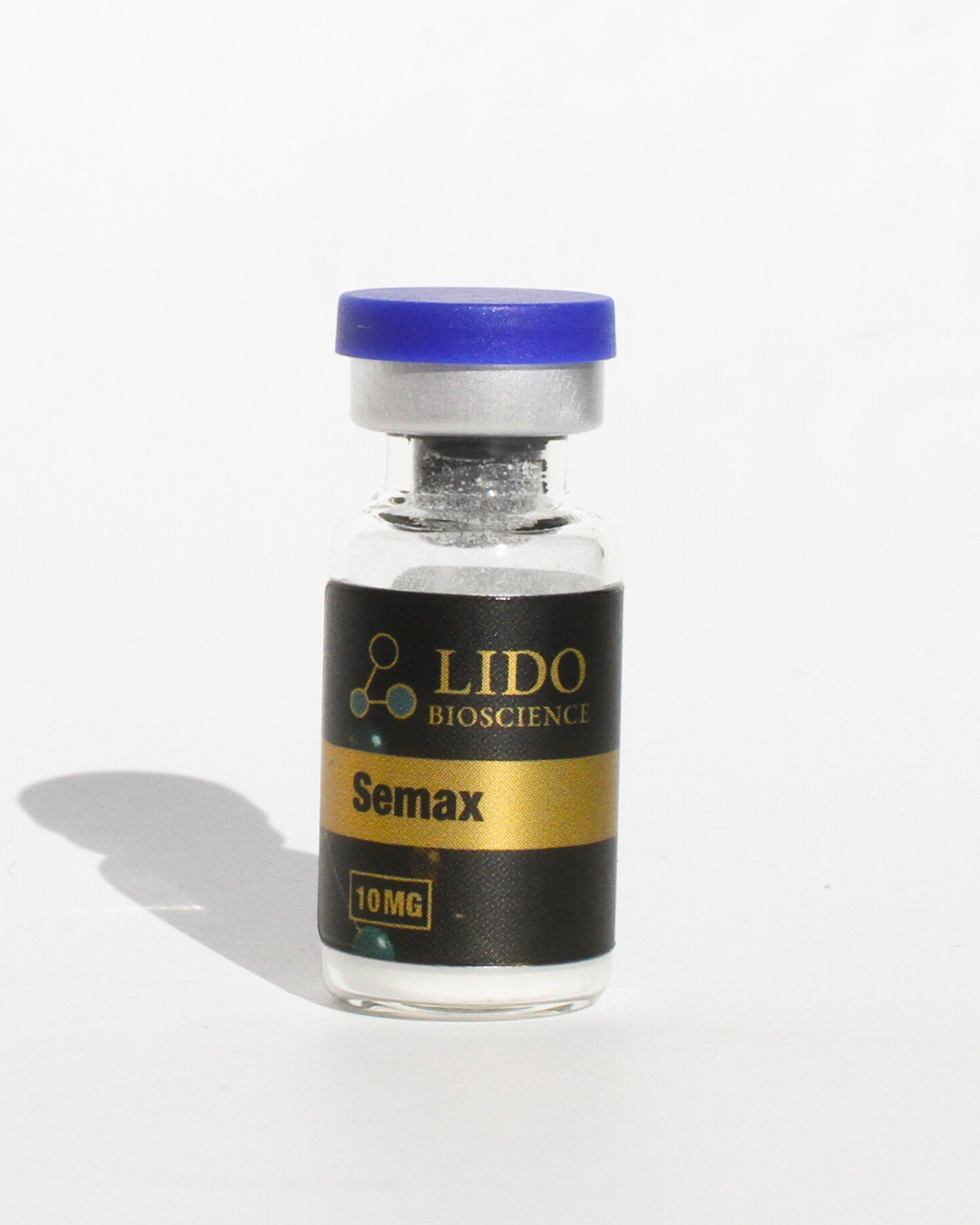
The review also describes what it calls metabolic repurposing, the idea of testing drugs already approved for other conditions to see whether they protect retinal nerve cells. Two examples the authors mention are metformin, a widely used compound in metabolic research, and semaglutide, a peptide originally studied for blood sugar regulation. Both have shown signals in preclinical or early clinical work that suggest they might influence retinal ganglion cell survival, though the review treats these as emerging rather than established strategies.
Neurotrophic factor delivery is another active area. Because glaucoma disrupts the supply of survival-promoting proteins to retinal ganglion cells, some researchers are exploring ways to deliver those proteins directly. The review mentions a sustained-delivery implant designed to release ciliary neurotrophic factor into the eye over time, removing the need for repeated injections and keeping levels more consistent than any topical approach could achieve.
A compound called citicoline, which the review classifies as a functional enhancer, is also in clinical testing. Citicoline is a molecule involved in cell membrane production and has been studied in other neurological contexts for some time. Researchers are examining whether it can support visual function by acting on the neural pathways connecting the eye to the brain.
The measurement problem
One reason the field has not already produced a validated neuroprotective therapy is the difficulty of measuring whether a treatment is working. Standard visual field tests detect only fairly large changes in vision, and those changes often lag behind the underlying nerve cell loss by years. A treatment could be slowing that loss substantially without producing any signal detectable by routine testing, at least not within a reasonable trial window.
The review describes a phase 3 trial of memantine, a drug targeting glutamate excitotoxicity, as a cautionary example. That trial failed, and the authors suggest the failure was at least partly a problem of trial design and endpoint sensitivity rather than proof that the underlying target was wrong. If the measurement tools cannot detect a real effect, a genuinely useful treatment can look like it does nothing.
This has made endpoint development a research priority in its own right. The review describes a technique called photopic negative response assessment, which measures electrical signals from the retina and appears to detect changes earlier and more precisely than conventional visual field tests. Researchers are also studying biomarkers found in the fluid inside the eye, including markers of retinal cell death and a protein called neurofilament light chain that appears in higher concentrations when nerve tissue is damaged.
AI tools and precision medicine frameworks
The review notes that artificial intelligence is beginning to influence how trials are designed and how endpoints are selected. A graph attention neural network, one example the authors cite, is a type of AI model that can analyze complex patterns across many variables at once. Researchers are exploring whether such models can identify which endpoints will be most sensitive for a given trial population, reducing the chance that a real treatment effect gets missed.
Precision medicine approaches are also entering the picture. Polygenic risk scores, which aggregate the effects of many genetic variants to estimate overall disease risk, could help researchers identify patients most likely to benefit from a particular neuroprotective strategy. Multi-omics analysis, which combines data from genes, proteins, and metabolites simultaneously, may reveal subgroups of glaucoma patients whose disease is driven by different biological mechanisms and who would therefore respond differently to different treatments.
Together, these tools represent an attempt to close what the review calls the translational gap, the distance between promising preclinical findings and confirmed human benefit. The authors suggest that integrating better endpoints, smarter trial designs, and more precise patient selection could give the next generation of candidates a better chance of producing clear results.
Where the research stands
The review is careful to frame everything as a work in progress. No neuroprotective treatment for glaucoma has yet received regulatory approval based on evidence of nerve cell protection. The candidates described are either in preclinical stages or in clinical trials that have not yet reached definitive conclusions. The authors describe the field as being at an inflection point, a moment when the combination of better biological targets, improved measurement tools, and more sophisticated trial designs could finally yield the first validated neuroprotective therapy.
For researchers and scientifically curious readers, the review offers a useful map of where the energy is concentrated. NAD biology and nicotinamide occupy a prominent position. Metabolic repurposing with peptides and small molecules is expanding. Sustained delivery of neurotrophic factors is in active development. And the measurement science needed to evaluate all of these approaches is catching up to the biology.
The literature suggests that the next several years will be a critical period for this field, with multiple trials running in parallel and new analytical tools that may finally be sensitive enough to detect the effects researchers have long suspected are there.