Inside nearly every cell in the body, tiny structures called mitochondria generate the energy that keeps us alive. For decades, scientists thought of mitochondria as simple power plants. More recently, researchers have discovered that mitochondria also release small signaling molecules, called mitochondrial-derived peptides, that appear to influence metabolism and immune activity across the whole body.
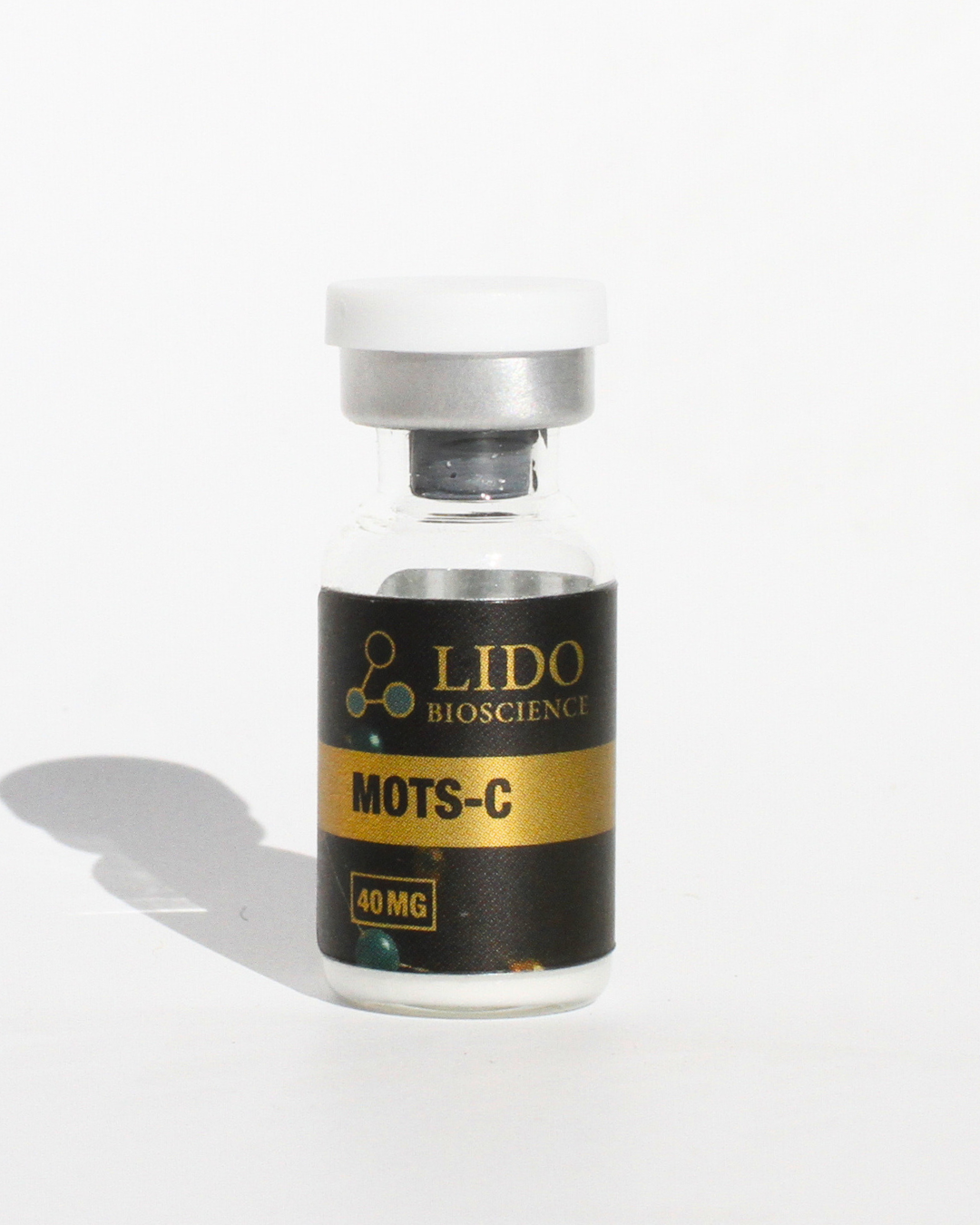
One of those peptides is MOTS-c, short for mitochondrial open reading frame of the 12S rRNA type-C. A study published in Experimental Physiology by Mills and colleagues investigated what happens when MOTS-c is given to rats with a laboratory model of type 2 diabetes. The researchers were specifically interested in whether MOTS-c could reduce a form of cellular inflammation centered in the heart, and what that might mean for understanding diabetic heart disease.
The problem the researchers set out to study
Type 2 diabetes is well known for raising blood sugar, but its effects reach far beyond glucose. Chronic low-grade inflammation is a defining feature of the condition, and that inflammation does not stay confined to one organ. Over time, persistent inflammatory signaling can damage the heart muscle itself, a condition researchers call diabetic cardiomyopathy.
At the center of this inflammatory process is a molecular machine called the NLRP3 inflammasome. Think of it as a cellular alarm system. When the NLRP3 inflammasome detects stress signals, it assembles into an active complex that triggers the release of powerful pro-inflammatory proteins, including interleukin-1 beta and interleukin-18. In diabetes, this alarm system can become stuck in the on position, generating a slow, persistent fire inside tissues including the heart.
The research team wanted to know whether MOTS-c could turn that alarm system down.
Study design and the rat model
To create a working model of type 2 diabetes, the researchers fed rats a high-fat diet and then gave them a chemical called streptozotocin, which selectively damages insulin-producing cells in the pancreas. This combination reliably produces elevated blood glucose, insulin resistance, and the kind of chronic inflammation seen in human type 2 diabetes.
Once the diabetic model was established, a group of these rats received MOTS-c treatment. The team then compared a range of biological measurements between treated and untreated diabetic animals, looking at both what was circulating in the blood and what was happening structurally inside the left ventricle of the heart, which is the chamber that pumps blood to the rest of the body.
What the blood markers showed
The researchers found that MOTS-c treatment significantly reduced fasting blood glucose in the treated rats compared with untreated diabetic controls. This matters because chronic high blood glucose is itself a driver of inflammasome activation.
Beyond glucose, the team measured circulating C-reactive protein, a standard marker of systemic inflammation that rises when the body is under sustained inflammatory stress. MOTS-c treatment was associated with meaningfully lower C-reactive protein levels.
The researchers also tracked several inflammatory signaling proteins called cytokines. Interleukin-10, which is generally considered an anti-inflammatory cytokine that helps restrain immune responses, and interleukin-1 beta, a pro-inflammatory cytokine that is one of the primary outputs of NLRP3 inflammasome activation, were both selectively modulated by MOTS-c treatment. The pattern suggested that MOTS-c was not simply suppressing all immune activity indiscriminately, but appeared to be shifting the balance toward a less inflammatory state.
Changes inside the heart tissue
Looking directly at tissue from the left ventricle using a microscopy technique called immunohistochemistry, the research team found reduced levels of several proteins that are hallmarks of active NLRP3 inflammasome signaling.
Specifically, they measured lower amounts of NLRP3 itself, a scaffold protein called ASC that is required for the inflammasome complex to assemble, and a cleavage product of caspase-1, which is the enzyme that actually carries out the inflammatory cascade once the inflammasome is active. Finding lower levels of all three components in the same tissue sample provided converging evidence that MOTS-c was interfering with inflammasome activity at the site of cardiac tissue, not just in the general circulation.
This is a meaningful distinction. Systemic blood markers tell researchers that something is changing body-wide, but tissue-level analysis shows that the heart muscle itself was experiencing reduced inflammatory signaling.
Links between inflammation and metabolic markers
The research team also ran correlation analyses to look for relationships between the inflammatory signals they were tracking and other health markers in the animals. They found that interleukin-18 and interleukin-1 beta, both outputs of inflammasome activation, were linked to elevated levels of low-density lipoprotein and uric acid.
This is consistent with a broader picture that researchers have been building in recent years, where metabolic dysfunction and inflammatory signaling reinforce each other. High uric acid and dysregulated lipids are common features of metabolic disease, and the correlation data in this study suggests these factors are not independent of the inflammatory pathways that MOTS-c appeared to modulate.
The authors noted that these associations point toward a complex interplay between overall metabolic health and inflammasome activity, rather than a simple single-cause relationship.
What the findings add to the field
The researchers concluded that MOTS-c modulates both systemic and cardiac inflammation in this type 2 diabetes model, and that the findings point toward a potential approach for reducing cardiovascular risk associated with diabetes. The language used in the published abstract frames this as a novel therapeutic direction, meaning that the results are positioned as hypothesis-generating and mechanistically informative rather than clinically definitive.
It is worth noting that this work was conducted in rats, not humans. Animal models of diabetes reproduce many features of the human condition but do not capture all of its complexity, and findings in rodent models do not always translate directly to human physiology. The study also does not address questions of dosing, duration, or long-term safety in any population.
What the study does offer is a clearer mechanistic picture of how MOTS-c interacts with the NLRP3 inflammasome pathway in cardiac tissue under diabetic conditions. For researchers and scientifically curious readers, it adds to a growing body of literature suggesting that mitochondrial-derived peptides play an active regulatory role in inflammation and metabolic disease, not merely a passive one. Early data points at MOTS-c as a compound worth continued investigation in the context of metabolic inflammation.