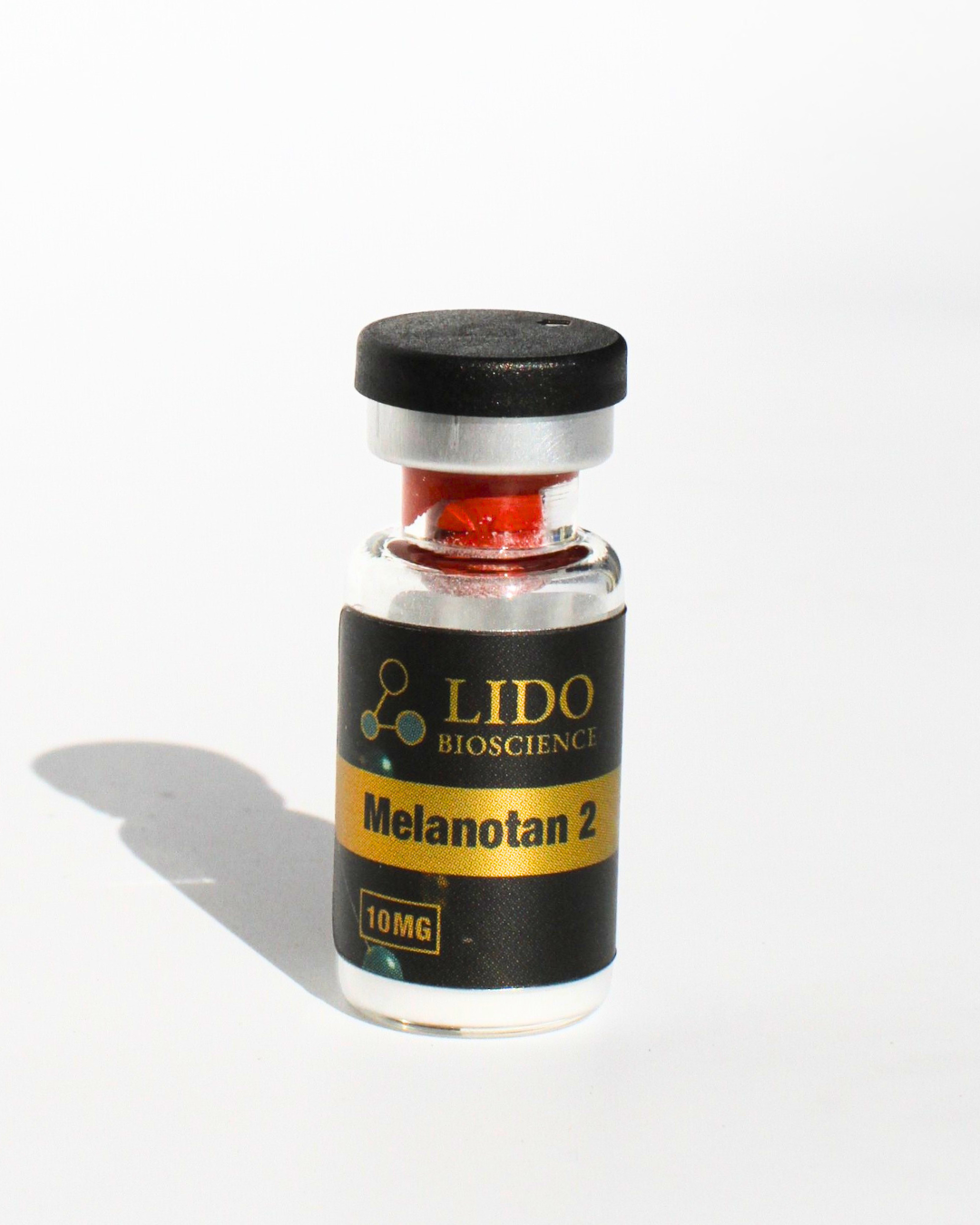
Melanotan 2 is a synthetic analog of alpha-melanocyte-stimulating hormone, or alpha-MSH. The molecule was originally developed in the 1980s at the University of Arizona as part of a research program looking at whether endogenous tanning could be induced as a way to reduce ultraviolet-driven skin damage and skin cancer risk.
This guide walks through the mechanism, the research context, and the side-effect profile.
The melanocortin receptor system
Alpha-MSH is the natural ligand for the melanocortin-1 receptor, or MC1R, on melanocytes. Activating MC1R signals melanocytes to produce eumelanin, the dark pigment that gives skin its protective response to UV exposure.
The melanocortin receptor family also includes MC3R and MC4R in the central nervous system, which are involved in appetite and sexual response. Melanotan 2 is a non-selective melanocortin receptor agonist, which means it activates MC1R for the pigmentation response but also activates MC3R and MC4R. The central-receptor activation drives several of the side effects documented in the literature.
Mechanism: pigmentation through MC1R
When Melanotan 2 binds MC1R on melanocytes, the receptor activates a cAMP signaling cascade that increases expression of the enzyme tyrosinase. Tyrosinase converts tyrosine into the precursor molecules of melanin, and the increased enzyme activity drives increased pigment production over the following days and weeks.
The pigmentation effect is gradual rather than acute. In animal models and limited human studies, repeated dosing over several weeks produces a sustained darkening of skin tone that fades slowly after the molecule is discontinued.
The skin-cancer-reduction hypothesis
The original research hypothesis was that inducing endogenous melanin production through MC1R activation might reduce the UV-driven DNA damage that drives skin cancer development. The mechanistic reasoning is that melanin absorbs UV photons and limits their penetration to the DNA-containing cell layers.
Whether the hypothesis translates to a real reduction in skin cancer rates has been difficult to test in controlled human trials, and the molecule has not been developed as an approved therapy for this indication. The afamelanotide analog has been developed for a different, narrow indication (erythropoietic protoporphyria) where UV-protection is the therapeutic goal.
Side-effect profile
The most-cited side effects in the literature are nausea, facial flushing, spontaneous erections in male subjects (driven by the same MC3R/MC4R activation that the PT-141 mechanism uses), increased appetite suppression, and darkening of pre-existing pigmented lesions.
The darkening of pre-existing nevi is the most-documented dermatologic concern, because the change can mask early melanoma development. The literature recommends a baseline dermatologic exam for any subject considering use.
A note on framing
Melanotan 2 is sold by Lido BioScience as a research peptide. The molecule is not approved as a therapy in any major jurisdiction.
Pregnancy, a personal history of melanoma or atypical nevi, and active dermatologic conditions are contexts where a physician should weigh in before any human use. The interaction with melanocyte biology is the reason this molecule is more cautious to handle than peptides that act peripherally.