Growth hormone, or GH, is released by the anterior pituitary in pulses, with most of the daily output happening during deep sleep. The hormone signals the liver to produce insulin-like growth factor 1, or IGF-1, which is the molecule that does most of the downstream work.
The peptides researchers use to study this axis fall into three groups: releasing hormones that prompt the pituitary to release more GH, secretagogues that act on a separate receptor to amplify the pulse, and IGF-1 analogs that bypass the pituitary entirely. This guide walks through each.
Releasing hormones: sermorelin and tesamorelin
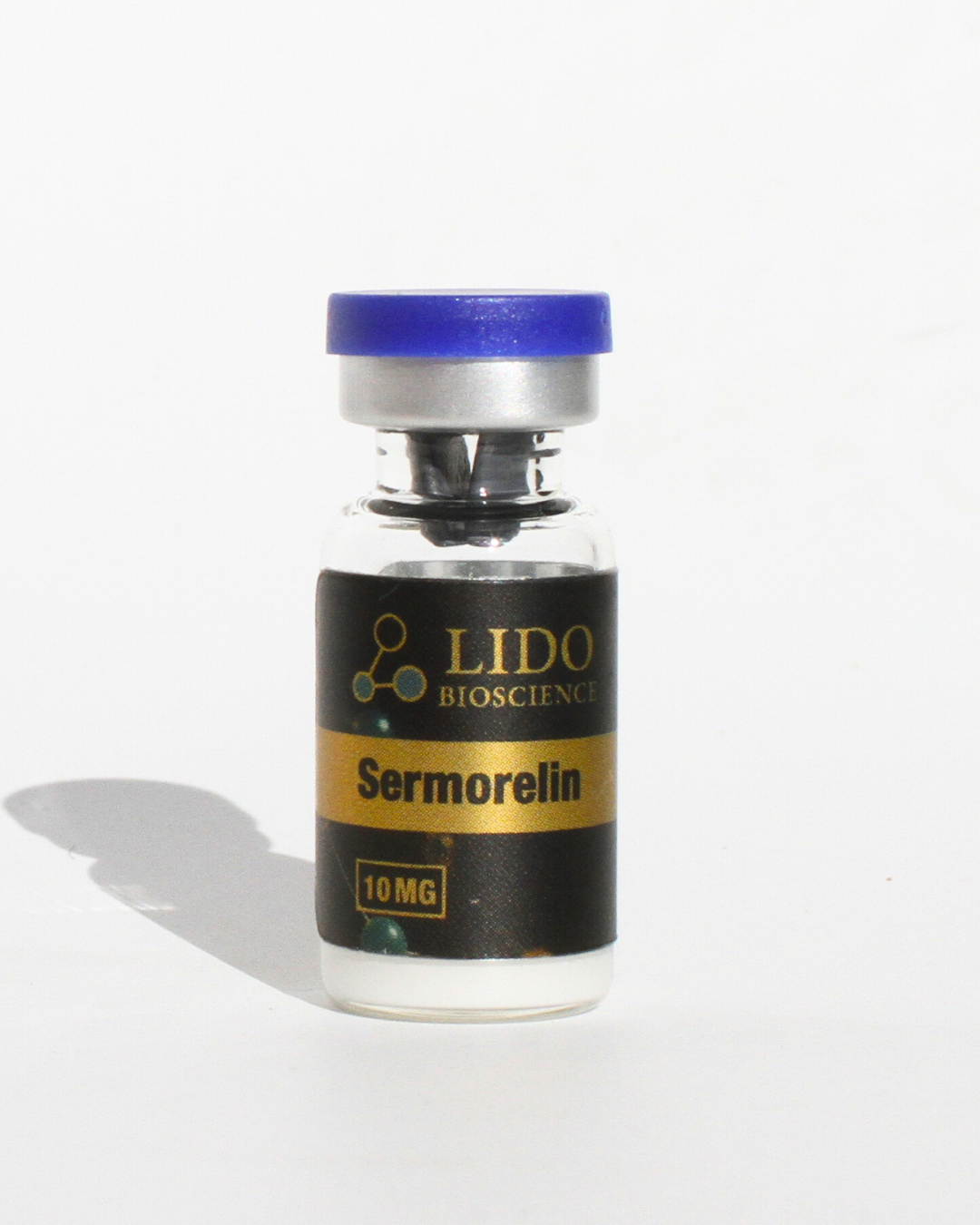
Growth-hormone-releasing hormone, or GHRH, is a 44-amino-acid peptide that the hypothalamus releases to signal the pituitary to release GH. Sermorelin is a synthetic version of the first 29 amino acids of GHRH, which retains the receptor activity in a shorter, easier-to-manufacture molecule.
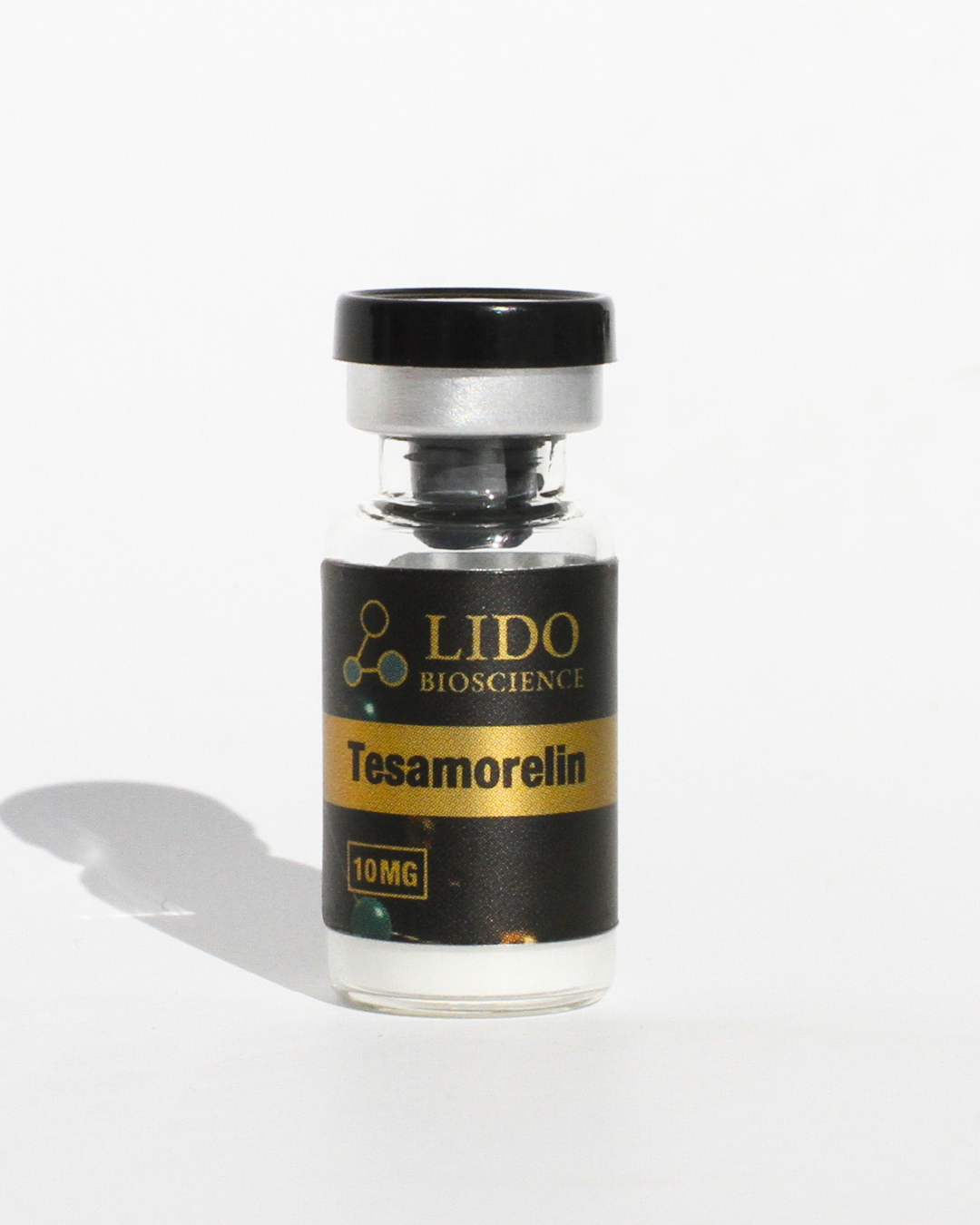
Tesamorelin, sometimes labeled TH9507, is a modified GHRH analog with a single chemical change at the N-terminus that resists enzymatic degradation. The structural change extends the half-life and makes the molecule more potent at the GHRH receptor than native GHRH or sermorelin. In published research, tesamorelin has been studied specifically for visceral fat reduction, which is a distinct endpoint from the broader effects of GH release.
Both molecules work by amplifying the natural GH pulse rather than overriding it, which preserves the pulsatile rhythm researchers consider important for downstream signaling.
Secretagogues: CJC-1295 and ipamorelin
A second class of molecules act on the ghrelin receptor, also called the growth-hormone secretagogue receptor or GHS-R. Ghrelin is best known as the hunger hormone, but its receptor on the pituitary is also a strong amplifier of GH release.
Ipamorelin is a selective GHS-R agonist. Selective means it triggers GH release without significantly affecting cortisol, prolactin, or appetite, which sets it apart from earlier secretagogues that had broader effects.
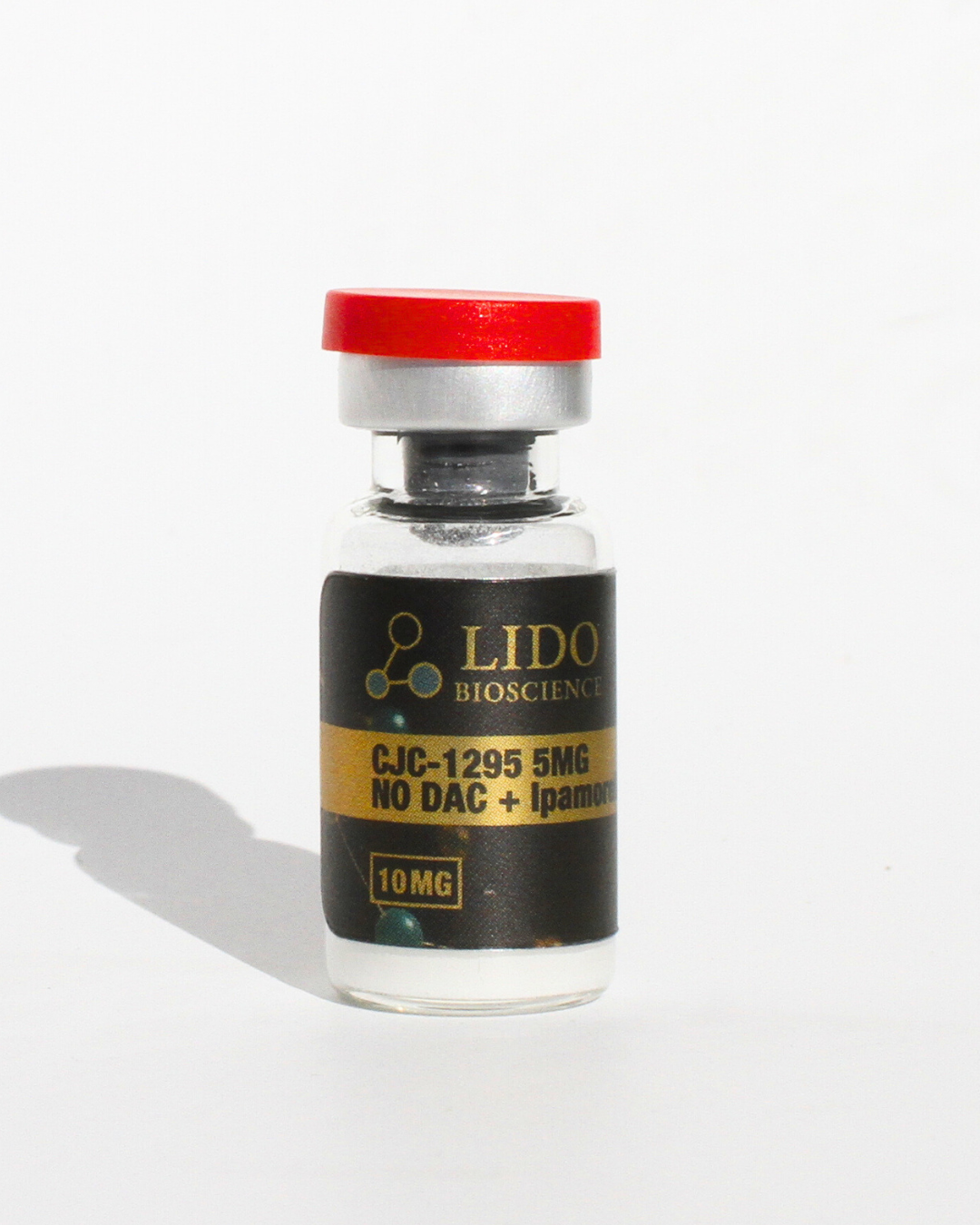
CJC-1295 is a longer-acting GHRH analog. The version without DAC has a half-life measured in hours and is typically studied alongside ipamorelin so that one molecule amplifies the GHRH signal and the other amplifies the secretagogue signal. The combined approach produces a larger GH pulse than either alone in published research.
The Lido BioScience catalog lists CJC-1295 and ipamorelin together in a single 5mg + 5mg vial, since they are nearly always studied together.
IGF-1 LR3: bypassing the pituitary
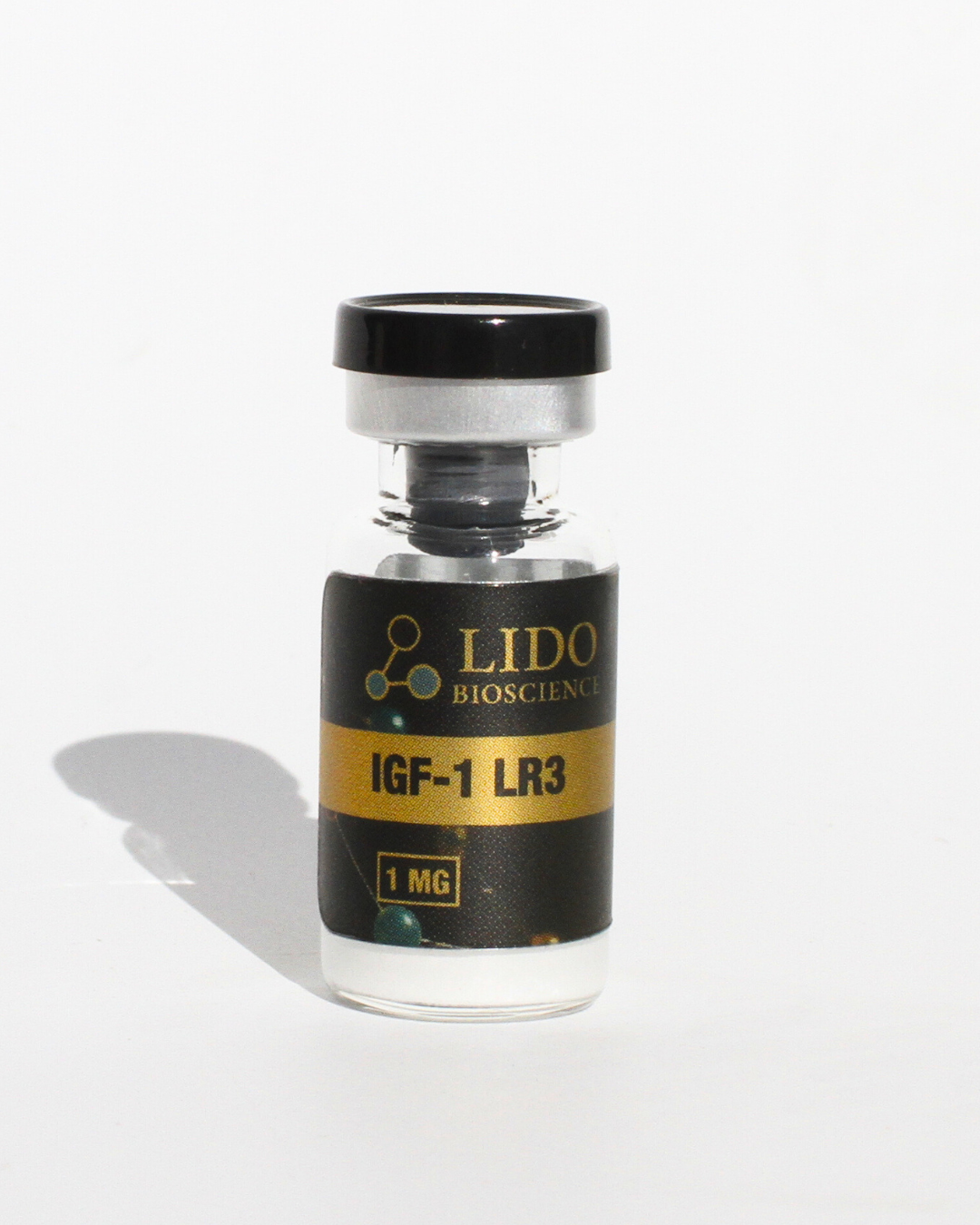
IGF-1 LR3 is a modified version of insulin-like growth factor 1. Native IGF-1 has a half-life of about 12 minutes because it binds tightly to IGF-binding proteins in the blood, which clear it from circulation quickly. LR3 stands for Long-Arg3, a structural modification that reduces binding-protein affinity and extends the half-life to roughly 20 to 30 hours.
Because IGF-1 is the downstream signaling molecule that does most of the work in the GH axis, LR3 lets researchers study IGF-1-specific effects directly without needing to stimulate the pituitary. This is useful in models where the pituitary response is impaired or where researchers want to isolate IGF-1 from other GH-driven effects.
Trade-offs apply: IGF-1 LR3 bypasses the natural feedback loops that regulate GH release, which means dosing has to be carefully controlled. The literature treats it as a focused research tool, not a substitute for endogenous IGF-1.
Why these classes are studied together
GHRH analogs prompt a GH pulse. Secretagogues amplify it. IGF-1 mimics the downstream signal. A research protocol that uses two of these classes together can answer questions about which part of the axis is responsible for a given outcome, which a single-molecule study cannot.
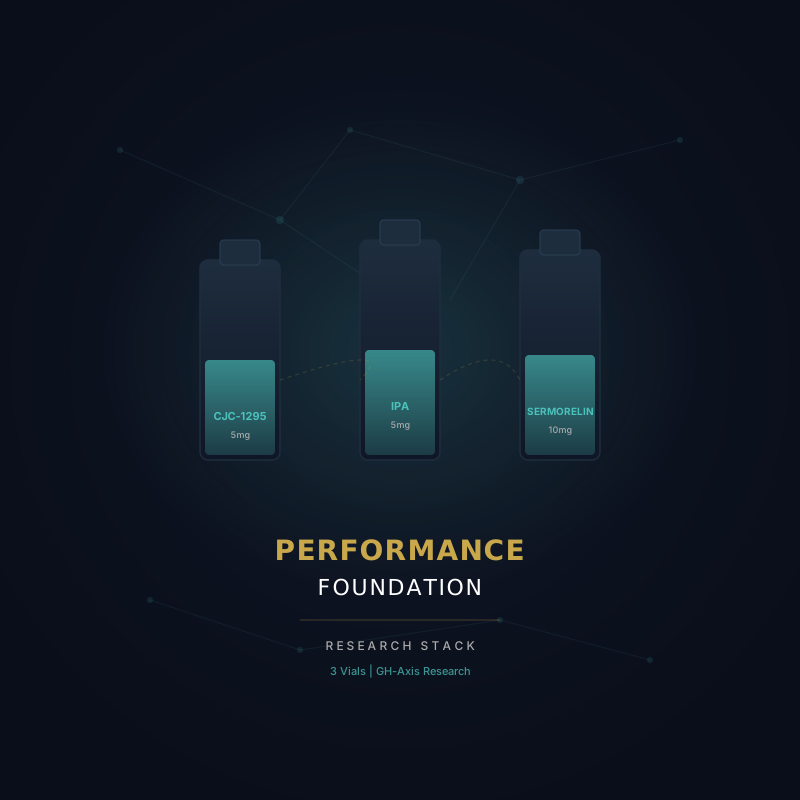
The Performance Foundation stack in the Lido BioScience catalog combines CJC-1295 + ipamorelin with AOD-9604 and sermorelin, which lets a researcher study the GH axis from both the releasing-hormone and secretagogue sides at once.
A note on framing
Compounds on the growth-hormone axis are sold by Lido BioScience as research peptides, not as approved medications. Published research on tesamorelin, sermorelin, and IGF-1 analogs exists in both academic and clinical contexts, but clinical use belongs with a licensed physician.
Several molecules in this family have signals in the cancer literature that require clinical evaluation before any human use. If you have a history of cancer or are pregnant, that conversation is not optional.