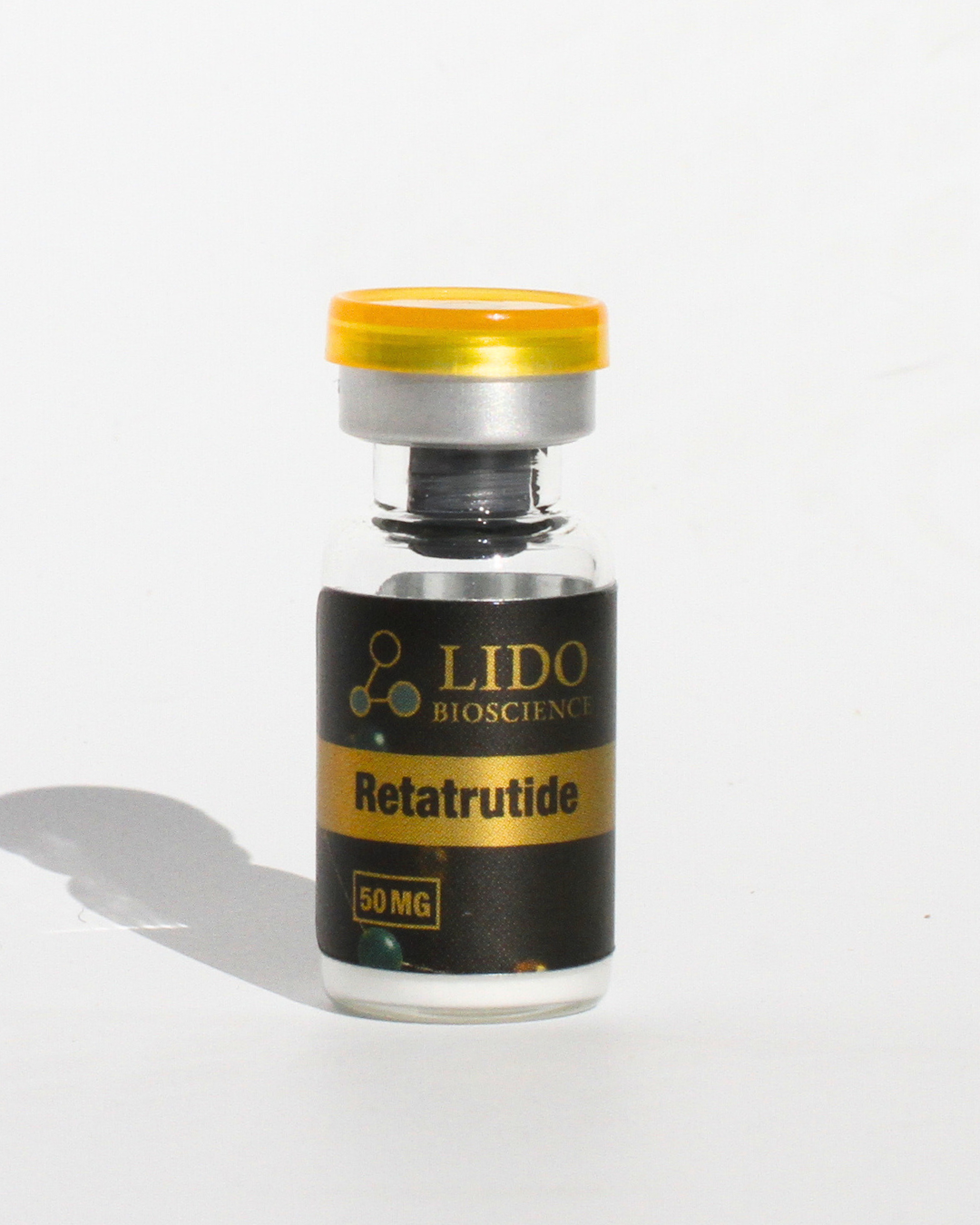
Most research on glucagon-like peptide-1 receptor agonists, a class of peptides that interact with GLP-1 receptors throughout the body, focuses on blood sugar regulation and body weight. But because GLP-1 receptors are found in tissues well beyond the pancreas, researchers have started asking whether these peptides also affect the eyes.
A review published in the journal Vision examined the available experimental and clinical evidence on this question. The authors found a genuinely mixed picture: some data suggest protective effects on retinal and optic nerve cells, while other signals raise caution, particularly around one specific peptide and a rare condition affecting the optic nerve. The overall conclusion is that eye-related outcomes linked to this class of peptides appear to depend on the specific drug, how fast metabolism changes, and characteristics of the individual patient.
How GLP-1 receptor signaling reaches the eye
GLP-1 is a naturally occurring peptide hormone released after eating. Synthetic versions and analogs that activate GLP-1 receptors have been widely studied for their ability to lower blood glucose and reduce appetite. What drew the reviewers' attention is that GLP-1 receptors are expressed in several ocular tissues, including the retina, the optic nerve, and the cells that line the front surface of the eye.
Because these receptors are present in eye tissue, it is biologically plausible that peptides targeting them could have effects there, whether helpful or harmful. The review set out to map what the literature actually shows, separating experimental laboratory data from clinical observations in real patients.
Neuroprotective signals in laboratory data
On the experimental side, the review describes findings that lean in a protective direction. Researchers studying retinal and optic nerve tissue have found that GLP-1 receptor activation appears to reduce oxidative stress, a process in which unstable molecules damage cells over time. Oxidative stress is considered a contributing factor in several eye diseases, so reducing it is generally viewed as favorable.
The same experimental data point toward neuroprotective effects on the retinal ganglion cells and the optic nerve, which are the neural structures responsible for transmitting visual information to the brain. Early-stage research has also explored possible benefits for the cells that form the inner lining of the eye's drainage structures, relevant to conditions like glaucoma.
It is worth noting that laboratory findings and animal-model data do not automatically translate to outcomes in humans. The reviewers are careful to frame these as mechanistic hypotheses rather than confirmed clinical effects.
Diabetic retinopathy and the rapid-improvement paradox
One of the most discussed topics in the review is diabetic retinopathy, a condition in which the small blood vessels of the retina are damaged by chronically high blood sugar. The intuitive expectation might be that lowering blood sugar with GLP-1 receptor peptides would protect the retina. The evidence, however, is more nuanced.
The review describes a well-recognized phenomenon in which rapid improvement in blood glucose control can actually cause a temporary worsening of retinopathy in some patients. This is not unique to GLP-1 receptor peptides; it has been observed with other aggressive glucose-lowering approaches. The concern the authors highlight is that when blood sugar drops quickly, the retina, which had adapted to a high-glucose environment, may experience a kind of metabolic stress that temporarily worsens existing vascular damage.
Crucially, the reviewers note that the available data do not support direct toxicity to the retina from GLP-1 receptor peptides themselves. The transient worsening, when it occurs, appears to be tied to the speed of metabolic change rather than to any harmful property of the peptide class.
An optic nerve signal and the question of causality
The most specific safety signal discussed in the review involves semaglutide, one peptide in the GLP-1 receptor agonist class, and a rare condition called non-arteritic anterior ischemic optic neuropathy, in which blood supply to the optic nerve is suddenly reduced. Observational studies have raised a possible association between semaglutide use and an elevated rate of this condition compared to background rates.
The review describes this signal carefully. The authors note that the absolute risk appears low and that causality has not been established. Several confounding factors complicate interpretation: patients using these peptides often have diabetes, obesity, and cardiovascular disease, all of which are themselves risk factors for optic nerve vascular events. Whether the peptide itself contributes, or whether the association reflects the underlying health profile of the population being treated, remains an open question that prospective studies are expected to address.
The authors suggest that clinicians consider baseline eye assessments for high-risk patients, which is consistent with standard ophthalmic care for people with diabetes and cardiovascular risk factors, rather than a new recommendation driven solely by this signal.
Glaucoma, ocular surface, and macular degeneration
Beyond retinopathy and optic neuropathy, the review surveys emerging research on several other eye conditions. For glaucoma, some studies have found associations suggesting that GLP-1 receptor agonist use may be linked to lower rates of diagnosis or slower progression, though the authors describe this evidence as preliminary and not yet strong enough to draw firm conclusions.
Ocular surface diseases, including conditions affecting tear production and the front surface of the eye, have also appeared in emerging studies with possible favorable associations. The biological rationale here may connect to the anti-inflammatory properties suggested by experimental data.
For age-related macular degeneration and cataract, the review describes the existing evidence as either conflicting or too preliminary to interpret. Different studies have reached different conclusions, and the authors flag that research in these areas is at an early stage. No class-wide conclusion is supported by the current data.
What the review concludes overall
The reviewers conclude that ocular outcomes associated with GLP-1 receptor peptides are unlikely to represent a single uniform class effect. Instead, the literature suggests that outcomes depend on which specific peptide is used, how rapidly the metabolic environment changes, and the individual patient's baseline eye health and systemic disease burden.
The review calls for prospective studies specifically designed to examine eye outcomes in patients treated with incretin-based therapies over time. Current evidence is drawn largely from observational data, retrospective analyses, and trials where eye outcomes were secondary endpoints rather than primary ones. Dedicated ophthalmology-focused trials, the authors argue, are needed before confident conclusions can be drawn about long-term safety or benefit for any specific ocular condition.
For researchers and clinicians, the review serves as a map of where the evidence is robust, where it is preliminary, and where genuine uncertainty remains. For people interested in peptide research more broadly, it illustrates how a single receptor system expressed across multiple tissues can produce a wide range of biology that takes years of careful study to fully characterize.