Obstructive sleep apnea is a common condition in which the airway repeatedly narrows or closes during sleep, disrupting breathing and reducing oxygen delivery to the brain and body. It is strongly linked to obesity, and people living with both conditions face a higher risk of stroke and other cardiovascular problems. Standard care typically centers on a device called a CPAP machine, which keeps the airway open with gentle air pressure.
A separate line of research has been exploring a class of molecules called glucagon-like peptide-1 receptor agonists, often abbreviated as GLP-1 receptor agonists or GLP-1As. These are peptides that mimic a hormone the gut naturally releases after eating. Researchers have documented effects on blood sugar regulation and body weight in people with diabetes and obesity, along with apparent benefits for the heart and blood vessels.
What had not been clearly established was whether GLP-1 receptor agonists might shift health outcomes specifically in people with obstructive sleep apnea. A large retrospective cohort study published in Respiratory Medicine addressed that question directly, drawing on nearly a decade of US patient records and tracking outcomes for up to five years.
Study design and patient population
The research team used the TriNetX US Collaborative Network, a database drawing on electronic health records from hospitals and clinics across the United States. They identified adults diagnosed with obstructive sleep apnea between January 2016 and December 2025. The exposure of interest was starting a GLP-1 receptor agonist within a narrow window around the time of that diagnosis, specifically from six months before to one month after.
To make the two groups as comparable as possible, the researchers applied a statistical technique called propensity score matching. This process pairs each person in the GLP-1A group with a person in the non-GLP-1A group who looks similar on a long list of measured characteristics, such as age, other health conditions, and medications. After matching, each group contained 438,844 patients, making this one of the larger real-world analyses on the topic to date.
Outcomes were tracked at one year, three years, and five years. The researchers used Kaplan-Meier survival curves and Cox proportional hazards models, both standard tools for comparing event rates over time between groups. They also ran additional analyses limited to patients confirmed to be using CPAP and a separate analysis focused specifically on one particular dual-acting peptide to check whether findings held across these narrower subgroups.
Cerebrovascular event rates
Across all three time points, the GLP-1A-exposed group showed lower hazard ratios for ischemic stroke compared with the matched controls. The hazard ratios were 0.75 at one year, 0.83 at three years, and 0.87 at five years, all reaching statistical significance with p values below 0.001. In plain terms, a hazard ratio below 1.0 means the event happened at a lower rate in the exposed group during follow-up.
The signal was even more pronounced for intracranial hemorrhage, which is bleeding inside the skull. Hazard ratios were 0.44 at one year, 0.56 at three years, and 0.61 at five years. The pattern of the numbers suggests the relative difference between groups narrowed somewhat over time, which the researchers noted but did not fully explain. Whether this reflects biology, changing treatment adherence, or the limits of observational data is not yet clear.
Healthcare utilization and mortality
Beyond the specific brain-related events, the study tracked broader measures of health system use. Emergency department visits were less frequent in the GLP-1A group at all three time points, with hazard ratios of 0.77, 0.86, and 0.87. Inpatient hospitalizations showed a similar pattern, with hazard ratios of 0.59, 0.67, and 0.69.
The difference in all-cause mortality was among the most striking findings in the abstract. At one year the hazard ratio was 0.38, meaning roughly 38 events occurred in the GLP-1A group for every 100 in the control group during that period. At three and five years the ratios were 0.49 and 0.54 respectively. The researchers were careful to describe these as associations, not proof that the peptides caused lower mortality, since many unmeasured factors could influence who is alive at follow-up in a retrospective database study.
Subgroup consistency
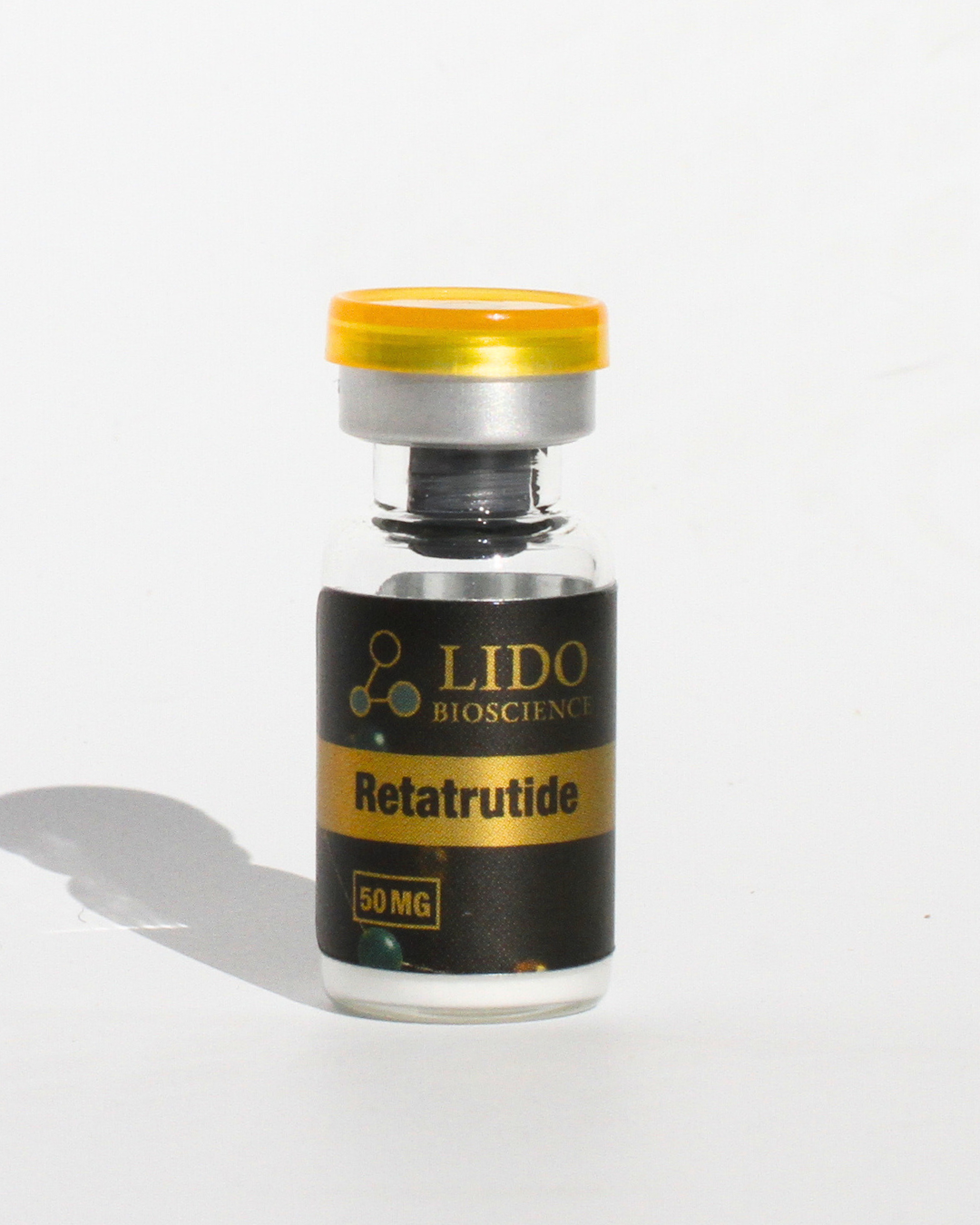
One important question in this kind of analysis is whether the main findings are driven by a specific subset of patients rather than the broader group. The researchers ran two additional subgroup analyses. The first was restricted to patients with confirmed CPAP use, which helped isolate whether the associations held in people who were already receiving standard sleep apnea treatment. The second focused on patients taking a specific dual-acting peptide that targets both GLP-1 and another receptor called GIP.
In both subgroups the directional pattern was consistent with the main analysis, meaning the GLP-1A-exposed patients still showed lower event rates across the outcomes measured. The abstract does not report exact hazard ratios for these subgroups, but the consistency across them adds a layer of confidence that the associations are not artifacts of one particular slice of the data.
Why this might make biological sense
GLP-1 receptors are found not only in the pancreas but also in the brain, the lining of blood vessels, and the heart. The literature suggests that activating these receptors can reduce inflammation, improve how vessel walls function, and lower blood pressure, all of which are relevant to stroke risk. People with obstructive sleep apnea already have elevated cardiovascular risk partly because repeated drops in oxygen during sleep stress the cardiovascular system over time.
If GLP-1 receptor agonists reduce body weight, they may also reduce the severity of airway obstruction itself, since fat deposits around the neck and upper airway contribute to the anatomy of the problem. A lighter load on the airway might mean shallower oxygen dips during sleep, which could translate to less stress on blood vessels night after night. These are plausible mechanisms the literature has outlined, but the study in question was not designed to untangle which pathway drove the associations observed.
Limitations and what comes next
The researchers were explicit that these findings are hypothesis-generating rather than definitive. A retrospective cohort study, even a very large one with propensity score matching, cannot rule out all confounding. People who are prescribed GLP-1 receptor agonists may differ in important unmeasured ways from those who are not, including levels of health engagement, access to care, and dietary habits. The database approach also relies on billing and diagnostic codes rather than direct clinical measurements like polysomnography severity scores.
The authors call for prospective studies that would assign patients to treatments in a controlled way and follow them with standardized outcome measures. They frame GLP-1 receptor agonists as potential adjuncts to standard OSA management rather than replacements for it, a framing the data support given that benefits were visible even among CPAP users. Until prospective trials report results, the clinical implications remain uncertain.