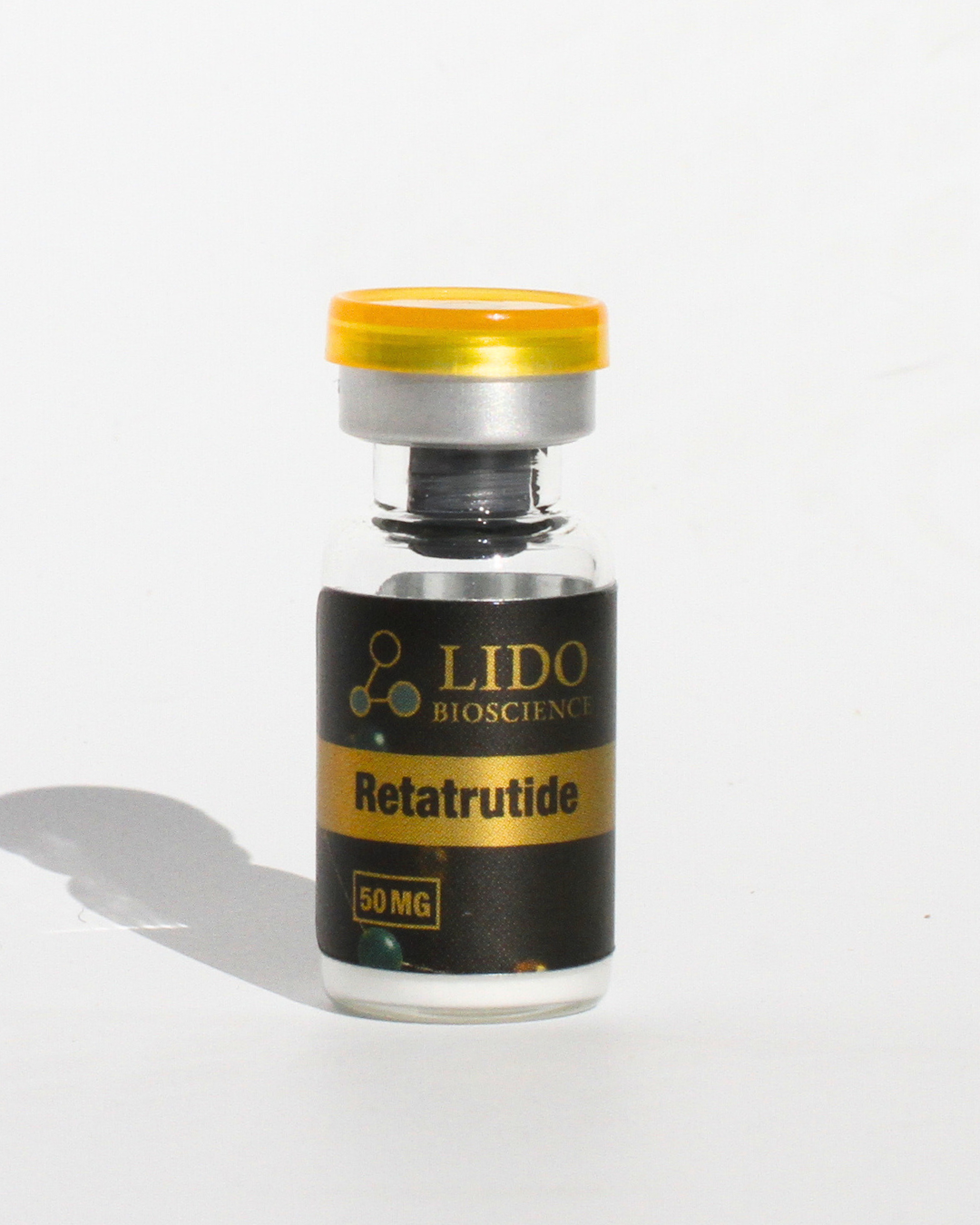
When researchers talk about weight-loss outcomes, total body weight is rarely the whole story. Lean tissue, meaning muscle and other non-fat mass, plays a central role in strength, energy metabolism, and the ability to carry out everyday tasks. A growing body of literature suggests that GLP-1 receptor agonists, a class of peptide-based medications that mimic the gut hormone glucagon-like peptide-1, can reduce lean tissue alongside body fat. That observation has prompted a new wave of questions about what patients on these medications are actually doing to protect their muscles.
A recruiting study registered at ClinicalTrials.gov is trying to answer one foundational question: how much resistance training are adults on GLP-1 receptor agonist therapy actually doing, and does that change after they start the medication? The survey-based study, designed at Ohio State University, is collecting anonymous self-reported data from current users of these drugs to map the gap between clinical guidelines and real-world behavior.
What GLP-1 receptor agonists do in the body
GLP-1 is a hormone released naturally from cells lining the small intestine after a meal. It slows the rate at which the stomach empties, limits the peak amount of nutrients absorbed, and helps regulate blood glucose by encouraging the pancreas to release insulin while suppressing glucagon. It also appears to protect the insulin-producing beta cells in the pancreas from dying off and may support the growth of new ones.
GLP-1 receptor agonists are synthetic peptides designed to bind to the same receptors that natural GLP-1 activates, but they stay active in the body far longer than the natural hormone does. Originally developed to improve blood sugar control in type 2 diabetes, these compounds have increasingly been studied and prescribed for chronic weight management. The trial record notes that U.S. use of these medications for weight-related indications rose from roughly 21,000 users in 2019 to about 174,000 by 2023, an increase of more than 700 percent.
The lean mass concern
Weight loss achieved through any calorie-reducing approach tends to include some loss of lean tissue, not just fat. The trial background notes that GLP-1 receptor agonist therapy carries a recognized side effect of reducing lean tissue mass. The downstream consequences researchers have flagged include lower muscular strength, slower walking speed, increased fatigue, a higher risk of falls, and reduced capacity to perform basic daily activities independently.
Metabolic health is also tied to muscle mass. Skeletal muscle is one of the primary sites where glucose is cleared from the bloodstream after a meal. When muscle mass declines, that clearing capacity can diminish, potentially working against some of the metabolic benefits the medication is prescribed to achieve. Early data points at this tension as a meaningful concern for long-term outcomes in this patient population.
Why resistance training is the focus
Among all forms of physical activity, resistance training, which includes lifting weights, using resistance bands, or performing bodyweight exercises against load, is considered by exercise scientists the most effective strategy for preserving and building muscle. The American College of Sports Medicine recommends that adults engage in resistance training at least two to three times per week at moderate to vigorous intensity, targeting all major muscle groups.
The problem, according to national surveillance data cited in the trial record, is that only about 30 percent of U.S. adults currently meet those muscle-strengthening guidelines. That figure covers the general population. The study researchers hypothesize that compliance rates among GLP-1 receptor agonist users may be no better, and possibly worse, particularly because the medications themselves can reduce appetite and energy in ways that might make structured exercise feel less appealing.
What the study is designed to measure
The trial is a cross-sectional online survey. Adults who are currently using a GLP-1 receptor agonist fill out a single anonymous questionnaire that takes about ten minutes. No clinic visits occur, no biological samples are collected, and no identifiers are linked to responses. The target enrollment is 200 to 300 participants.
The questionnaire uses a validated instrument called the Muscle-Strengthening Exercise Questionnaire to capture resistance training frequency, session length, intensity on a standardized 0 to 10 scale, muscle groups worked, and the type of equipment or method used. Critically, participants are asked to recall their typical resistance training habits both before and after starting their GLP-1 medication, allowing a within-person comparison.
Beyond exercise behavior, the survey collects self-reported data on perceived muscular strength, ability to manage daily tasks, fatigue levels, and overall quality of life. Participants are also asked about barriers they perceive to doing resistance training while on the medication, and about factors that they feel would help them do more of it.
The four research questions being pursued
The study lays out four specific aims. The first is to estimate how many GLP-1 receptor agonist users were meeting resistance training guidelines before they started the medication, and how many are meeting them now. The researchers hypothesize that a minority met guidelines before starting and that participation has not increased, and may have declined, since initiating therapy.
The second aim is to characterize the quality and quantity of resistance training among those who do report doing it, to see whether their training actually matches the dosage recommended for muscle preservation. The third aim looks at whether meeting resistance training guidelines is associated with better self-reported strength, functional ability, and quality of life. The fourth aim is to catalog the specific barriers users report, with the researchers expecting that low awareness of resistance training's relevance during GLP-1 therapy, limited equipment access, and fear of injury will rank among the most common.
The statistical approach will include paired analyses comparing pre- and post-medication training status, with appropriate tests selected based on whether outcomes are categorical or continuous. The goal is to generate descriptive data precise enough to inform future intervention studies that could test whether adding structured resistance training to GLP-1 therapy improves body composition and functional outcomes.
Broader context for peptide researchers
The study sits within a wider literature examining how peptide-based compounds that alter appetite, energy balance, and metabolic signaling interact with exercise physiology. Researchers studying other peptides involved in body composition, such as growth hormone-releasing peptides or metabolic regulators, face a similar challenge: separating the effects of the compound itself from the effects of behavioral changes like diet and physical activity that often accompany its use.
This trial does not test a new compound or a new combination. Its value is descriptive. By establishing a clear baseline of resistance training behavior in this large and rapidly growing patient population, the research team aims to give future clinical trial designers a clearer picture of the exercise habits they need to account for, or deliberately modify, when studying lean mass outcomes in GLP-1 receptor agonist users.