Glucagon-like peptide-1, or GLP-1, is a hormone the gut releases after a meal. Its primary jobs are to amplify insulin release in response to food, to slow gastric emptying, and to signal satiety in the hypothalamus. Synthesized analogs of GLP-1 that resist the enzyme that normally breaks it down have been one of the most active areas of metabolic research over the past two decades.
This guide walks through the receptor families involved, why dual and triple agonists became the next frontier, and where the current generation of research molecules sits.
The first generation: single GLP-1 agonists
Native GLP-1 has a half-life of about two minutes. The first generation of research molecules in this class extended that half-life through small structural changes, most often by attaching a fatty acid chain that binds reversibly to serum albumin. Albumin binding shields the peptide from rapid clearance and stretches the duration of action from minutes to hours, and in some cases to days.
The first-generation agonists demonstrated that sustained GLP-1 receptor activation produced consistent reductions in food intake and improvements in glycemic control in animal models, and later in human trials. They also established the receptor family as a real target rather than a hypothesis.
Why researchers moved to dual agonists
GLP-1 is one of several incretin hormones. The other big one is GIP, glucose-dependent insulinotropic polypeptide. GIP also amplifies insulin release after a meal, but its effects on appetite and body weight are more complicated. In some studies GIP receptor agonism increases food intake, and in others it decreases it, depending on the model and the context.
The dual-agonist hypothesis was that activating both GLP-1 and GIP receptors at once might produce a different metabolic profile than either alone. The literature supports a synergy: in the right ratio, dual GLP-1 and GIP agonists produced larger reductions in body weight than single GLP-1 agonists at equivalent doses, with comparable effects on glucose handling.
The current generation: triple agonists
The third receptor in this story is glucagon. Glucagon raises blood sugar by signaling the liver to release stored glucose, which sounds like the wrong direction for a metabolic therapy. But glucagon also increases energy expenditure: it raises basal metabolic rate, promotes lipolysis, and shifts the body toward burning fat rather than storing it.
A molecule that activates GLP-1, GIP, and glucagon receptors all at once and in the right ratio combines three effects: enhanced insulin response and reduced appetite from GLP-1 and GIP, plus increased energy expenditure from glucagon. The glucagon signal also seems to counteract the slowdown in basal metabolism that usually accompanies weight loss, which has been a stubborn problem with single-mechanism approaches.
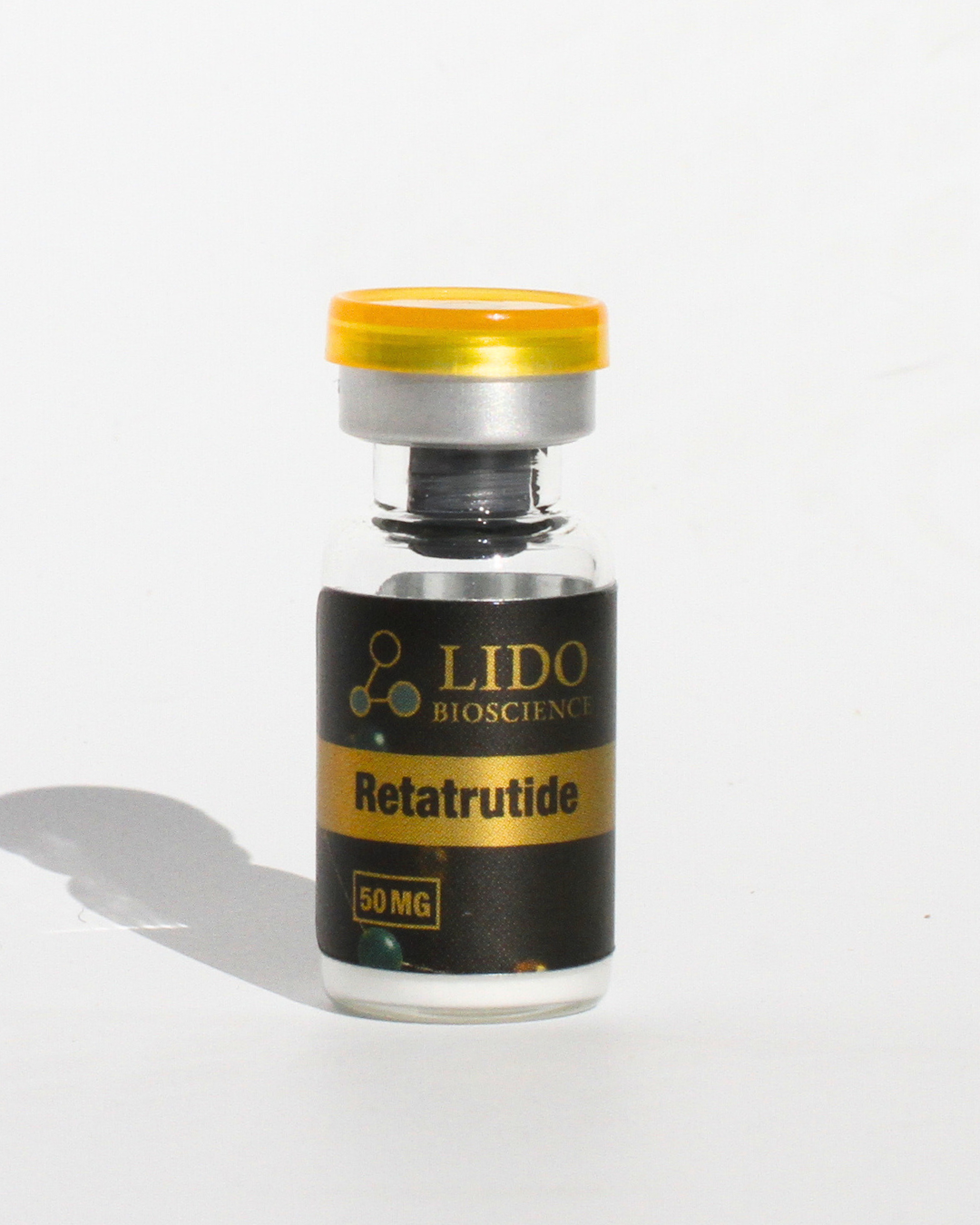
Retatrutide is the most studied triple agonist in this class. In published research, the molecule produced larger reductions in body weight in animal models and human trials than the dual agonists at comparable doses, and the metabolic profile, including effects on liver fat and basal energy expenditure, looked distinct from earlier classes.
Adjacent molecules: cagrilintide, tesamorelin
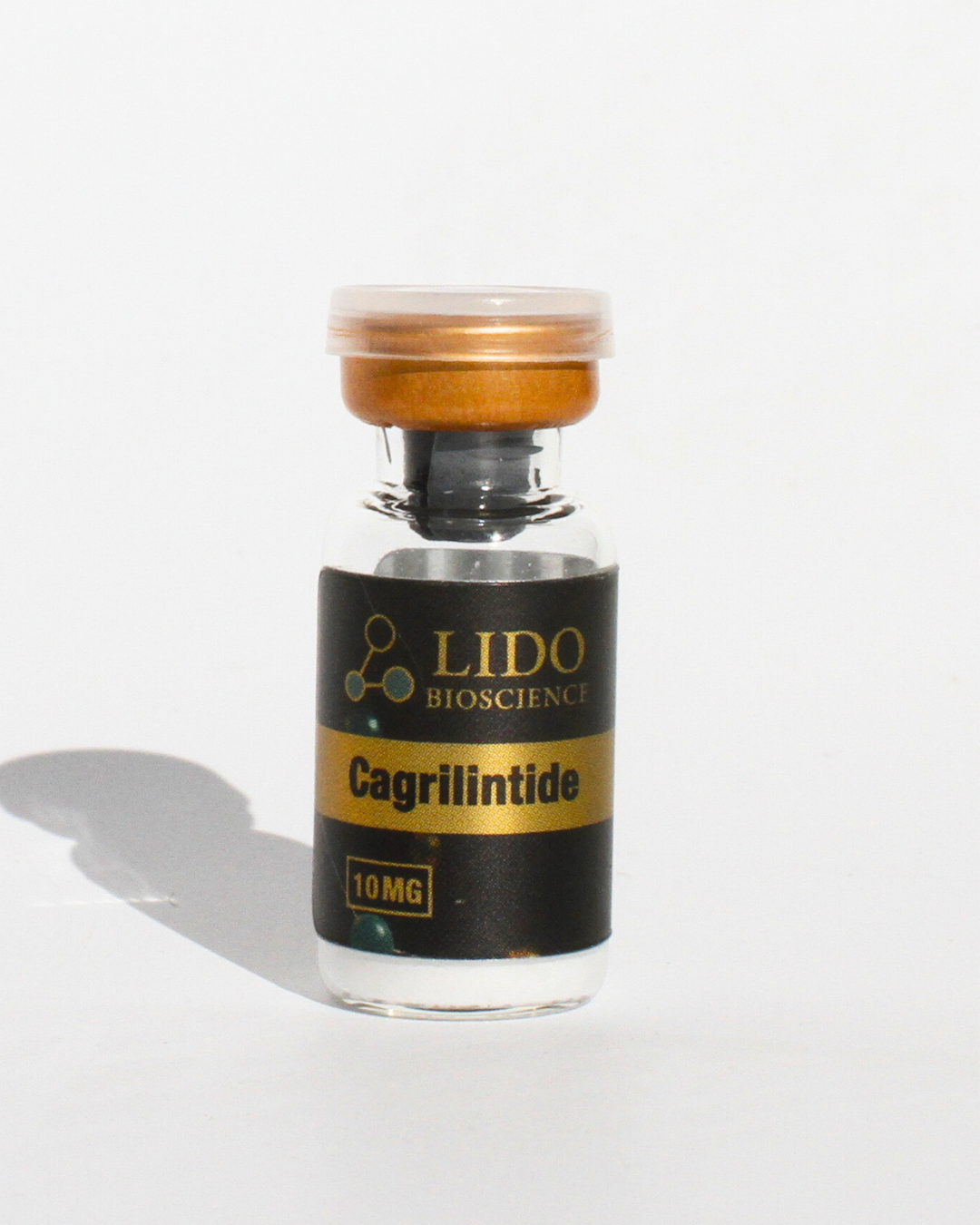
Cagrilintide is an amylin analog, not a GLP-1 agonist, but it acts on a parallel satiety pathway. Amylin is co-secreted with insulin and signals fullness through brainstem receptors. Cagrilintide combined with a GLP-1 agonist has been studied as a way to recruit two satiety signals at once, with the dual mechanism producing larger effects on food intake than either alone.
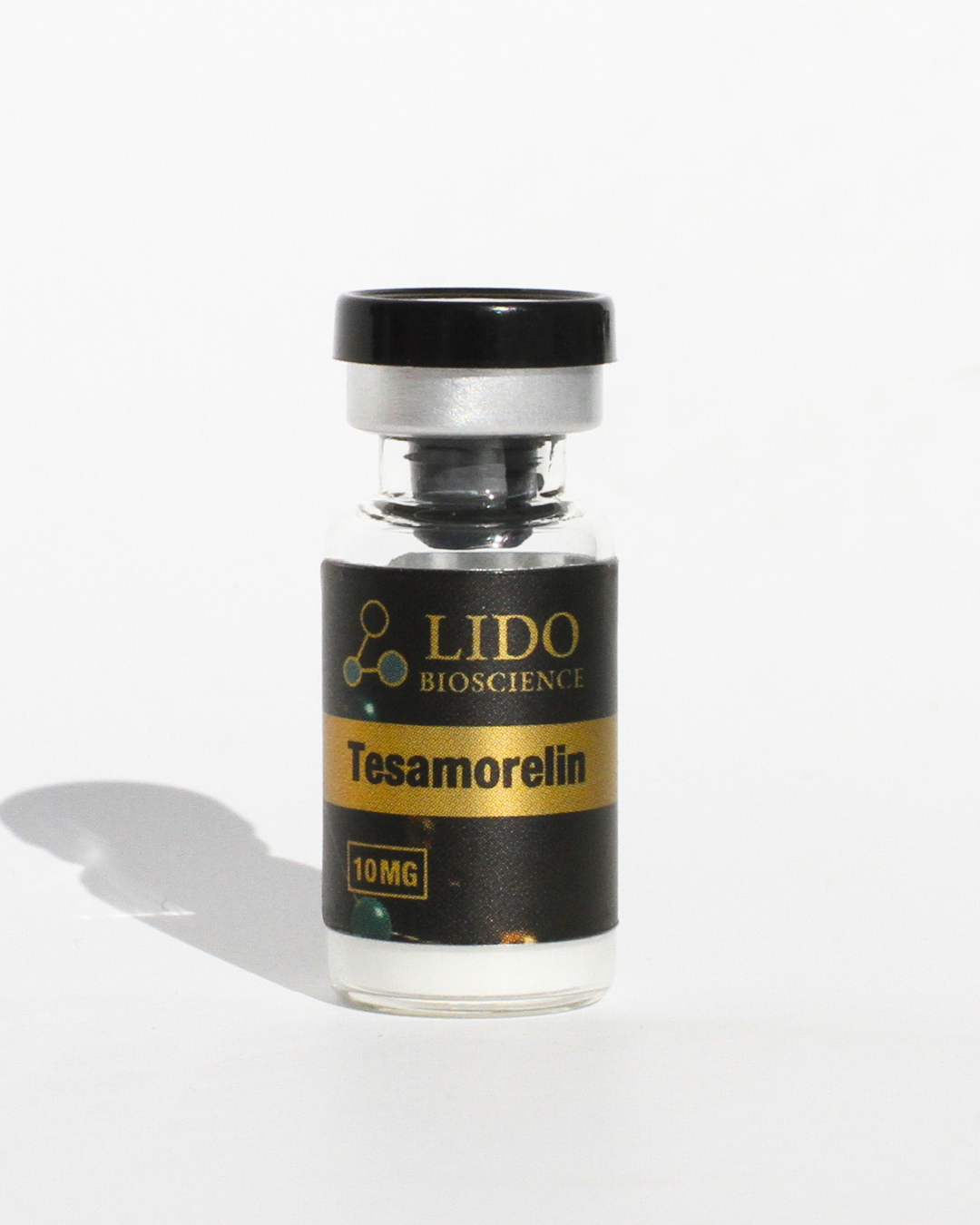
Tesamorelin, sometimes labeled TH9507, sits on a different axis entirely. It is a growth-hormone releasing hormone analog that prompts the pituitary to release growth hormone in a pulsatile pattern that resembles the natural rhythm. In research it has been studied for visceral fat reduction, which is a distinct outcome from the appetite-driven weight loss seen with incretin agonists.
These three classes, incretin agonists, amylin analogs, and growth-hormone secretagogues, are sometimes stacked in research protocols because they target different physiological levers. The Lido BioScience catalog lists each as an individual compound and includes a signature metabolic stack that combines retatrutide, tesamorelin, and cagrilintide as a 12-week framework.
What the next wave of research looks at
Active areas in the literature right now include longer-acting versions of all three classes, oral formulations, fixed-ratio combinations of two or more agonists in a single molecule, and small molecules that act on the same receptors without the peptide structure.
The mechanistic story is also expanding beyond appetite and glucose handling. GLP-1 receptor agonists have shown signals in cardiovascular endpoints, kidney function, neuroinflammation, and addictive behaviors in published research. Whether those signals translate to clinically meaningful outcomes is the question the next wave of trials is built to answer.
A note on framing
The compounds named in this article are sold by Lido BioScience as research peptides, not as approved medications. The published research described here is academic literature, not medical advice. If you are evaluating whether any of these molecules are appropriate for a clinical situation, that decision belongs with a physician.
Pregnancy, nursing, and a history of medullary thyroid carcinoma or MEN-2 are contraindications across this family of compounds. Talk to a clinician before any human use.