Childhood obesity and type 2 diabetes diagnosed in young people are both rising, and researchers have been searching for options that go beyond standard lifestyle counseling and the drug metformin. A 2026 systematic review published in a diabetes research journal set out to collect the best available evidence on one class of compounds that has attracted growing scientific attention: glucagon-like peptide-1 receptor agonists, or GLP-1 RAs for short.
GLP-1 receptor agonists are peptides that mimic a natural gut hormone released after eating. That hormone signals the pancreas to release insulin, tells the brain to register fullness, and slows the rate at which the stomach empties. Researchers have studied these effects extensively in adults, but the pediatric evidence base has been smaller and more scattered, making a systematic review a useful tool for drawing broader conclusions.
The review team searched PubMed-indexed literature published between 2000 and 2025, ultimately including seven randomized controlled trials and six meta-analyses. Together those studies covered 901 participants between the ages of 6 and just under 18. The team looked at body mass index, blood sugar control, insulin resistance, blood lipids, and safety signals.
Study design and participant pool
Systematic reviews work by applying a defined search strategy and then screening every result against pre-set criteria. The authors of this review focused specifically on randomized controlled trials, which randomly assign participants to receive either the compound being studied or a placebo or comparator. That design limits the chance that outside factors explain any differences seen between groups.
The 901 participants were divided roughly into two categories: adolescents and children with obesity but not diabetes, and young people with youth-onset type 2 diabetes. Using two distinct groups allowed the researchers to ask separate questions about each condition, since the metabolic profile and treatment goals differ between them.
Three GLP-1 receptor agonist compounds appeared across the included studies: semaglutide at a higher weekly dose studied for obesity, liraglutide at two different daily doses studied for both obesity and diabetes, and dulaglutide studied specifically in youth-onset diabetes. The review did not evaluate all three head-to-head in a single trial; rather, it synthesized findings across multiple separate studies.
BMI and weight-related findings
Among adolescents studied for obesity, the review found that the weekly semaglutide dose produced the largest measured reduction in body mass index. Liraglutide at the higher daily dose also showed meaningful BMI reductions in adolescents, and one study extended findings to younger children, where liraglutide was associated with improvements in BMI standard deviation scores, a metric that accounts for expected growth patterns rather than raw weight.
BMI standard deviation score is considered a more precise measurement in growing children because a child's healthy weight range shifts as they age and develop. A reduction in this score signals that a participant moved closer to the typical range for their age and sex, which researchers treat as a meaningful clinical endpoint in pediatric obesity studies.
The review authors were careful to note that these BMI findings came from trials of varying lengths. Longer-term data to confirm that reductions are sustained over years, or to assess what happens when the compound is stopped, were described as an important gap in the current literature.
Blood sugar and insulin resistance
In the youth-onset type 2 diabetes studies, both liraglutide at its lower daily dose and dulaglutide were associated with improved HbA1c scores compared with placebo. HbA1c is a measure of average blood sugar levels over roughly three months, and it is a standard endpoint in diabetes research because it reflects day-to-day glucose control rather than a single snapshot reading.
The review also found that GLP-1 receptor agonists were associated with improvements in insulin resistance across studies. Insulin resistance is a state in which cells respond less efficiently to insulin, requiring the pancreas to produce more to achieve the same effect. Early data in the reviewed trials pointed at modest improvements in markers of insulin sensitivity, though the authors characterized these findings as preliminary given the relatively small number of participants and the varying methods studies used to measure insulin resistance.
Triglyceride levels, a type of blood fat tracked as a cardiovascular risk marker, showed modest reductions in the treatment groups. Changes in LDL cholesterol, often called the less favorable cholesterol type, were described as minimal across the reviewed studies, suggesting that lipid effects in this population may be less pronounced than some earlier adult research had indicated.
Safety profile across the reviewed trials
The most commonly reported adverse events were gastrointestinal, primarily nausea and vomiting. The review characterized these as generally transient, meaning they tended to decrease over time rather than persist throughout the study period. The frequency and intensity also appeared to be dose dependent, occurring more often at higher doses, a pattern consistent with what has been observed in adult research on the same class of compounds.
Two safety questions that researchers paid particular attention to in a pediatric context were linear growth and pubertal progression. Because children and adolescents are still developing, any compound that might interfere with normal height gain or puberty timing would raise significant concern. The review reported that no significant adverse effects on either of these outcomes were observed across the included studies.
The authors were explicit that this absence of a detected signal is not the same as a confirmed safety clearance. The trials were not designed with growth or puberty as primary endpoints, and many were too short to capture effects that might only become apparent over several years of use. The review called for longer-term dedicated studies to address these questions properly.
Gaps the review identified
Beyond growth and puberty, the review flagged cardiovascular safety and bone health as areas where evidence is currently thin in pediatric populations. In adults, longer-term cardiovascular outcome trials have generated substantial data on GLP-1 receptor agonists, but comparable trials in children and adolescents have not yet been completed.
Bone health is a particular concern in younger populations because adolescence is a critical window for building bone density. A compound that affects nutrient absorption, body composition, or hormonal signaling could in theory influence bone accrual, and the current literature does not yet provide reassurance on this point.
The review also acknowledged that the total number of participants, 901 across 13 studies, is modest relative to the scale of adult trials. Larger studies with longer follow-up periods were described as the most important next step for researchers working in this area.
Context for the research peptide field
GLP-1 receptor agonists belong to a broader class of peptide-based compounds that researchers study for their ability to interact with specific biological receptors and influence metabolic processes. The systematic review discussed here focuses on the clinical trial evidence in a pediatric population, adding a layer of data to a field that has largely been built on adult studies.
For researchers and curious readers following the peptide science landscape, this review is a useful reminder that translating findings from adult populations to younger ones requires dedicated investigation. Physiological differences, including ongoing growth, hormonal changes during puberty, and different baseline metabolic states, mean that results do not automatically transfer. The review's conclusion that GLP-1 receptor agonists show meaningful effects in this population, alongside an honest accounting of what remains unknown, reflects the kind of careful evidence synthesis that moves a field forward.
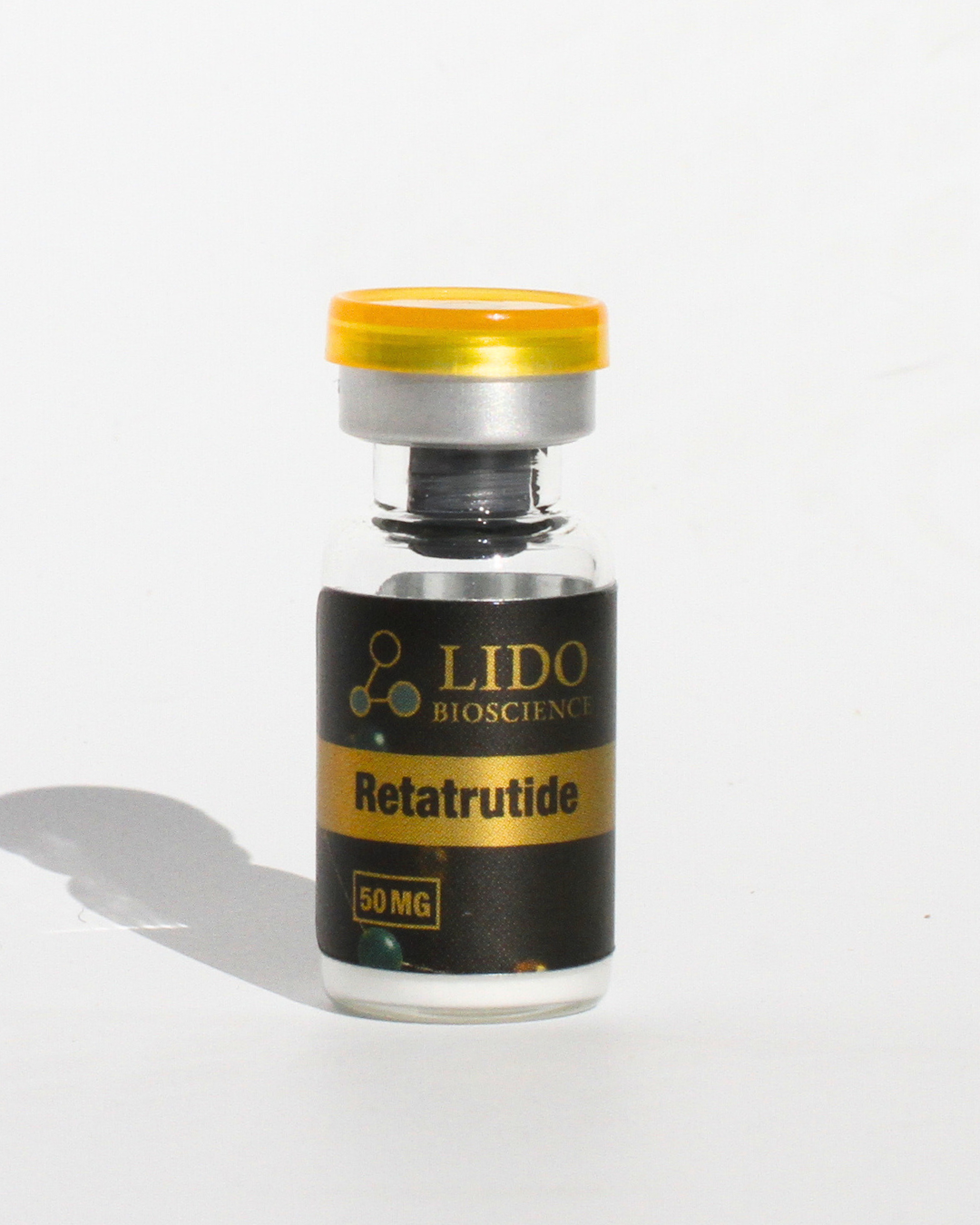
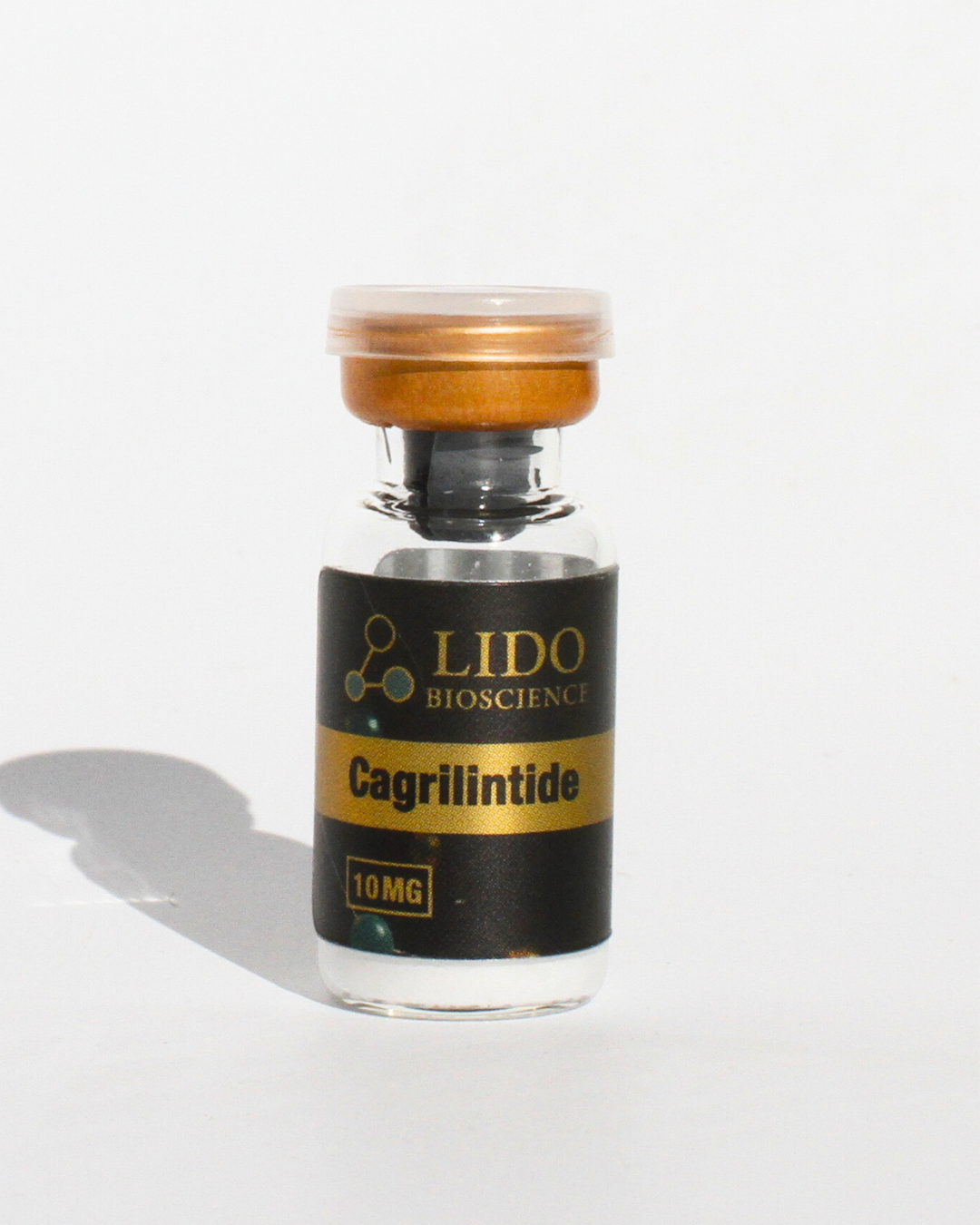
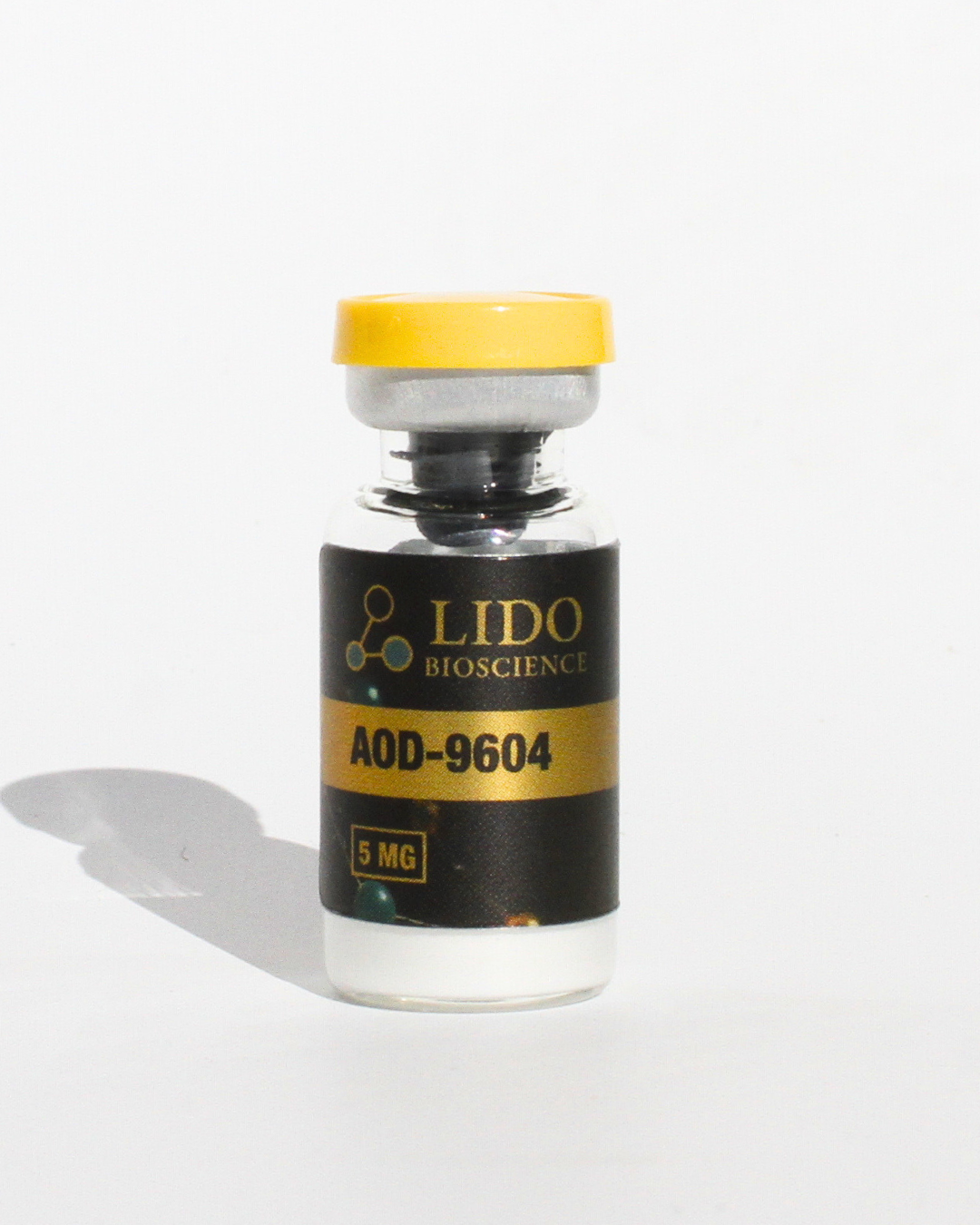
Lido BioScience supplies research-grade peptides, including GLP-1 related compounds, at 99 percent purity for laboratory and research purposes. Certificates of Analysis are available on request. Nothing in this article constitutes medical advice, and all compounds discussed remain research tools rather than approved treatments in the contexts described.