Diabetic wounds are one of the most stubborn problems in modern medicine. High blood sugar, low oxygen, and persistent bacterial infection can all gang up on the same piece of tissue, which is part of why these wounds can linger for months or even years. Researchers have been searching for materials that can tackle more than one of these obstacles at the same time.
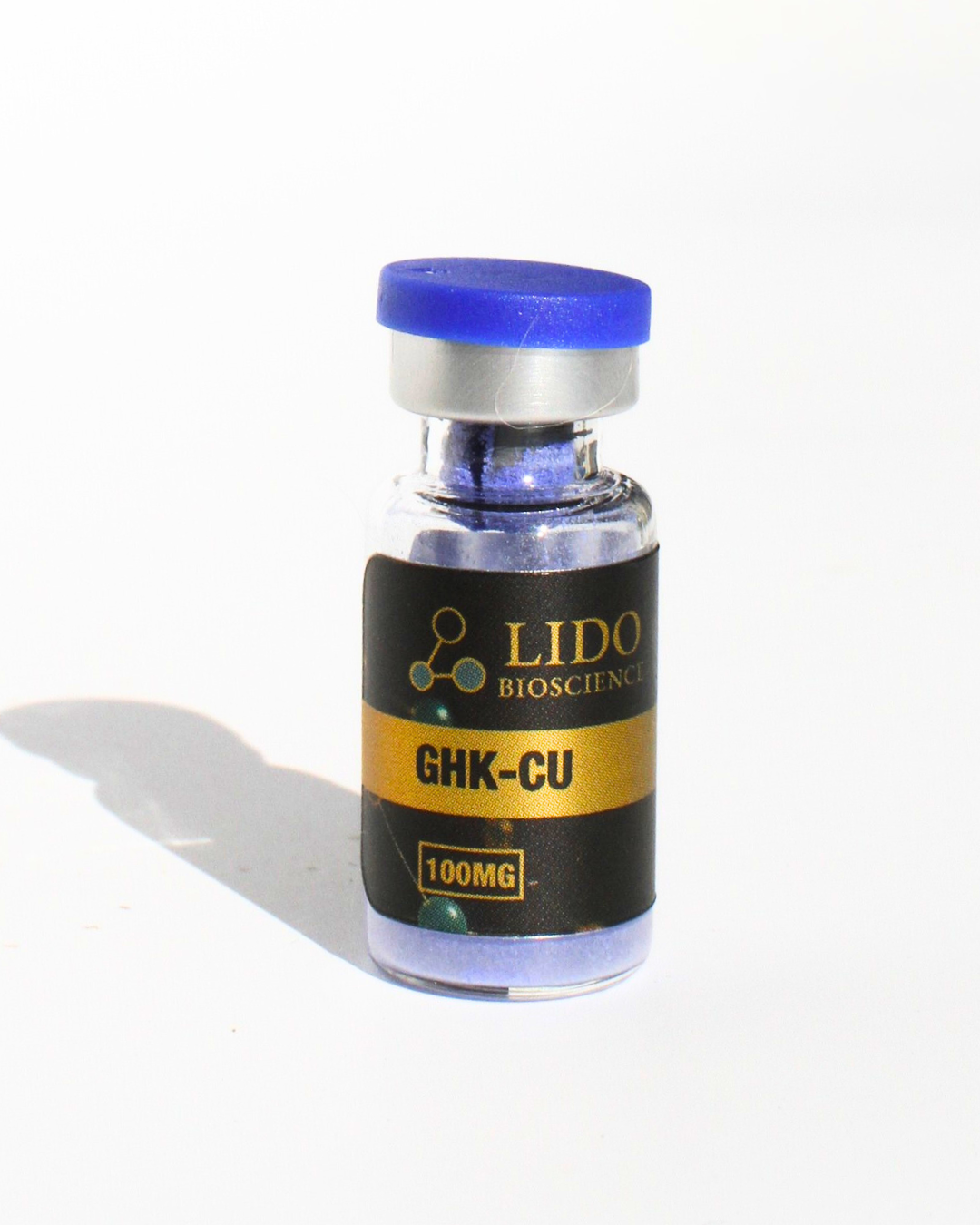
A recent study published in Materials Today Bio described one such attempt. The team designed a hydrogel that pairs a copper peptide known as GHK-Cu with an enzyme called glucose oxidase, or GOX. The idea was to create a chain reaction inside the wound where each step in the chemistry helps set up the next, addressing high glucose, oxygen shortage, and bacterial growth in a coordinated sequence.
The study is laboratory-stage work, not a human trial, but its findings offer an interesting window into how researchers are thinking about copper peptides and what they may be capable of when combined with other biological tools.
The problem with diabetic wounds
In a healthy wound, the body follows a fairly orderly sequence: it stops bleeding, clears bacteria, rebuilds tissue, and closes the skin. In a diabetic wound, several of those steps stall out. Excess glucose in the local tissue feeds bacteria, making infections harder to clear. At the same time, the healing process consumes oxygen faster than the blood supply can deliver it, leaving the wound in a hypoxic state where repair cells struggle to function.
Some researchers have explored what is called starvation therapy, the idea of deliberately breaking down local glucose so bacteria run out of nutrients. This avoids the problem of antibiotic resistance because it does not rely on a drug the bacteria can evolve to ignore. The downside, as the study authors note, is that oxidizing glucose burns through oxygen, making the hypoxia problem worse before it gets better. That trade-off is exactly what this hydrogel was designed to address.
The cascade reaction explained
The hydrogel works in two linked steps that the researchers describe as a cascade catalysis system. In the first step, the enzyme GOX breaks down glucose in the wound. This reaction does two things at once: it lowers the local concentration of sugar, which helps starve bacteria, and it produces hydrogen peroxide as a chemical byproduct.
Hydrogen peroxide at high concentrations is damaging to tissue. That is where GHK-Cu enters the picture. The copper ions within the peptide complex act as a catalyst that breaks hydrogen peroxide down further, mimicking an enzyme called catalase. This decomposition reaction releases oxygen directly into the wound environment. So instead of the glucose-oxidation step making hypoxia worse, the second step actively reverses it by regenerating a local oxygen supply.
The researchers describe this as a self-sustaining relay: the output of one reaction becomes the input for the next, and the final product is something the wound actually needs. Early data from the study suggests the hydrogel does carry out this full sequence when tested in laboratory conditions.
What GHK-Cu contributes beyond chemistry
GHK-Cu is a tripeptide, a very short protein fragment, that naturally contains a copper ion bound within its structure. It has been studied for some years in the context of skin biology, and the literature suggests it plays a role in signaling processes related to tissue remodeling and cellular repair.
In this study, GHK-Cu is doing double duty. Its copper ions drive the catalase-like chemistry described above, but the researchers also attribute several biological effects directly to the peptide itself. The study reports that the hydrogel showed antibacterial activity in testing, meaning it appeared to inhibit microbial growth beyond the glucose-depletion mechanism. The researchers also measured what they describe as antioxidant capacity, a reduction in the kinds of reactive molecules that cause collateral damage in inflamed tissue.
Additionally, the study noted effects on angiogenesis, which is the formation of new small blood vessels. New blood vessel growth is a critical step in wound healing because it restores the supply lines that deliver oxygen and nutrients to regenerating tissue. The researchers suggest that GHK-Cu's known biological activity contributes to this effect, though the exact signaling pathways were not fully characterized in this abstract.
Hydrogel as a delivery format
Delivering active compounds to a wound is not straightforward. A liquid solution drains away, a dry dressing may not make consistent contact, and many materials provoke inflammation on their own. Hydrogels have become a popular format in wound research because they hold moisture, conform to irregular surfaces, and can be engineered to release their contents gradually.
In this study the hydrogel serves as a matrix that holds both GOX and GHK-Cu in place within the wound environment. By keeping the two components co-localized, the researchers argue that the cascade reaction can proceed efficiently rather than relying on the two ingredients happening to diffuse near each other. The study reports that the combined system, described as Gel@GHK-Cu/GOX, performed better across their measured outcomes than individual components tested in isolation, which is consistent with the cascade logic the team proposed.
Limitations and the road to clinical use
This research is at an early stage. The experiments described in the abstract appear to be cell-culture and possibly small-animal model work, which is standard for materials-science studies of this kind. Laboratory results do not automatically translate into human outcomes, and the gap between a promising hydrogel and an approved wound treatment involves extensive safety testing, formulation refinement, and clinical trials.
The study does not claim that GHK-Cu alone, without the GOX enzyme or the hydrogel matrix, would produce the same combined effects. The mechanism described depends on all components working together in a specific physical arrangement. Readers should treat these findings as early mechanistic evidence that the approach is worth exploring further, not as a confirmed therapy.
The authors describe their work as providing novel insights for addressing clinical challenges in refractory diabetic wound healing, language that places the findings firmly in the research-and-discovery category rather than the ready-to-use category.
Why this research matters for peptide science
One of the recurring questions in peptide research is whether short peptide fragments can do meaningful biological work beyond simply acting as signaling molecules. This study suggests that in the case of GHK-Cu, the answer may extend into inorganic chemistry as well. The copper ion in the peptide is not just a structural feature; the study treats it as an active catalytic site that performs specific chemistry useful in a therapeutic context.
This dual role, biological signaling combined with metal-ion catalysis, is relatively unusual in peptide research and may point toward broader strategies for designing multi-functional biomaterials. Early data points at GHK-Cu as a peptide that brings more than one mechanism to the table, which is part of what makes this study notable even at an early stage of development.