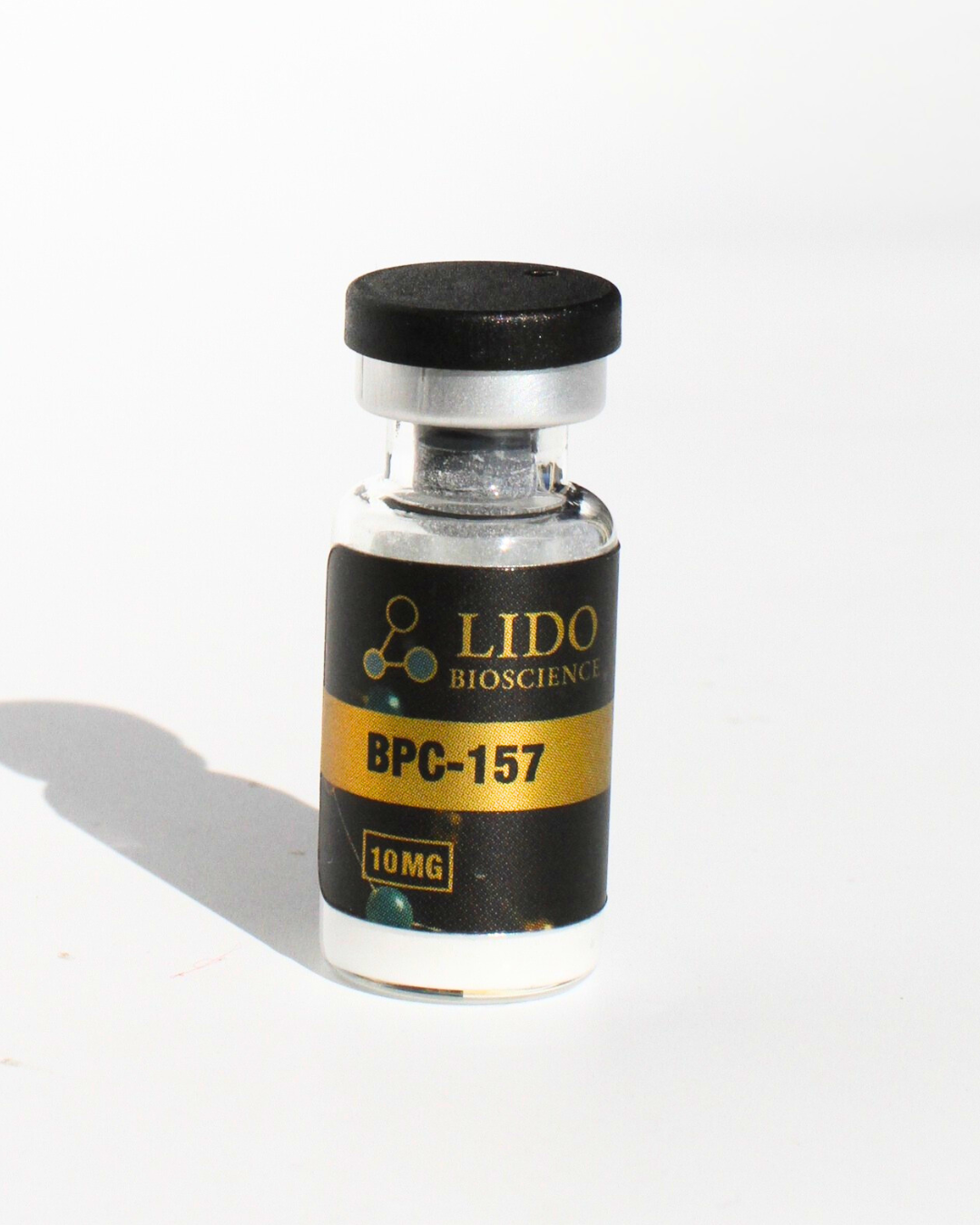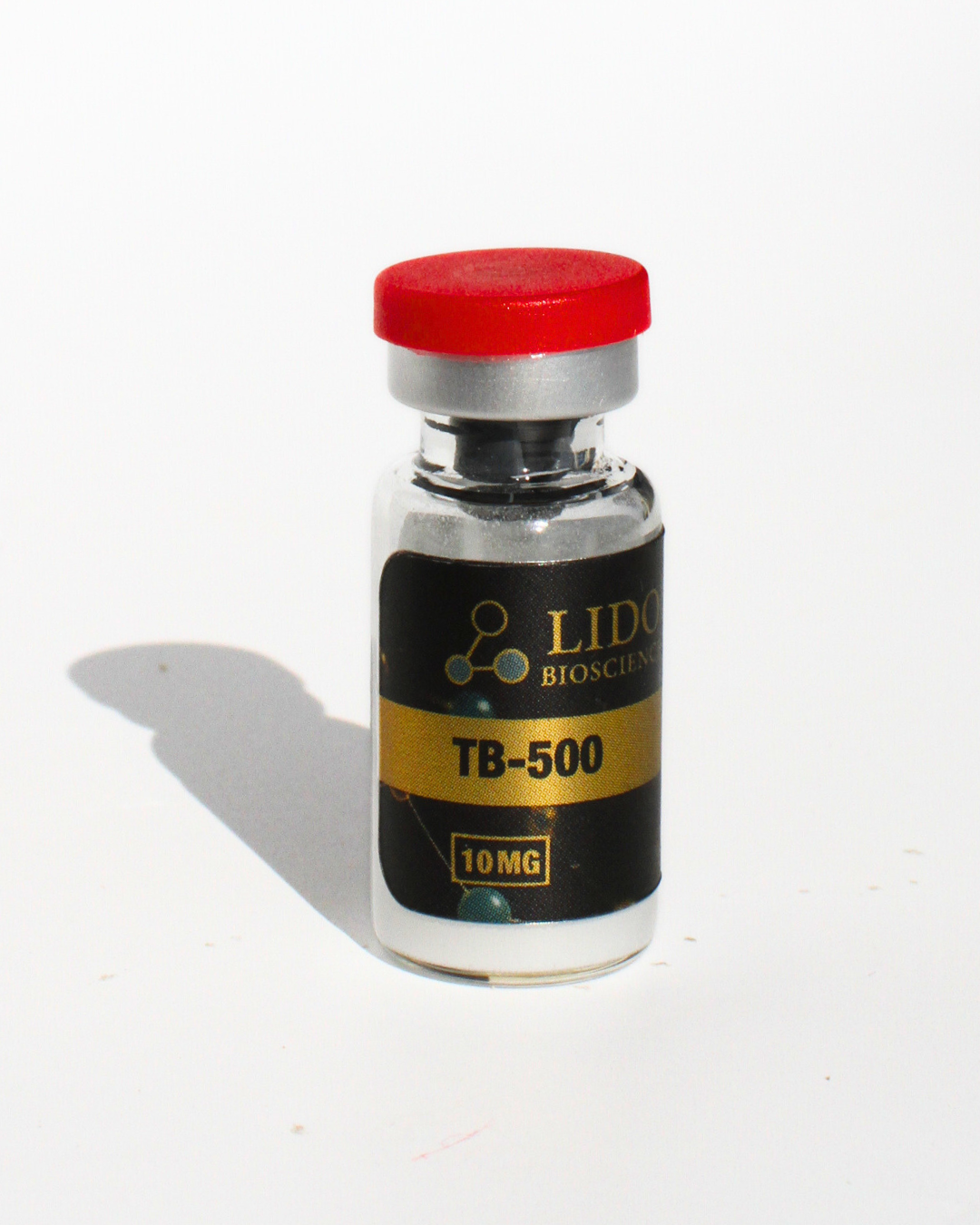
BPC-157 and TB-500 are the two research peptides most often discussed in connective-tissue and wound-healing research. The temptation when comparing them is to ask which one is "better." The answer the literature actually supports is that they target different parts of the same multi-stage repair process, and the cleanest comparison is mechanism-first rather than outcome-first.
This article walks through both molecules side by side and explains why most research protocols use them together rather than picking one.
Origin and structure
BPC-157 is a 15-amino-acid synthetic peptide. The sequence comes from a fragment of body protection compound, a larger protein originally isolated from human gastric juice. The fragment retains most of the biological activity of the parent and is stable in stomach acid.
TB-500 is a 17-amino-acid synthetic version of an active fragment of thymosin beta-4, a 43-amino-acid protein present in most mammalian tissues. The fragment is the actin-binding domain of the parent, which is the structural feature that drives most of the mechanism.
Mechanism: where they diverge
BPC-157 acts on the vascular response to injury. Animal-model studies report upregulation of VEGFR2 expression at injury sites, which drives new blood-vessel formation, and modulation of the nitric-oxide system that fits the observed vascular effects. The peptide also has documented effects on growth-factor signaling and on the gut barrier.
TB-500 acts on cell migration. The actin-binding domain sequesters and releases actin in ways that support cell movement into damaged tissue. Faster cell migration means faster repopulation of the wound site, which in animal models correlates with accelerated repair.
These are different stages of the same process. New blood vessels need to form before damaged tissue can be repaired, and cells need to migrate into the damaged area before they can do the repair work. Targeting both stages with separate molecules is a different research strategy than picking one.
Half-life and dosing pattern
BPC-157 has a half-life of around four hours after subcutaneous injection in animal studies. Most research protocols use once or twice daily dosing through the acute injury window.
TB-500 has a longer functional half-life because the downstream cell-migration effects persist past the peptide's presence in circulation. Most protocols use a twice-weekly loading phase followed by a weekly maintenance phase, with total durations measured in weeks rather than days.
The different dosing patterns are part of why combination protocols are easy to design: BPC-157 sits on a daily schedule, TB-500 sits on a weekly schedule, and the two do not interfere with each other.
Route of administration
Both peptides are typically administered subcutaneously. Intramuscular routes have been studied but show no clear advantage. Oral routes have been explored for BPC-157 specifically (the parent molecule is stable in gastric juice), but the systemic bioavailability data is limited.
For research purposes, subcutaneous is the standard for both.
Research applications: where each one is strongest
BPC-157 has the deepest publication record in tendon and ligament injury models, gastrointestinal ulcer and inflammatory bowel models, and traumatic brain injury models. The gut applications are particularly well-documented because the parent protein originated in gastric tissue.
TB-500 has the deepest publication record in wound healing, cardiac tissue recovery, and skin and corneal repair models. The actin-binding mechanism is most relevant where cell migration is the limiting factor in repair.
Researchers studying a complete connective-tissue injury (where both new blood vessels and cell migration matter) typically use both.
Why they are stacked
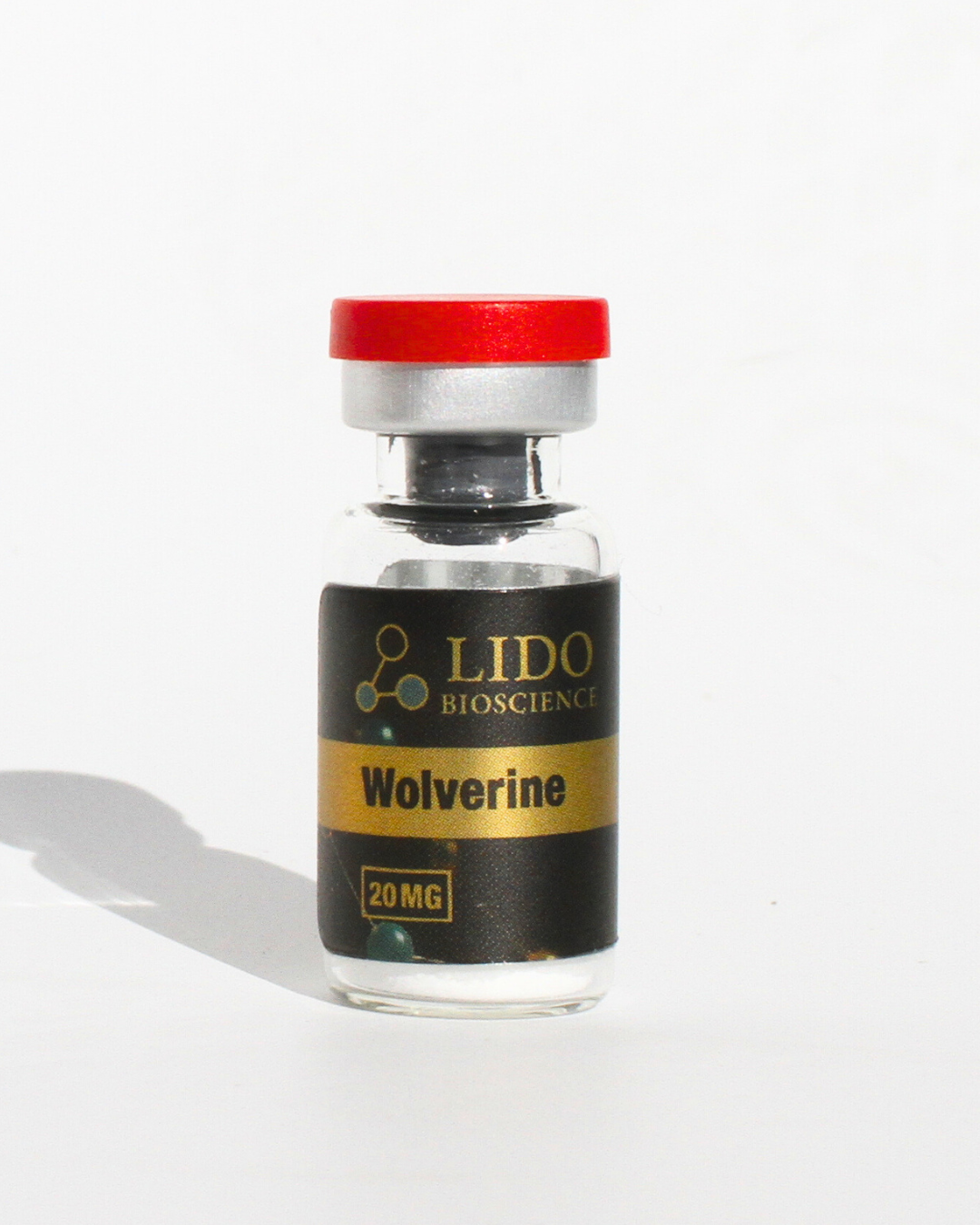
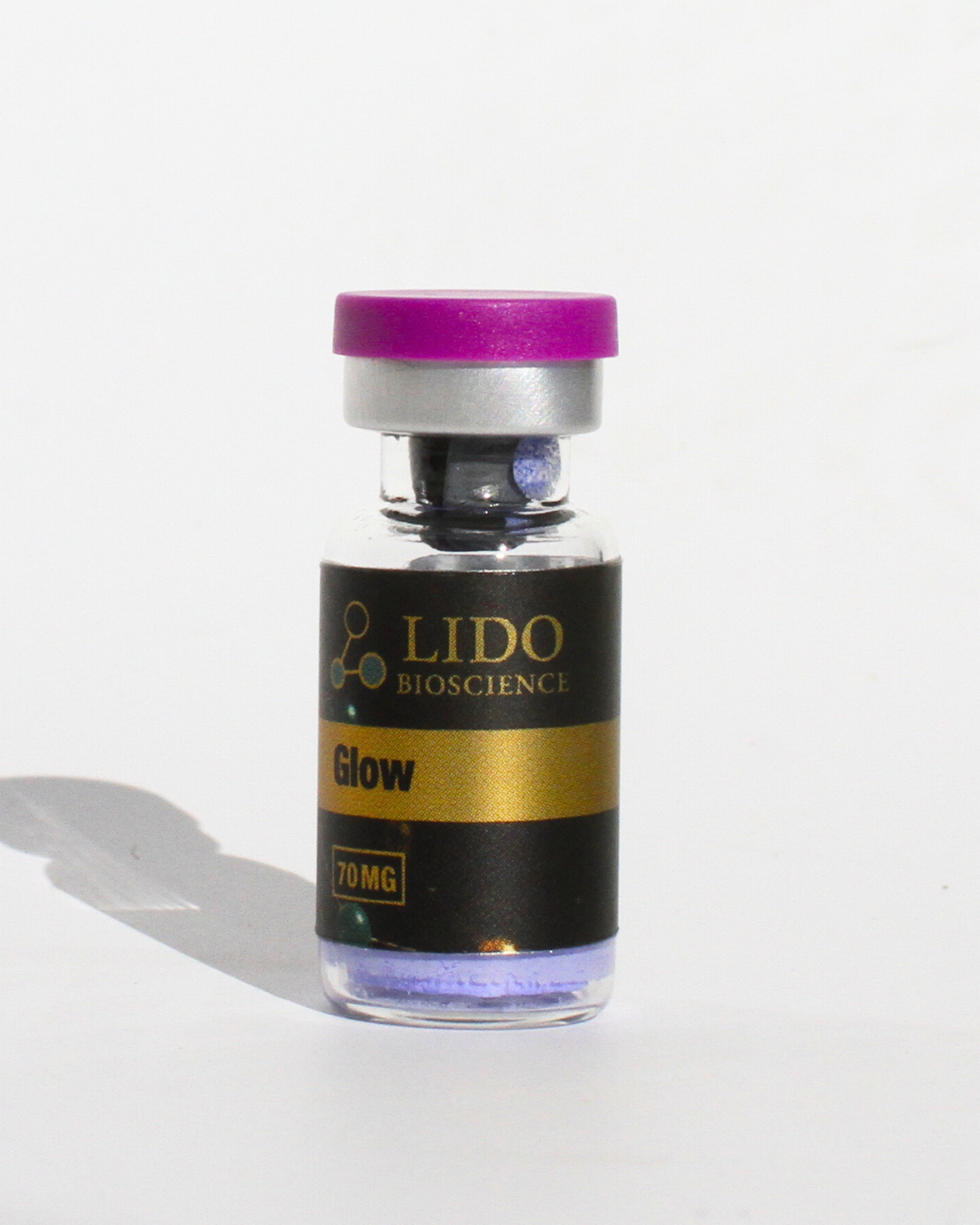
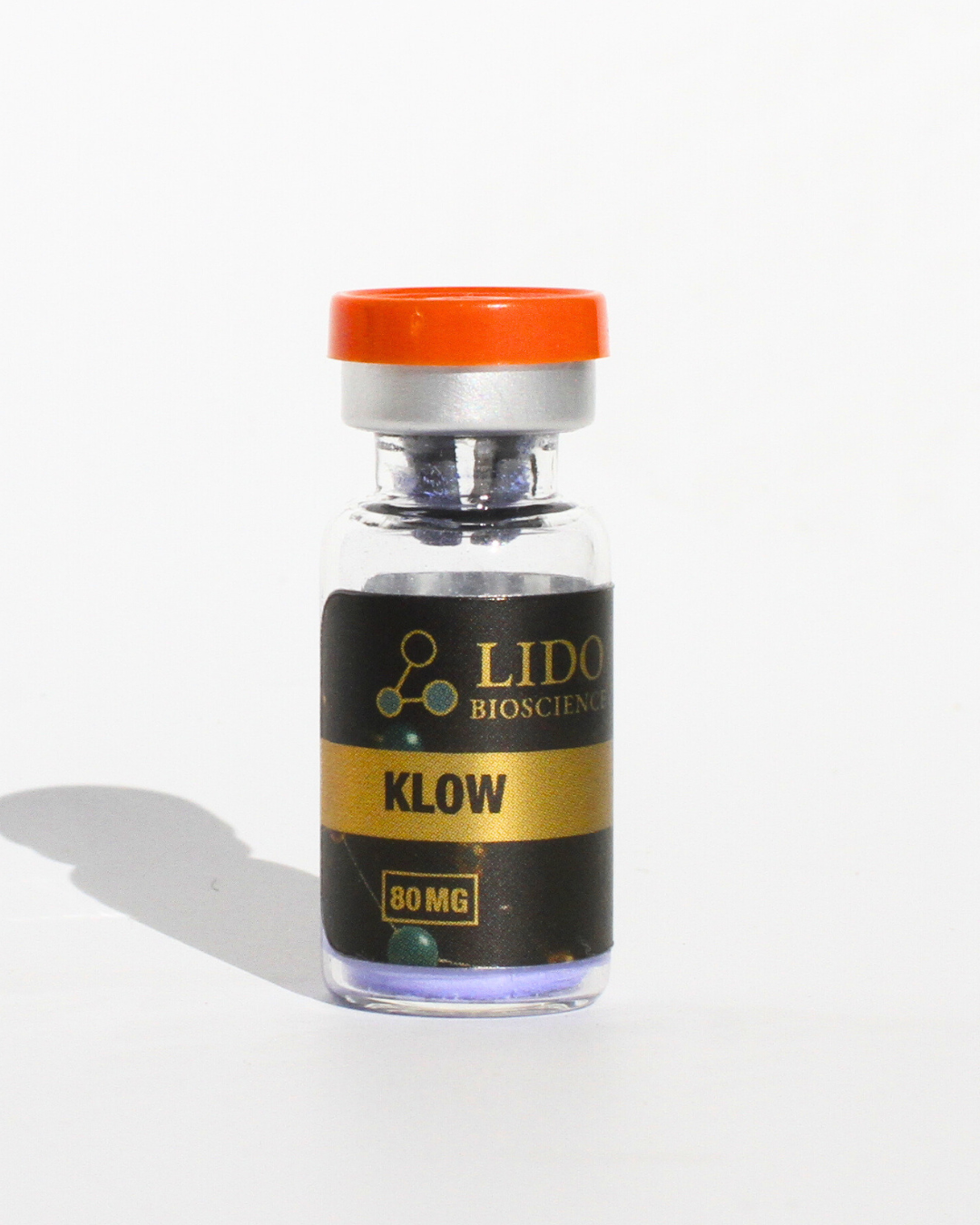
The Lido BioScience catalog lists each as a standalone vial and combines them in three blends:
Wolverine combines BPC-157 and TB-500 as a focused two-peptide research blend.
Glow combines BPC-157 + TB-500 + GHK-Cu, adding a copper-binding peptide that supports collagen synthesis.
KLOW combines BPC-157 + TB-500 + GHK-Cu + KPV, adding a fourth peptide focused on mucosal anti-inflammatory effects.
Each blend targets a different scope of the repair process. The choice between them is a question of which mechanisms the research protocol needs to cover.
A note on framing
Both peptides are sold by Lido BioScience as research compounds. Animal-model data is consistent across both molecules but human data is limited and largely uncontrolled. If you are evaluating either for any clinical situation, a physician should weigh in.