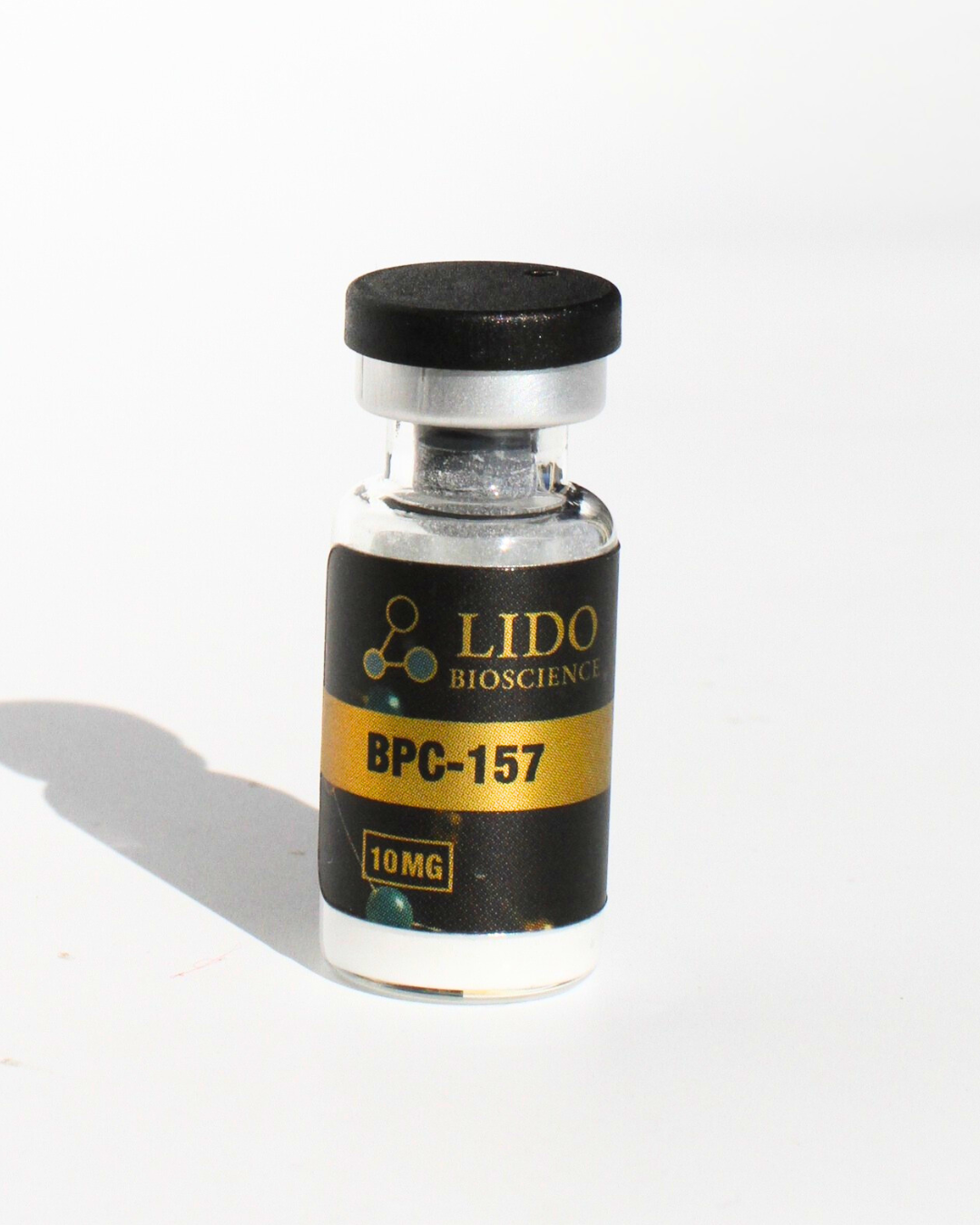
BPC-157 is a synthetic peptide consisting of 15 amino acids. The sequence is taken from a longer protein, body protection compound, that was originally isolated from human gastric juice. The fragment turned out to be biologically active on its own, and over the past two decades it has become one of the most-cited research peptides in studies of tissue repair, gut barrier function, and joint and tendon recovery.
This guide summarizes what the literature suggests about its mechanism, what the animal-model studies look at, and where it sits relative to other recovery peptides in the Lido BioScience catalog.
Origin and structure
The parent molecule, body protection compound, was characterized in the early 1990s as a factor in gastric juice that appeared to protect the stomach lining from damage. Researchers fragmented the molecule and screened the pieces, and the 15-amino-acid sequence that became known as BPC-157 retained most of the activity of the parent.
Unlike most peptides, BPC-157 is stable in stomach acid, which is part of why animal studies have explored both oral and injectable routes. The molecule is also small enough that researchers can produce it through standard solid-phase peptide synthesis at scale.
Proposed mechanisms in the literature
The mechanism is not a single pathway. Published research points at several converging effects.
First, BPC-157 appears to upregulate growth-factor receptors at injury sites. Studies in animal models of tendon and ligament injury show increased expression of VEGFR2 in injured tissue compared to controls, with corresponding increases in blood-vessel formation. The growth-factor signal seems to amplify rather than initiate repair: BPC-157 does not appear to trigger repair where no injury exists.
Second, the peptide modulates the nitric-oxide system. Animal studies report changes in both endothelial and inducible nitric oxide synthase activity after dosing, which fits with the vascular effects observed at injury sites.
Third, the peptide has documented effects on the gut. Studies in animal models of inflammatory bowel disease, gastric ulcer, and intestinal anastomosis show improved barrier integrity and faster recovery compared to controls. The gut-axis effects may be partially mediated through vagal pathways, which would connect the peripheral effects to central nervous system signaling.
What the research has looked at
The most-cited applications in the published literature are tendon and ligament injury models, gastrointestinal ulcer and inflammatory bowel models, traumatic brain injury models, and peripheral nerve injury models. Findings across these areas are reasonably consistent: BPC-157 dosing tends to accelerate recovery and reduce structural damage compared to controls.
Important caveats: most of the published work is in rodent models. Human data is limited and largely uncontrolled. Dose ranges, routes of administration, and timing protocols vary widely across studies, which makes direct comparison difficult.
Adjacent recovery peptides
BPC-157 is often discussed alongside three other recovery-oriented peptides in the literature.
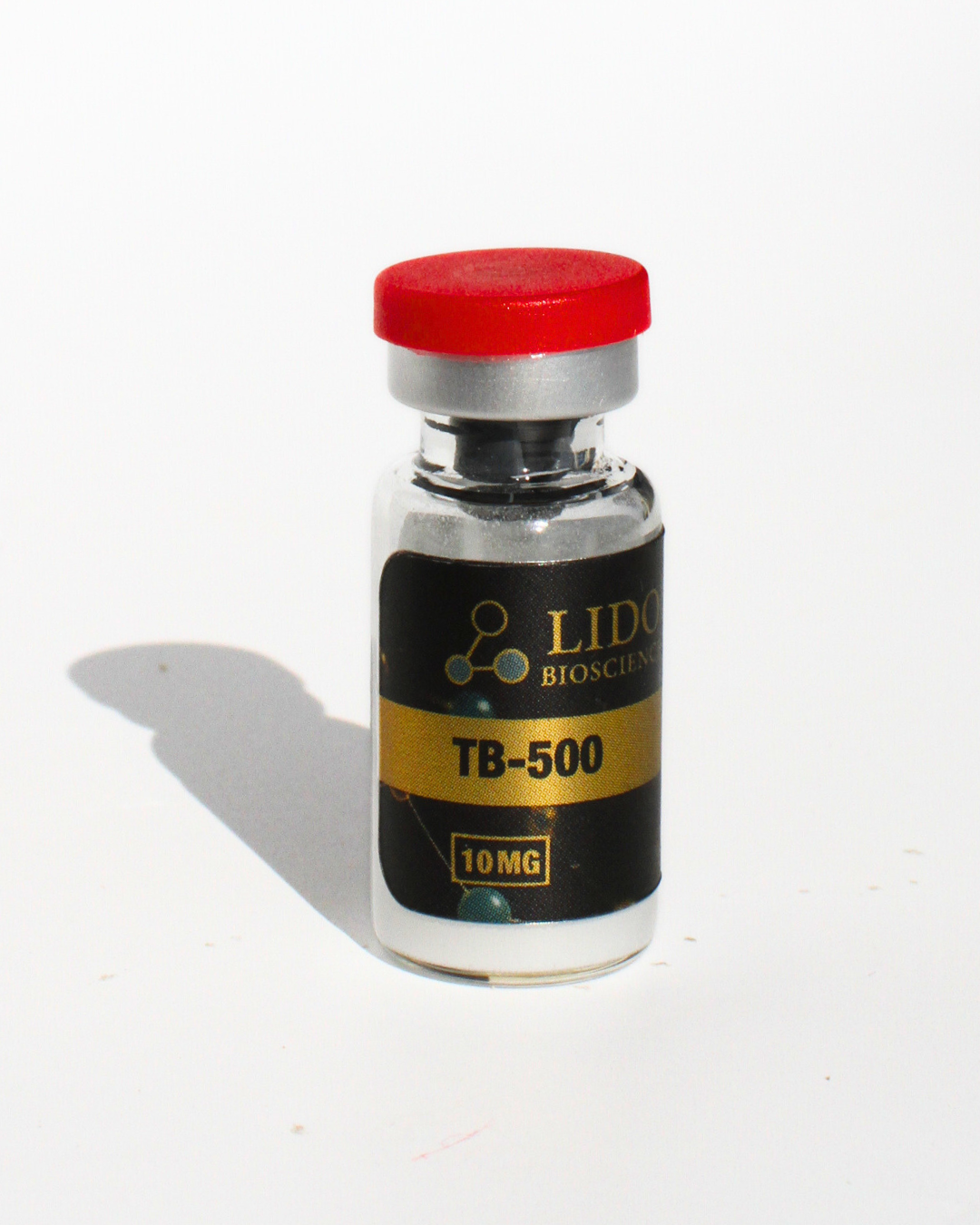
TB-500, a synthetic fragment of thymosin beta-4, is also studied for tendon and ligament repair. The mechanism is different: TB-500 binds actin and is thought to support cell migration into damaged tissue. The two peptides target different stages of repair and are sometimes studied in combination.
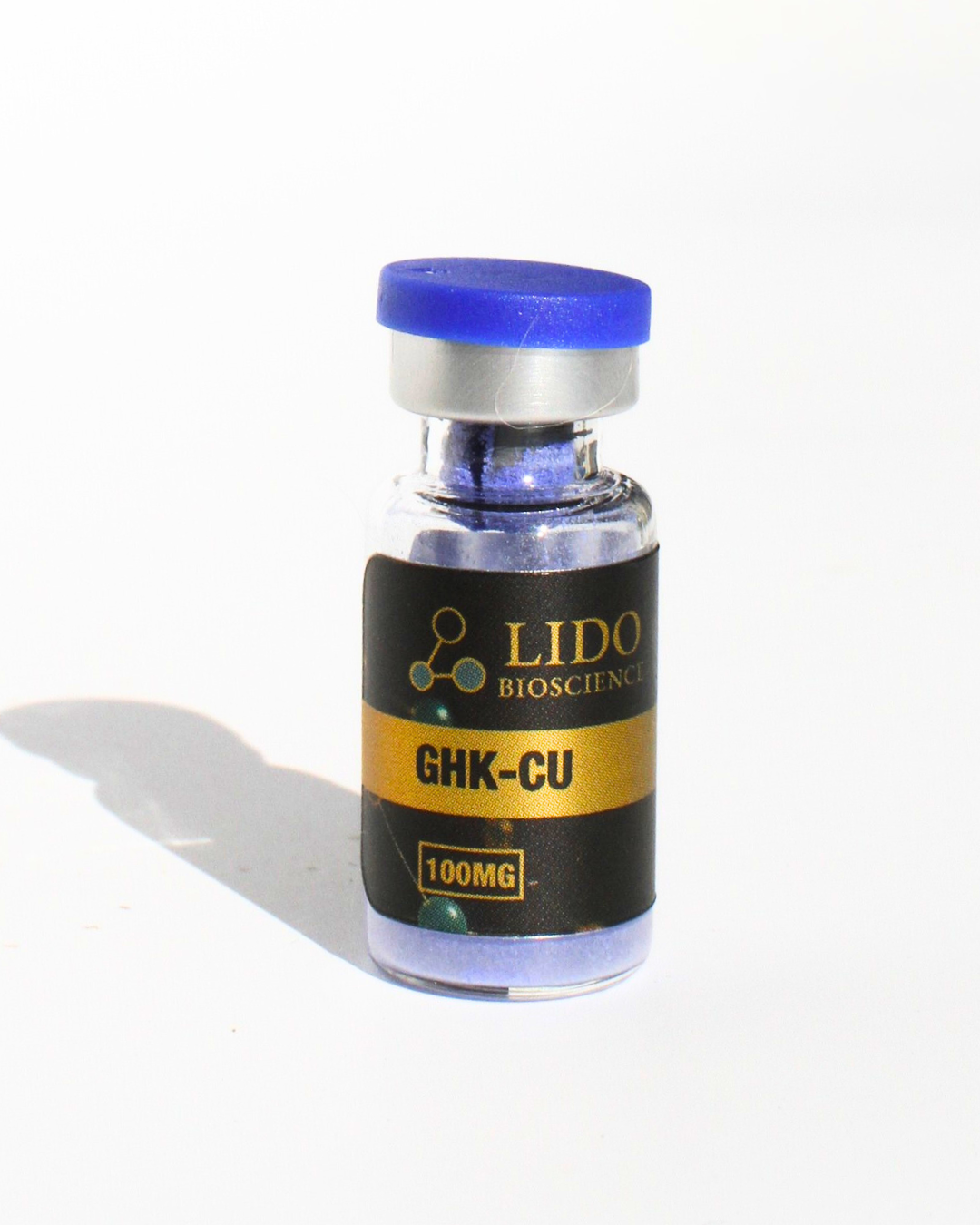
GHK-Cu is a copper-binding tripeptide originally characterized in plasma. The literature points at effects on collagen synthesis, wound healing, and inflammation, with a different mechanism profile from BPC-157.
KPV is an even shorter peptide, derived from the C-terminal fragment of alpha-melanocyte-stimulating hormone, and is studied for its anti-inflammatory effects, particularly in gut and skin tissue.
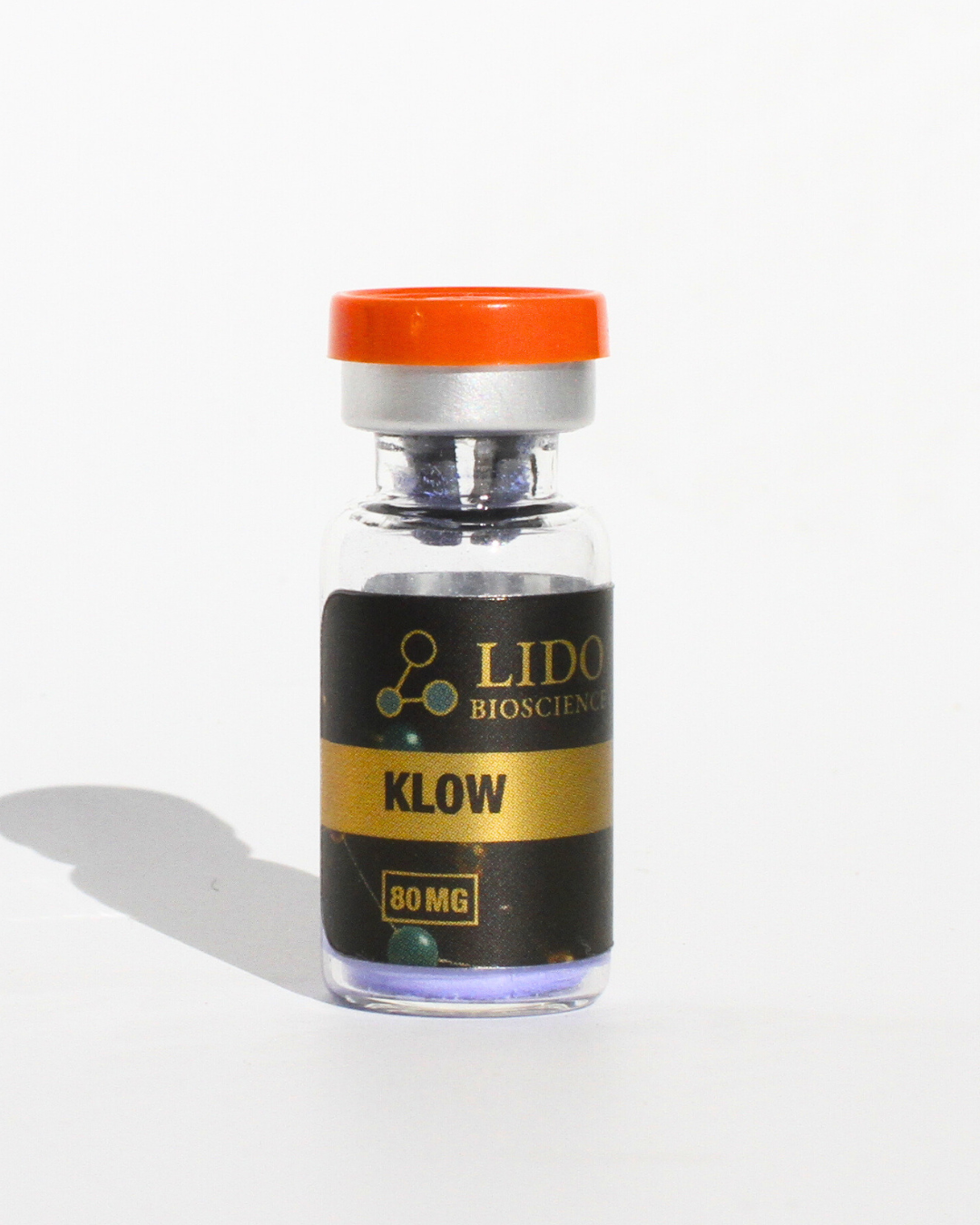
The Lido BioScience catalog lists each of these as an individual compound, and the KLOW blend combines BPC-157, GHK-Cu, TB-500, and KPV in a single vial as a recovery-oriented research stack.
Open questions in the literature
Human pharmacokinetics are still poorly characterized. Oral bioavailability, half-life, and tissue distribution are inferred from rodent models. Long-term safety data is limited. Optimal dosing windows for specific injury types are not established outside of animal studies.
If you are evaluating BPC-157 in any human context, the data limits matter. A physician should weigh in.