When researchers want to know whether a specific peptide is present in a blood sample, they face a practical problem. Many existing lab methods require several preparation steps, each adding time, labor, and cost. A paper published in The Analyst describes a streamlined approach that collapses those steps into one, allowing scientists to screen for 54 different compounds across three types of blood samples at the same time.
The work focuses on doping-control science, a field that tracks prohibited substances in competitive sport. But the underlying chemistry and stability data are broadly relevant to anyone curious about how peptides behave once they leave the body and enter a collection tube or a dried spot on filter paper.
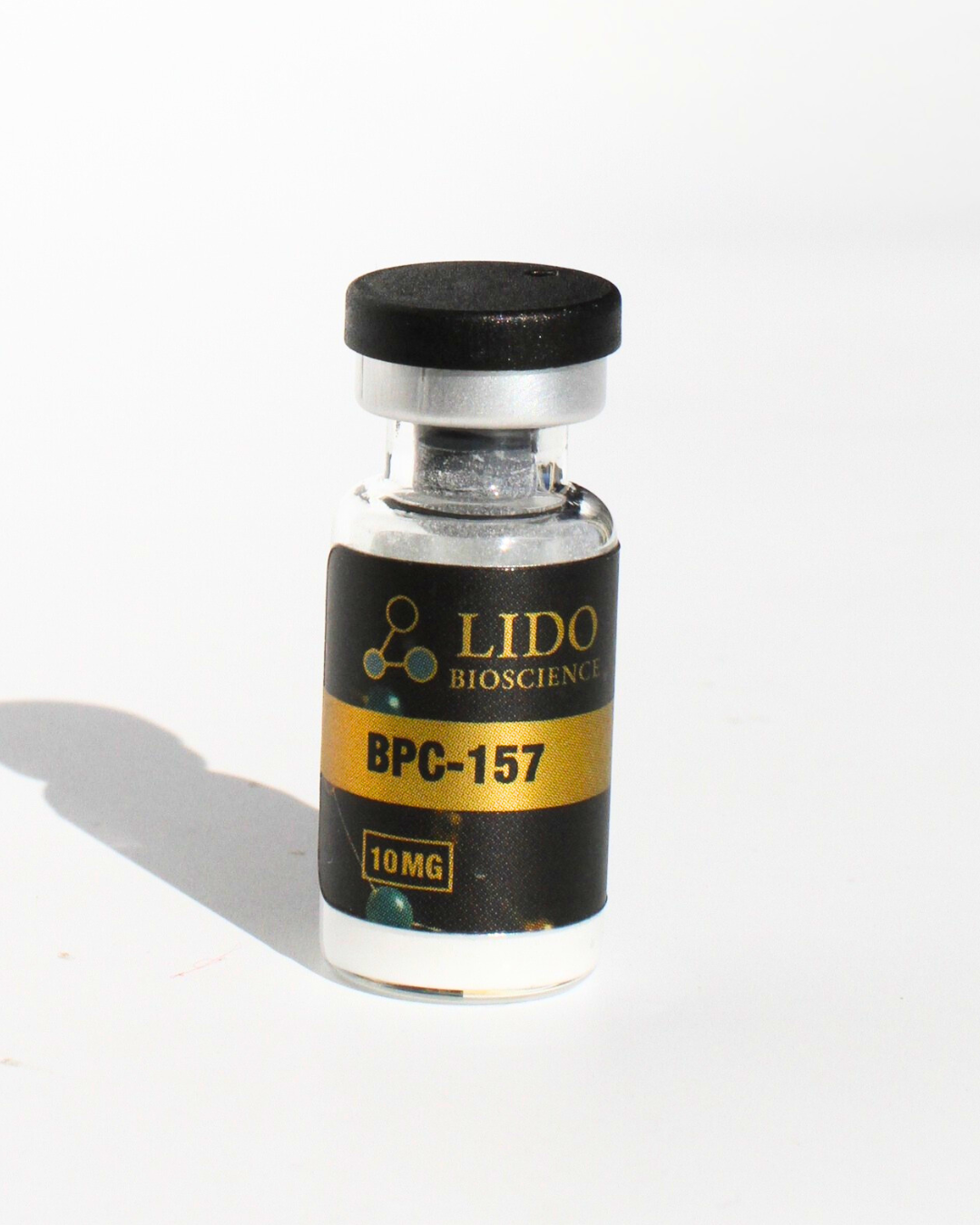
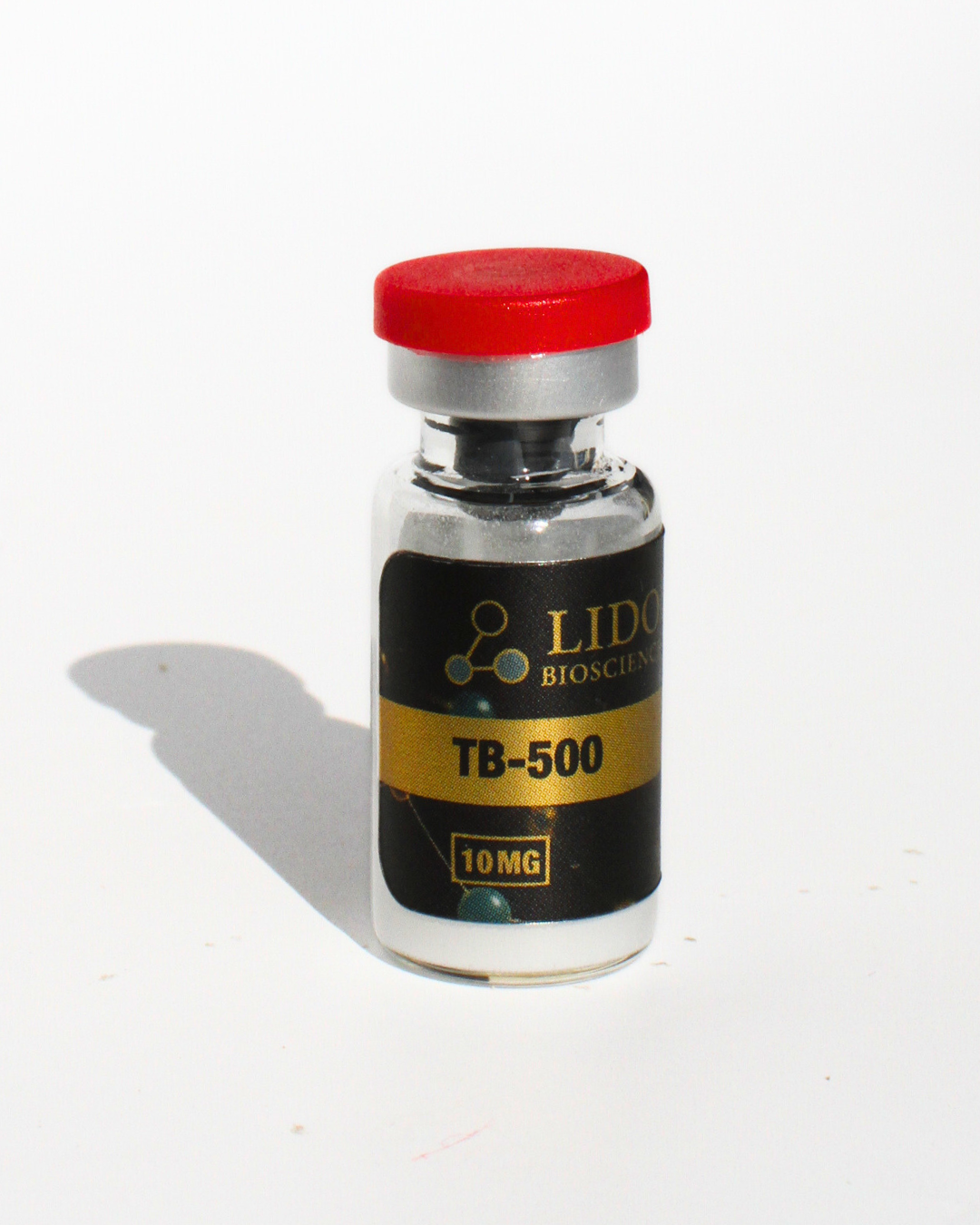
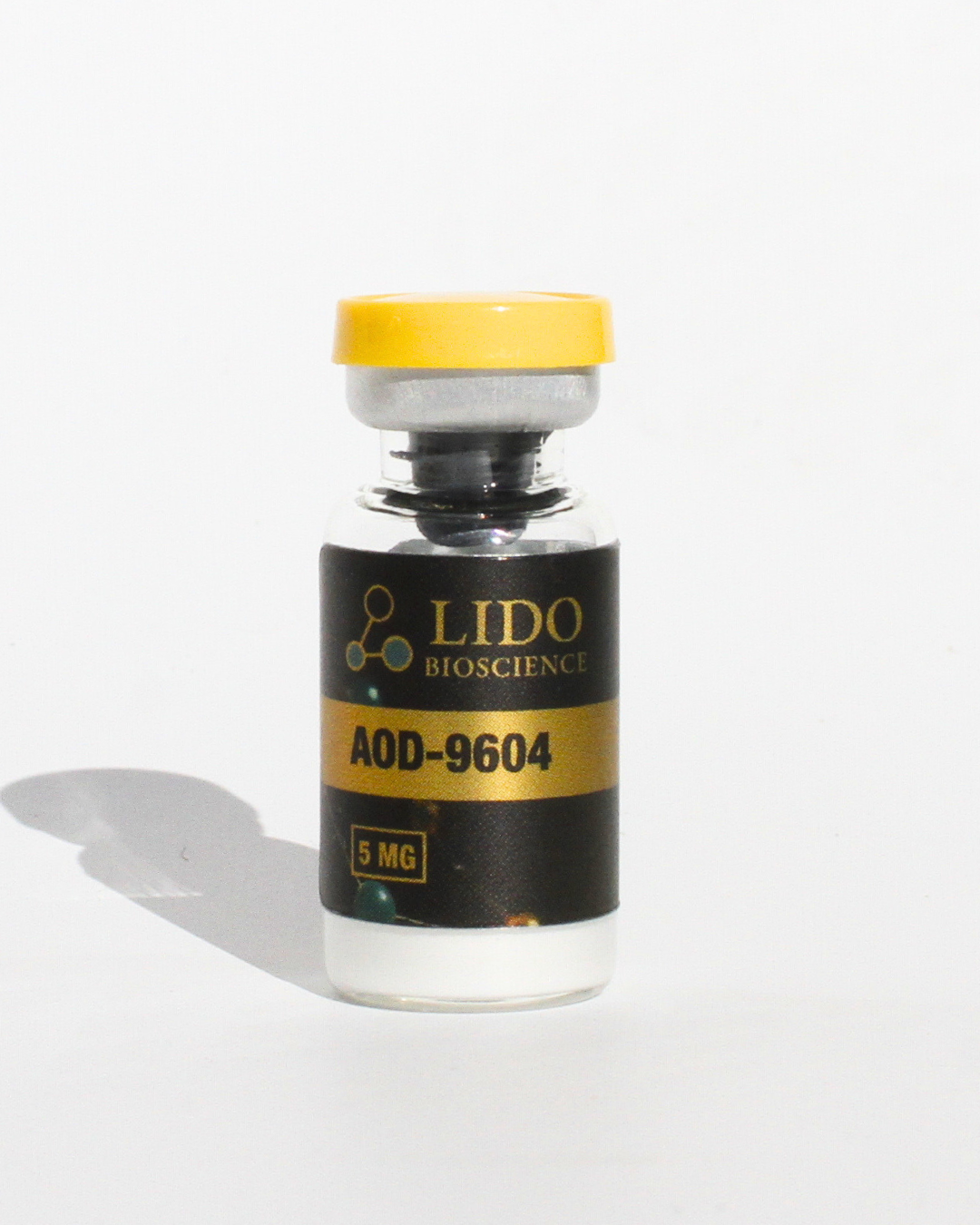
Among the compounds the team examined were several that appear frequently in research literature, including BPC-157, TB-500, and AOD-9604. The paper documents how long those peptides survive under different storage conditions, which turns out to vary quite a bit depending on whether the sample is liquid or dried.
The single-extraction approach
Traditional methods for finding small peptides in dried blood spots often chain together multiple preparation stages, each one introducing the chance of losing material or adding contamination. The workflow described in this paper uses a single microextraction step. Researchers add 500 microliters of a methanol and water mixture, in an eight-to-two ratio by volume, to the sample. That one step pulls the target compounds out of the matrix so they can be measured.
After extraction, the samples move through a liquid chromatography system coupled to high-resolution mass spectrometry. That combination first separates compounds by how they travel through a chemical column, then identifies them by their precise molecular weight. Because mass spectrometry can distinguish molecules that differ by tiny fractions of a mass unit, it is well suited to detecting peptides at very low concentrations.
Validation performance
The team ran a formal validation of the method, testing several analytical properties. Selectivity was clean, meaning no interfering signals appeared at the time points where target compounds were expected to show up. Detection limits ranged from 0.05 to 1.25 nanograms per milliliter, which is well below the concentrations typically observed in real samples from sporting events.
Carry-over, the risk that traces of a positive sample contaminate the next one in the instrument queue, was not detected. The matrix effect, which describes how biological material in the sample can suppress or amplify the signal, fell between 5 and 33 percent. Extraction yield, the fraction of each compound successfully pulled from the sample, ranged from 15 to 80 percent depending on the analyte. Processed extracts remained stable for at least 72 hours when kept at 10 degrees Celsius in the autosampler, giving labs a reasonable window to complete analysis.
The researchers applied the method to real samples containing sub-nanogram levels of ibutamoren, a growth hormone secretagogue. The method successfully detected it, confirming that the sensitivity is sufficient for practical doping-control work.
Stability in liquid versus dried matrices
One of the more practically useful sections of the paper covers what happens to peptides over time under different storage conditions. At minus 20 degrees Celsius, all 54 compounds remained stable for at least two months in dried blood spots, serum, and plasma alike. Variation in measured concentration stayed below 15 percent, which the researchers treated as acceptable.
The picture changes at warmer temperatures. At 4 degrees Celsius and at room temperature (22 degrees Celsius), several peptides degraded substantially within one week in liquid matrices. Alexamorelin, AOD-9604, buserelin, the growth hormone fragment hGH 176-191, kisspeptin-10, and LHRH were extensively broken down in both serum and plasma at those temperatures. A second group that included BPC-157, TB-500, vasopressin, lypressin, and terlipressin showed complete degradation, but only in serum, not in plasma.
Dried blood spots told a different story. Across all temperature conditions studied, every compound remained detectable throughout the entire observation period. The researchers concluded that drying blood onto filter paper before shipping or storing could eliminate the need for cold-chain logistics, reducing both cost and complexity.
Why BPC-157 and TB-500 behave differently in serum versus plasma
The divergence between serum and plasma for BPC-157 and TB-500 is worth pausing on. Serum is what remains after blood clots and the clot is removed, while plasma retains anticoagulant proteins because clotting is prevented during collection. The presence of clotting factors and activated enzymes in serum appears to accelerate the breakdown of certain peptides that plasma preserves better.
This has practical implications for research sample collection. If a laboratory intends to measure BPC-157 or TB-500 in a liquid blood sample and cannot guarantee cold storage during transit, plasma collected with an anticoagulant may provide more reliable results than serum. Drying the sample onto filter paper, however, appears to sidestep that issue entirely for both peptides.
Scope of the compound panel
The 54-compound panel spans a wide range of chemical structures. Some are short peptide chains of just a few amino acids. Others are larger, more complex molecules. Including both peptidic and non-peptidic substances in a single harmonized workflow is notable because those two classes often require different extraction chemistry. Combining them reduces the number of separate tests a laboratory has to run on each sample.
The paper is positioned within the anti-doping literature, but the analytical approach it describes is a general tool for measuring peptides in blood. Any research context that requires detecting trace amounts of peptides across multiple sample types could draw on this kind of methodology.
Implications for peptide research more broadly
The literature on peptide pharmacokinetics often relies on blood sampling, and sample handling can introduce large errors if stability is not accounted for. This paper quantifies degradation rates for a specific set of peptides across realistic storage scenarios, which provides a reference point for researchers designing collection protocols.
The finding that dried blood spots preserve compounds that liquid serum degrades within days is particularly relevant for studies conducted outside well-equipped clinical settings. Field collection sites, remote locations, or resource-limited labs could use dried spot collection to maintain sample integrity without specialized cold-chain equipment.
Early data from this kind of analytical validation work also tends to inform how future research protocols are designed, particularly around timing between sample collection and processing. The stability window of at least two months at minus 20 degrees in dried matrices gives substantial flexibility compared to the one-week limit observed for several peptides in liquid serum at refrigerator temperature.