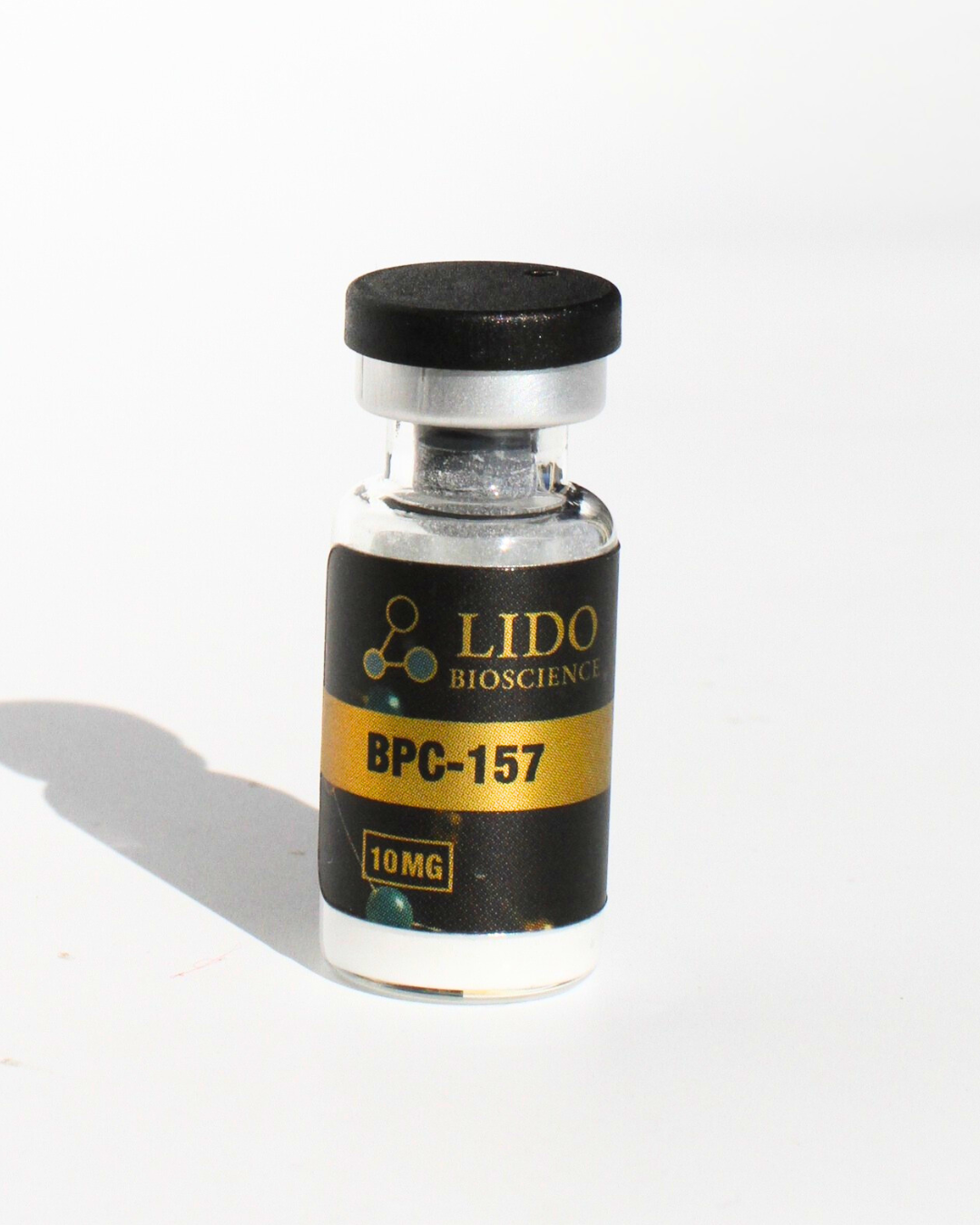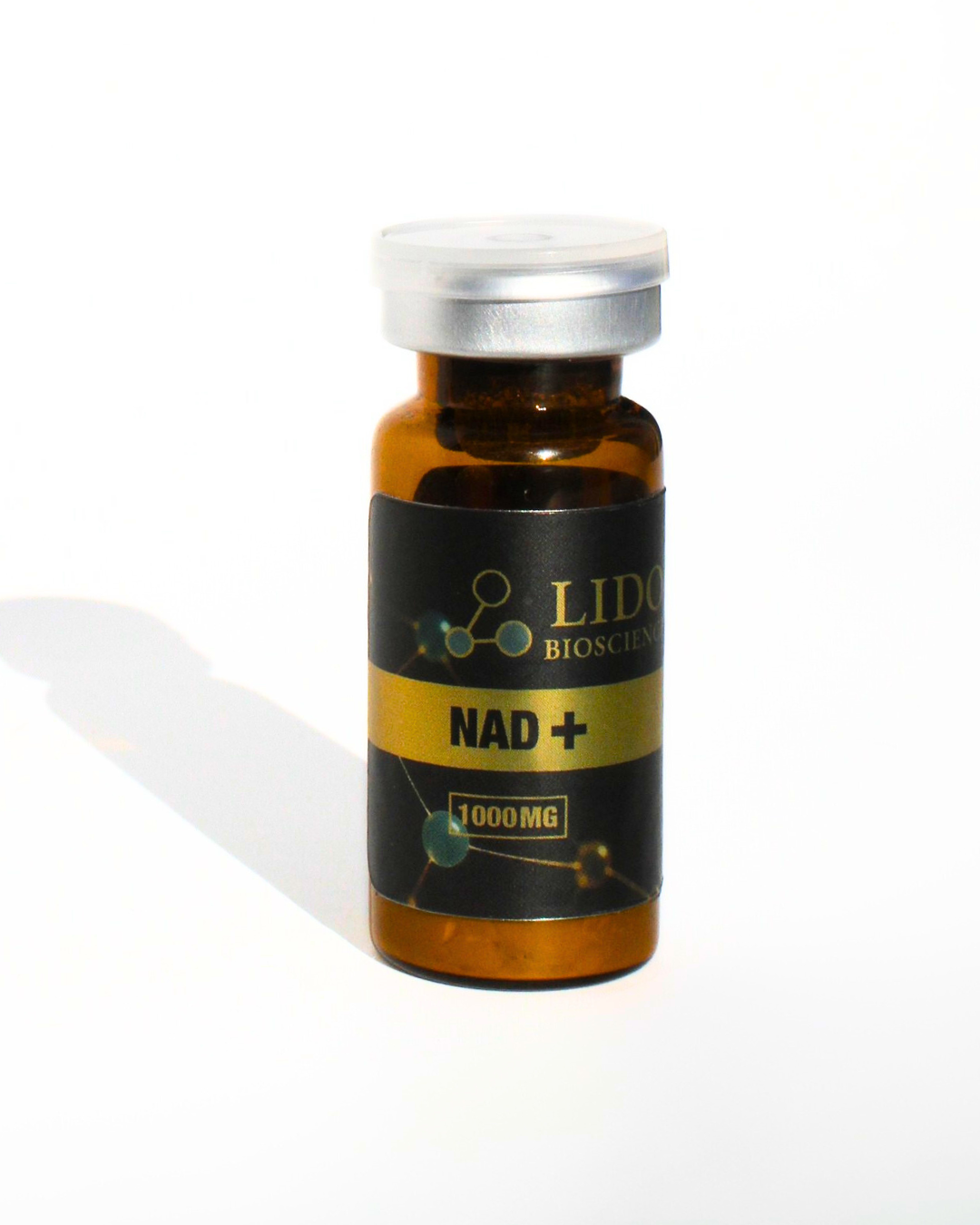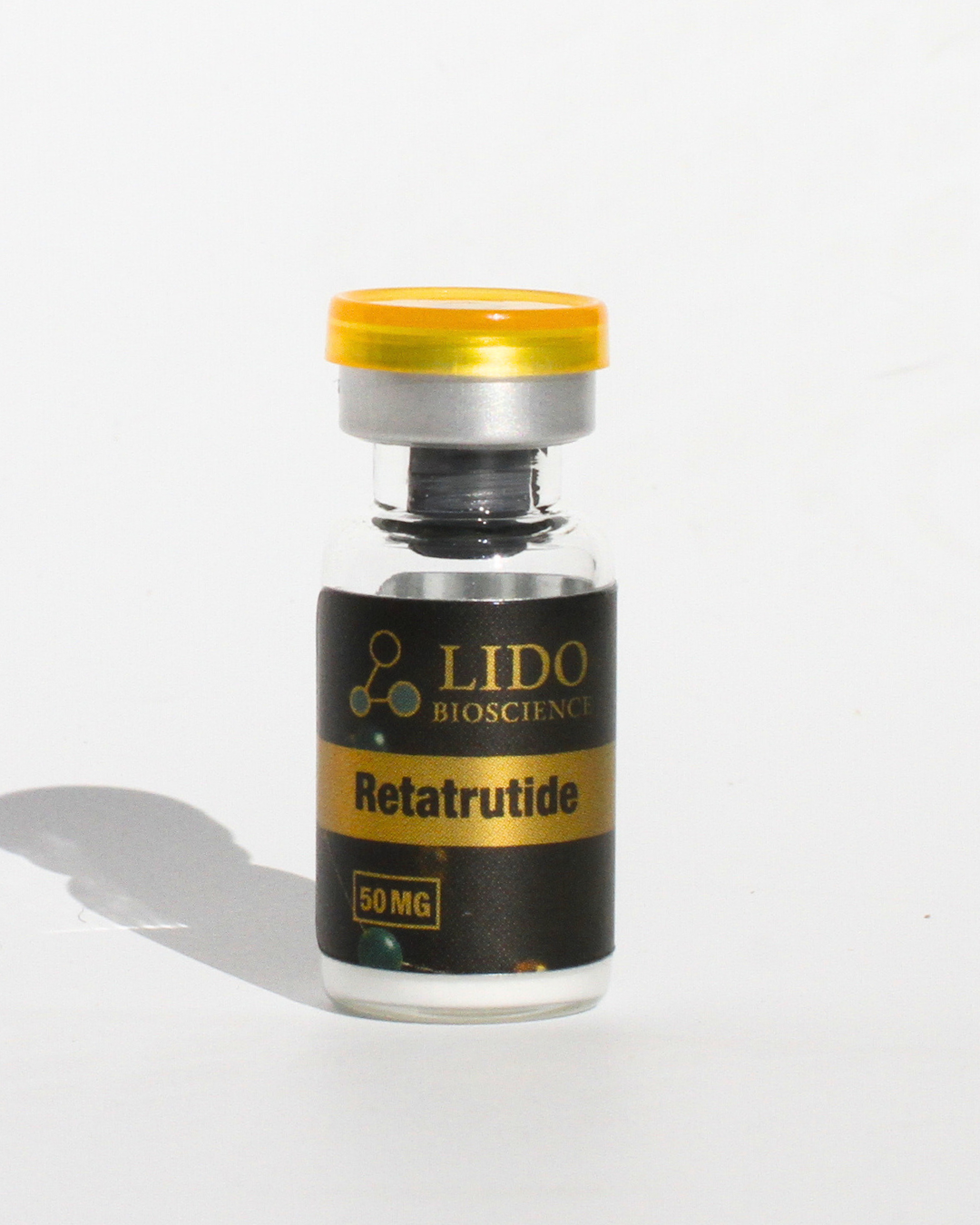
Research peptides ship as a freeze-dried, or lyophilized, powder inside a sealed glass vial. The powder is stable at room temperature for days and at refrigeration temperature for one to two years for most sequences. Reconstitution with water turns the powder into a solution that researchers can dose, measure, and store.
This guide covers what kind of water to use, how to do the math, and how to store the reconstituted vial.
Sterile water versus bacteriostatic water
Sterile water is exactly what it sounds like: water that has been filtered or autoclaved to remove all living microorganisms, with no other additives. Bacteriostatic water is sterile water with a small amount of benzyl alcohol added as a preservative, typically 0.9 percent.
The benzyl alcohol does not kill bacteria, but it does inhibit bacterial growth, which means a reconstituted vial of peptide remains usable for weeks rather than for a single use. For most research peptide work, bacteriostatic water is the standard choice because it extends shelf life after reconstitution.
Two exceptions: some peptides are incompatible with benzyl alcohol, in which case the COA or product page will specify sterile water. And single-use reconstitutions, where the entire vial will be used immediately, can use either.
The reconstitution math
The math is simple but worth doing explicitly. Concentration equals mass divided by volume.
A 10mg vial of peptide reconstituted with 1mL of bacteriostatic water gives a concentration of 10mg/mL. A 10mg vial with 2mL gives 5mg/mL. A 5mg vial with 1mL gives 5mg/mL.
The volume you choose depends on how precisely you need to dose. Most research protocols use insulin syringes graduated in 1-unit increments, where 100 units equals 1mL. A 10mg vial with 1mL gives 10mg/mL, so each unit on the syringe is 0.1mg, or 100 micrograms. A 10mg vial with 2mL gives each unit as 0.05mg, or 50 micrograms, which is finer-grained.
Choose volume based on dose size: smaller doses benefit from more dilute concentrations because the syringe marks are easier to read.
How to add the water
Lyophilized peptide is light and fluffy. Squirting water into the vial at high speed can foam the peptide, which damages the molecule by breaking peptide bonds at the air-water interface.
Standard technique: tilt the vial at an angle, insert the needle through the rubber stopper, and inject the water slowly down the inside wall of the vial. Let the water flow over the powder rather than spraying onto it.
After the water is in, swirl the vial gently. Do not shake. Shaking creates the same foaming problem as injecting water too fast. Most peptides dissolve within a minute or two of gentle swirling. If a peptide takes longer, the COA or product page will usually note it.
Storage after reconstitution
Reconstituted peptides are stored in the refrigerator, typically at 2 to 8 degrees Celsius. The benzyl alcohol in bacteriostatic water inhibits microbial growth, but stability of the peptide itself decreases with time in solution.
Most peptides remain stable for two to four weeks at refrigeration temperature once reconstituted. Some sensitive sequences are shorter. Freezing is an option for longer-term storage but introduces freeze-thaw stress that can degrade the molecule. As a rule, reconstitute only what you plan to use within the next month.
Keep the vial upright and away from light. Most research peptides are not particularly photosensitive, but reduced light exposure is good practice.
When to discard
A reconstituted vial that becomes cloudy, develops a film, or shows visible particulates should be discarded. Color changes from clear to yellow or pink can also indicate degradation depending on the peptide.
A vial that has been at room temperature for more than a few hours should be discarded. The benzyl alcohol slows microbial growth but does not prevent it indefinitely at room temperature.